Church End
In one of northwest London’s most deprived neighbourhoods, the local high street is under pressure to support not just the local economy, but well-being, social cohesion and housing growth.


In 2020, Church End hit the headlines as one of the neighbourhoods worst impacted by the first wave of the coronavirus pandemic. This acute health crisis emerged from long-standing local deprivation. Even now, Church End residents experience some of the lowest levels of income and employment in the country, alongside poor access to housing and health services. Many recently arrived refugees are here, and struggle to find the support they need. Meanwhile, young people experience serious safety challenges, as the town centre straddles a disputed boundary between gang territories.
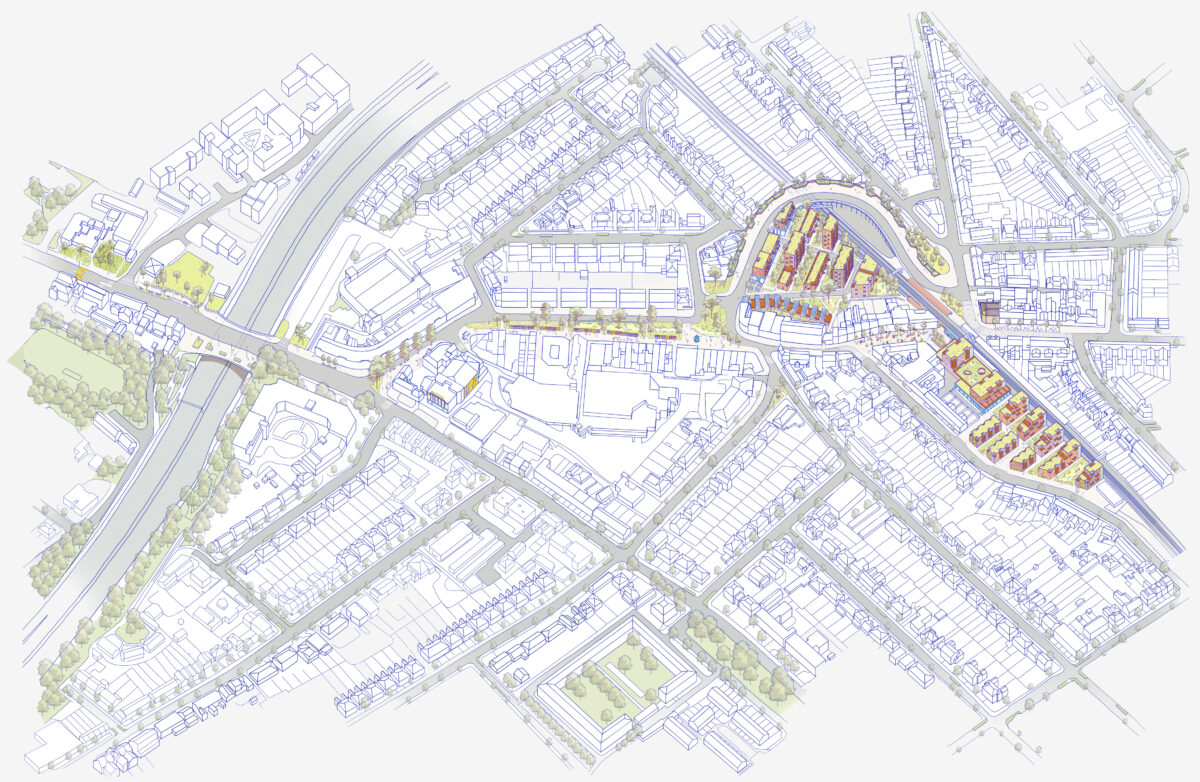
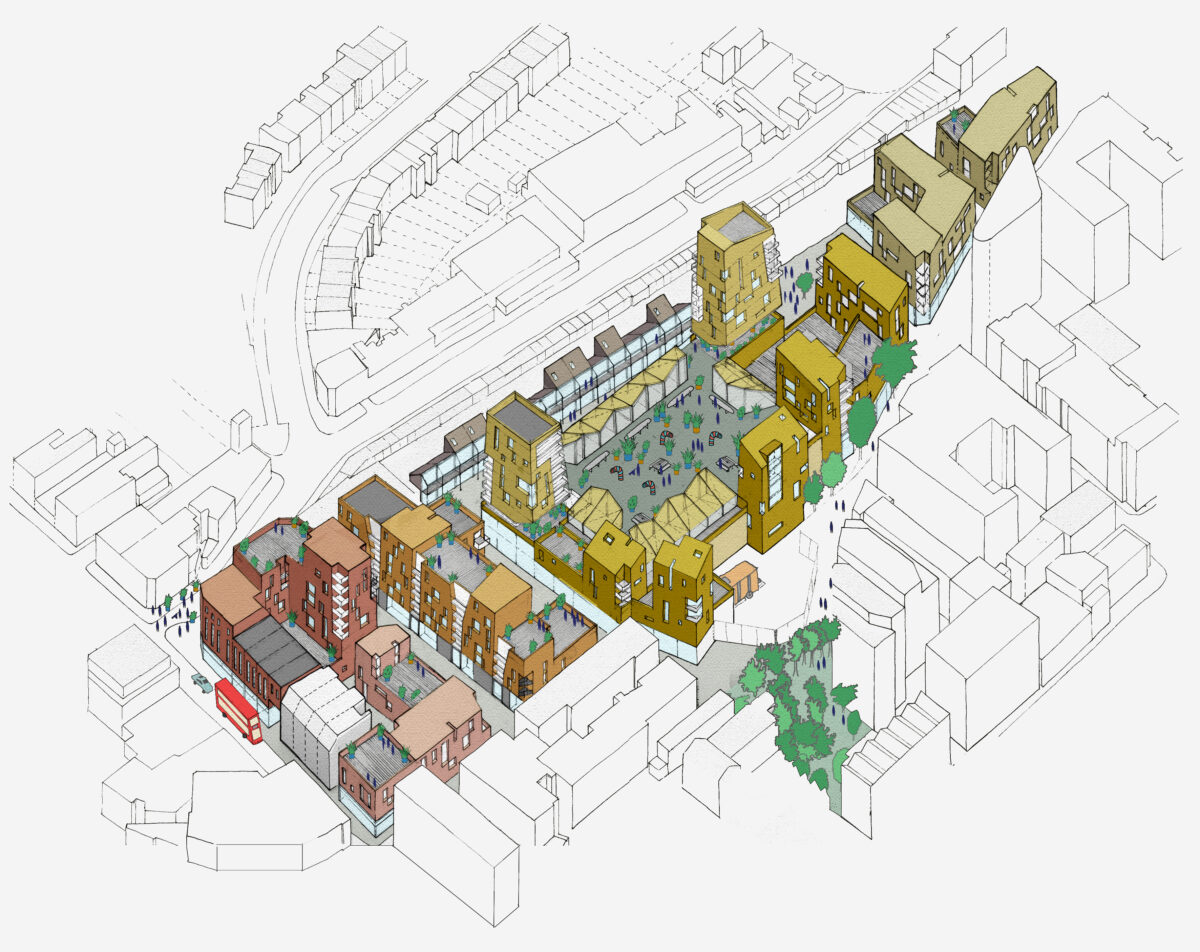
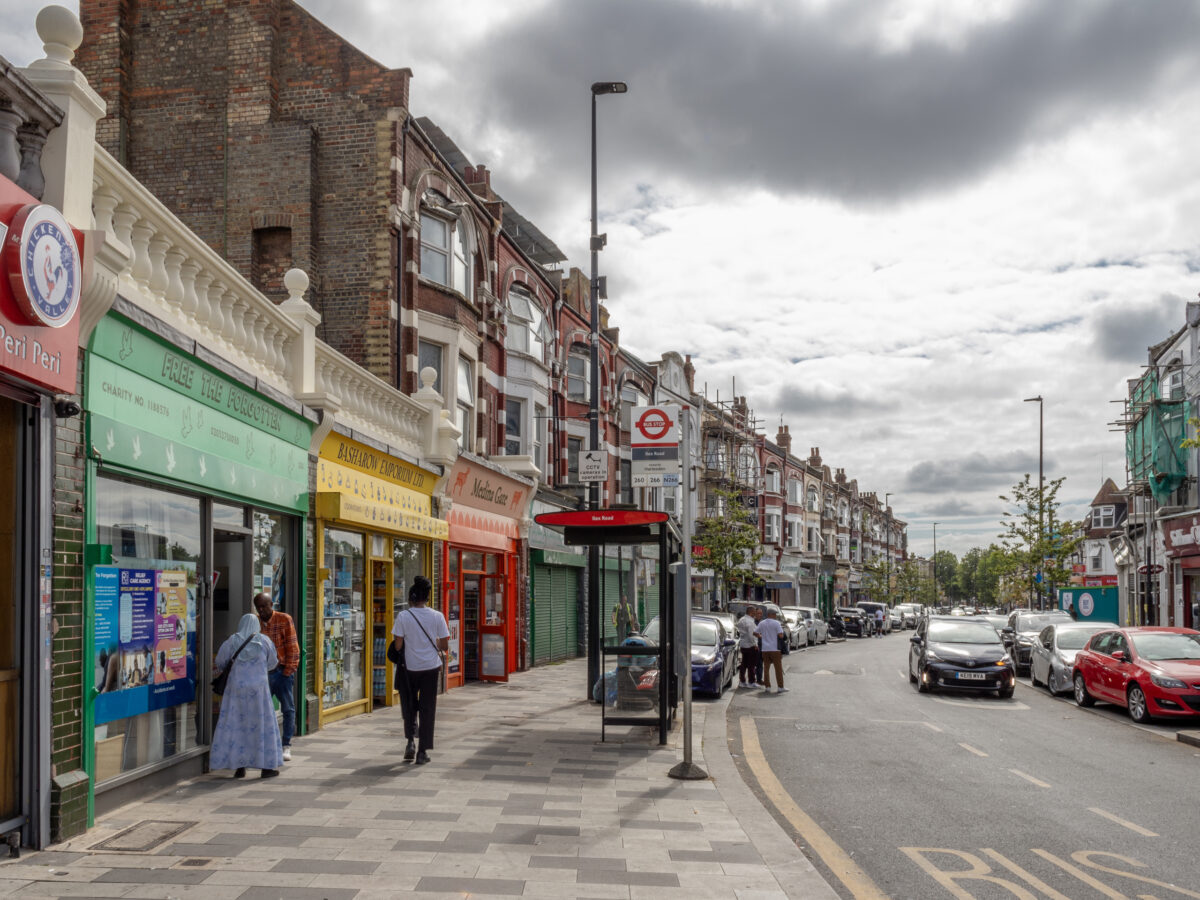
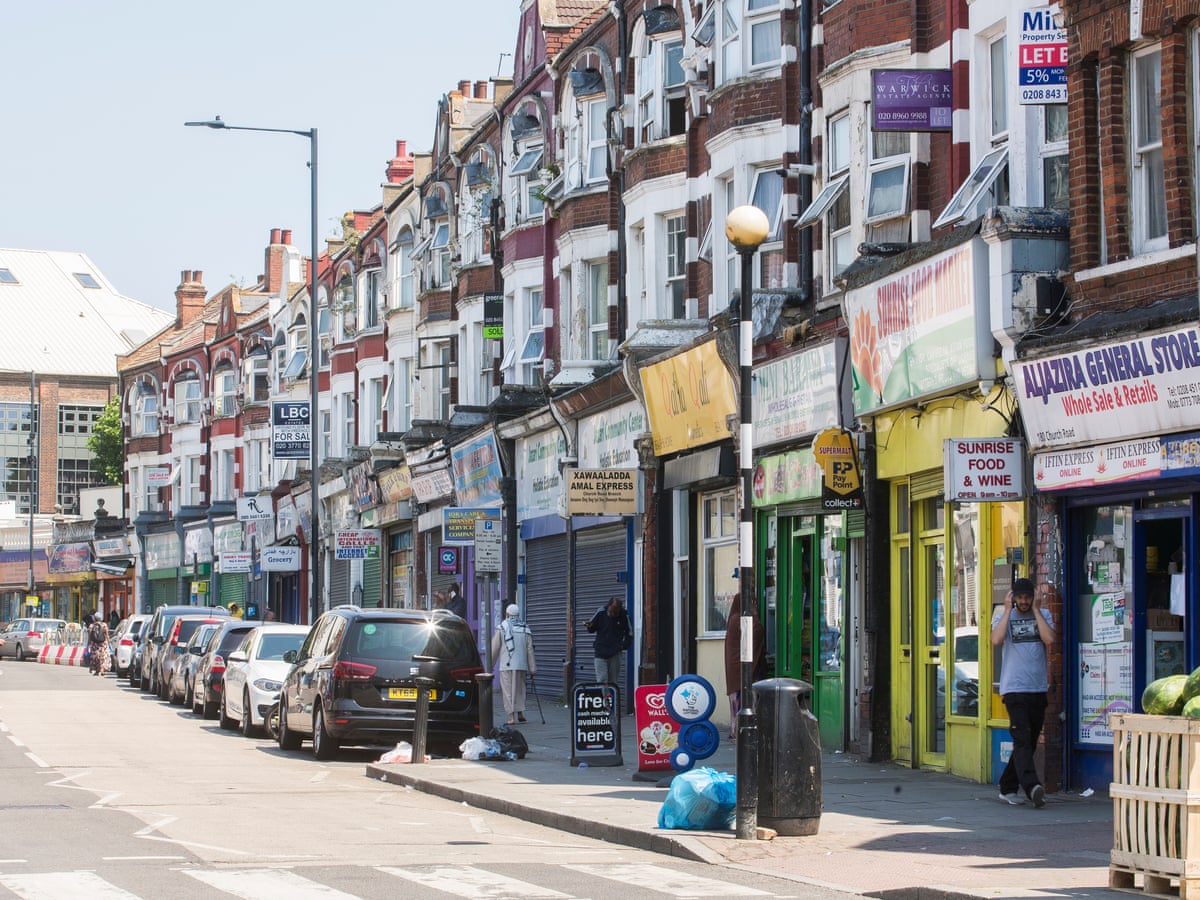
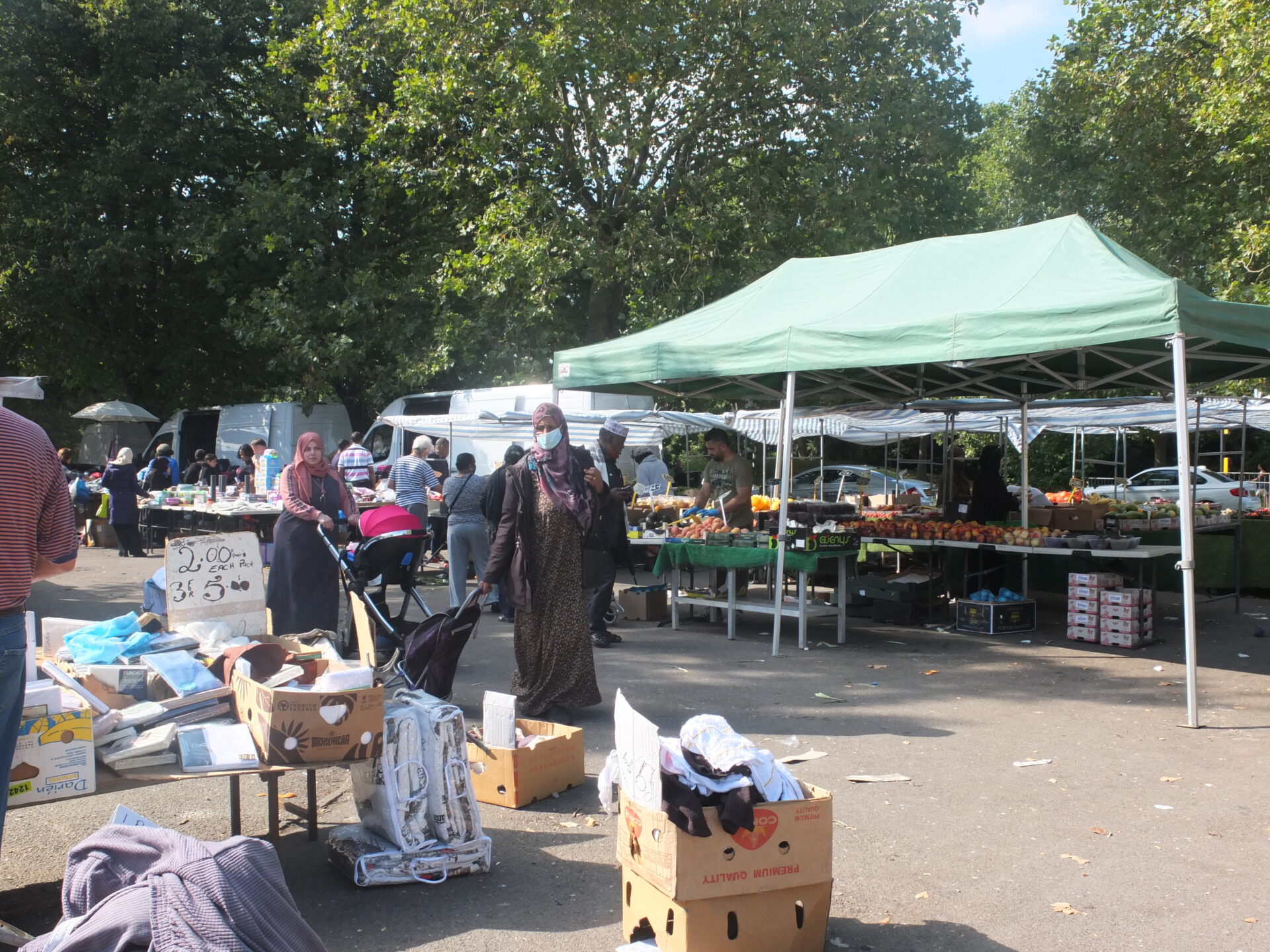
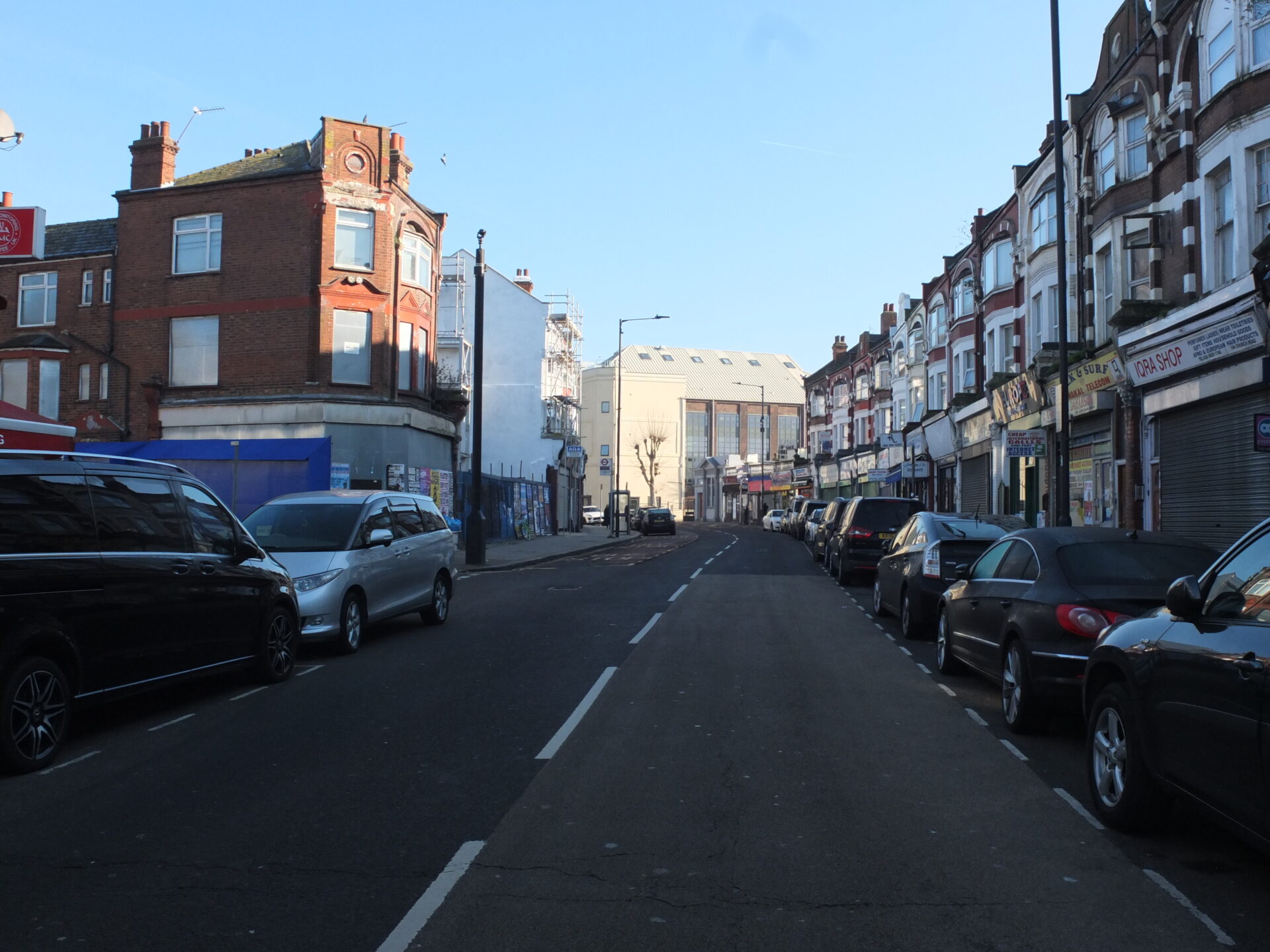
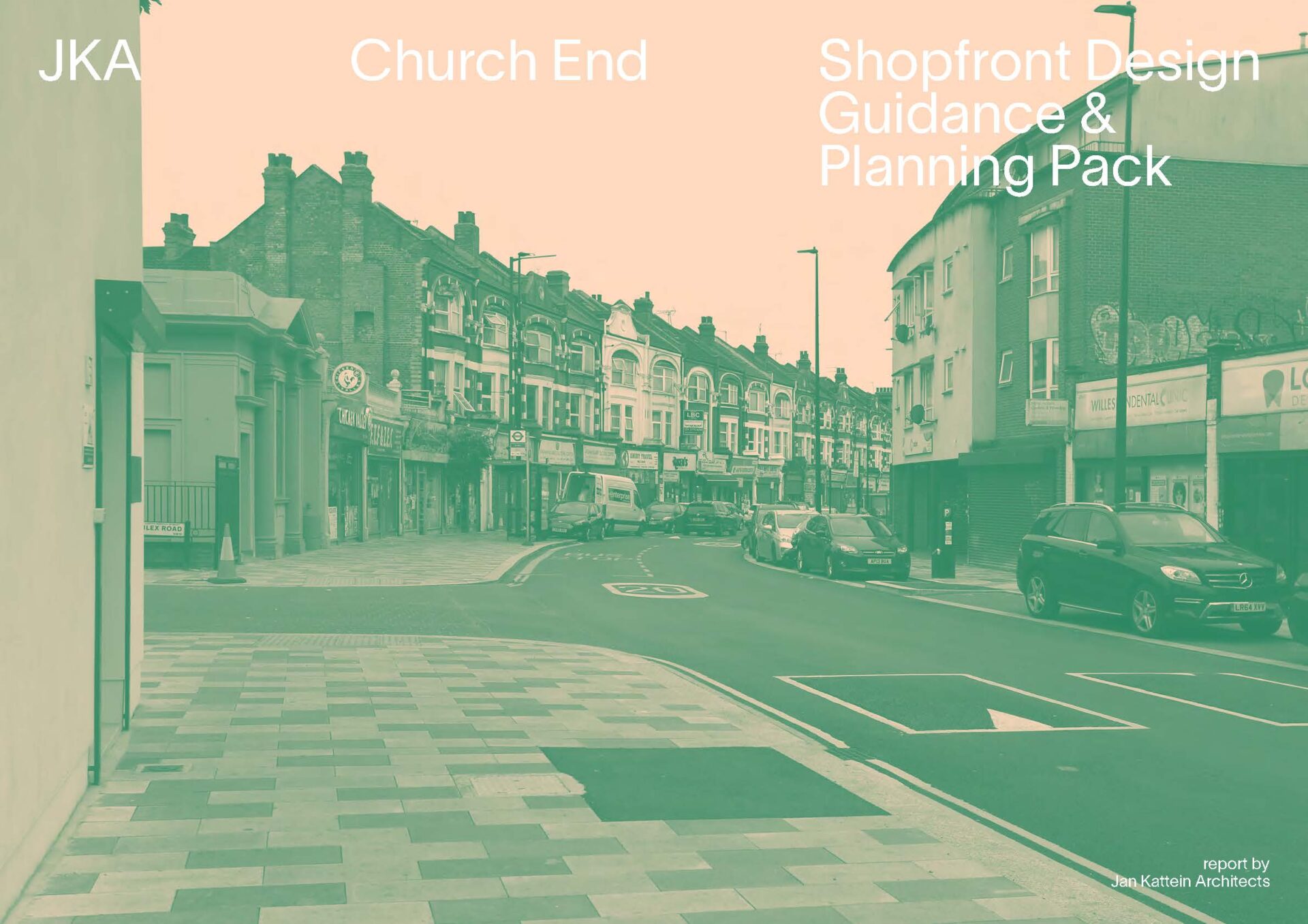
The London Borough of Brent identifies Church End as a key ‘growth area’ to meet it ambitious housing targets. The town centre takes on an important role as common ground for existing and incoming communities to meet and to access critical services. Unfortunately, the ornate Victorian high street has been in a sorry condition for a while. Whole buildings were missing from gap-toothed terraces, while a long-running market was hidden behind the high street terrace, in a cluttered backland car park.

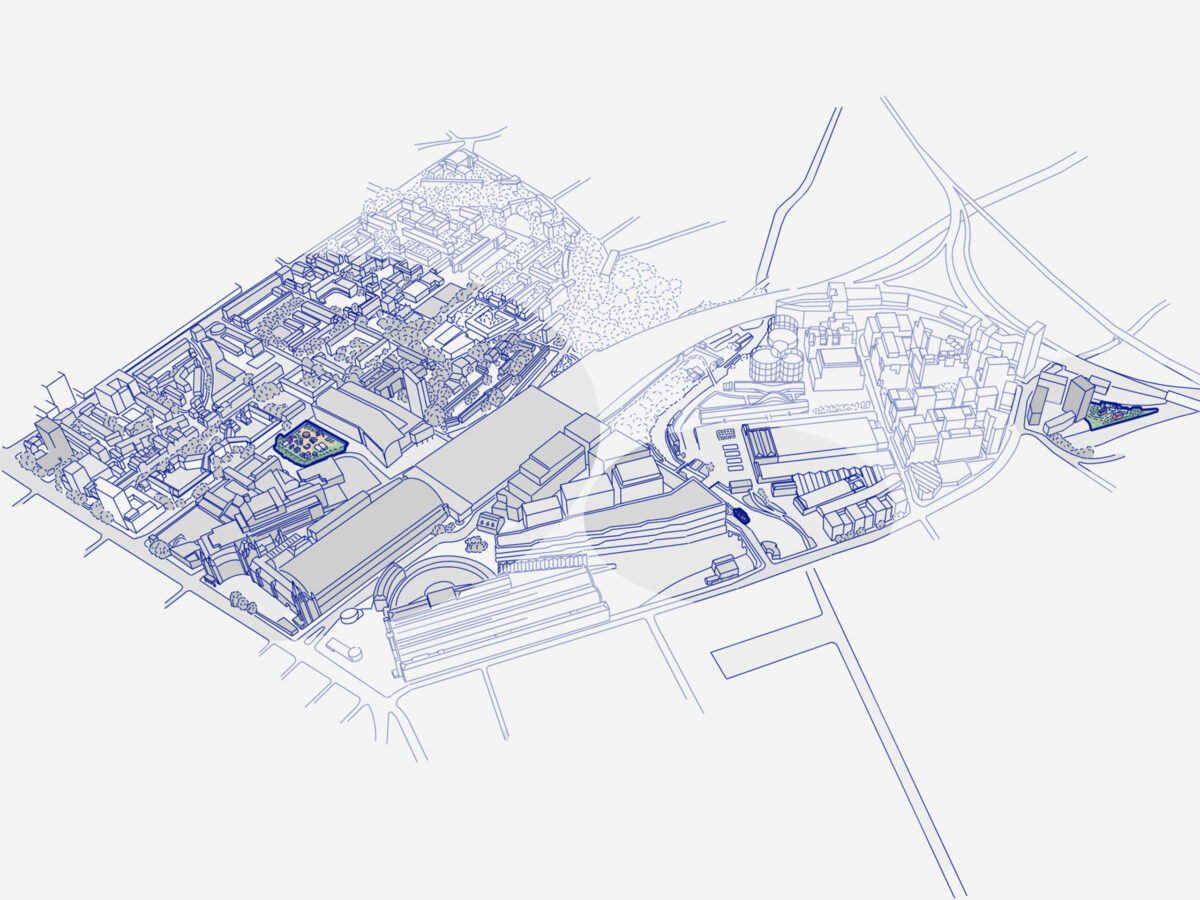
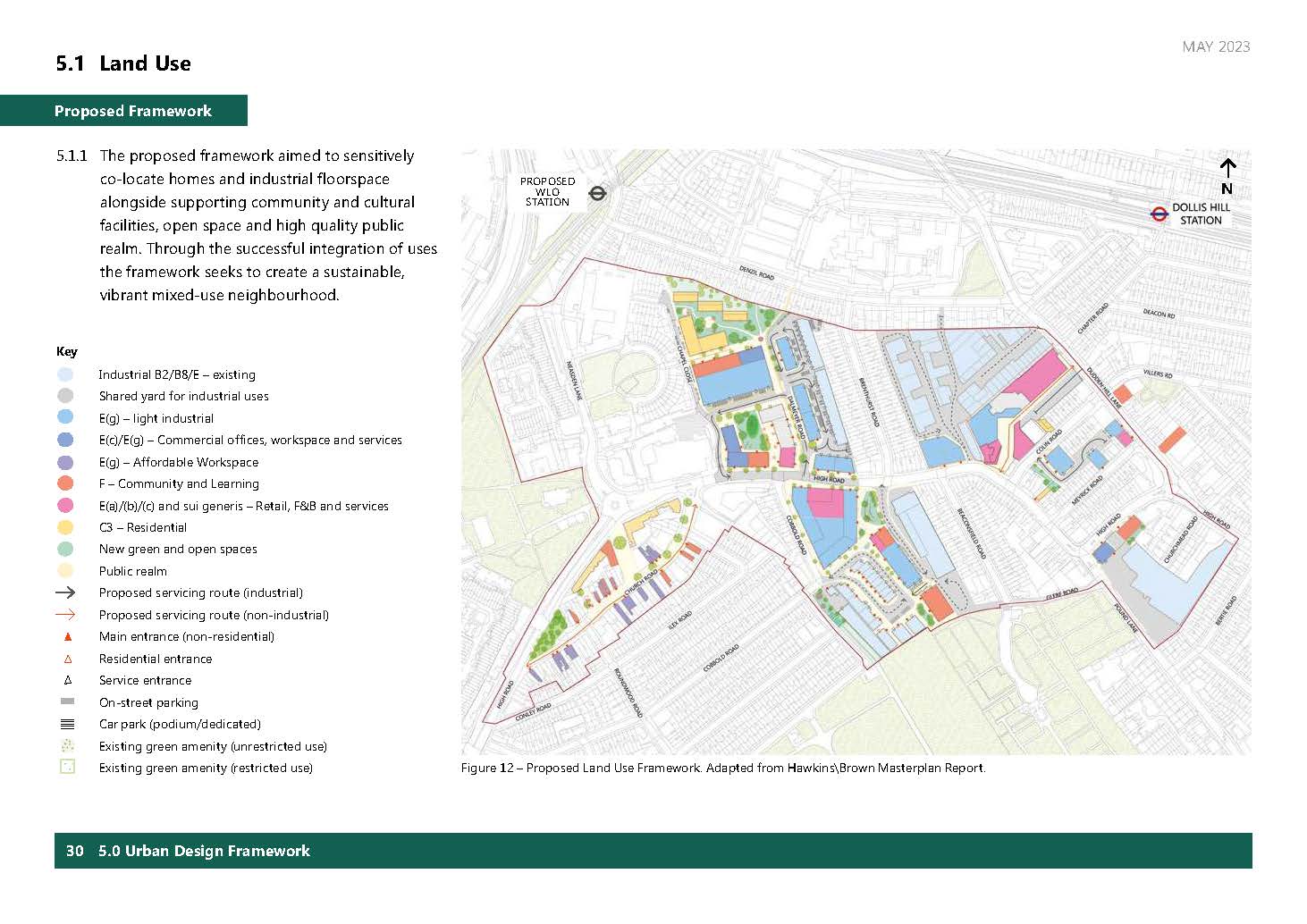
Hawkins/Brown and JKA were commissioned in late 2020 to work together on a masterplan for the Church End Growth Area, setting out how to meet the Council’s housing targets without compromising local employment provision. While Hawkins/Brown led the study and examined the industrial sites which are expected to provide the majority of housing opportunity, JKA focussed on the evolving role of the town centre and delivered a wider programme of community involvement.
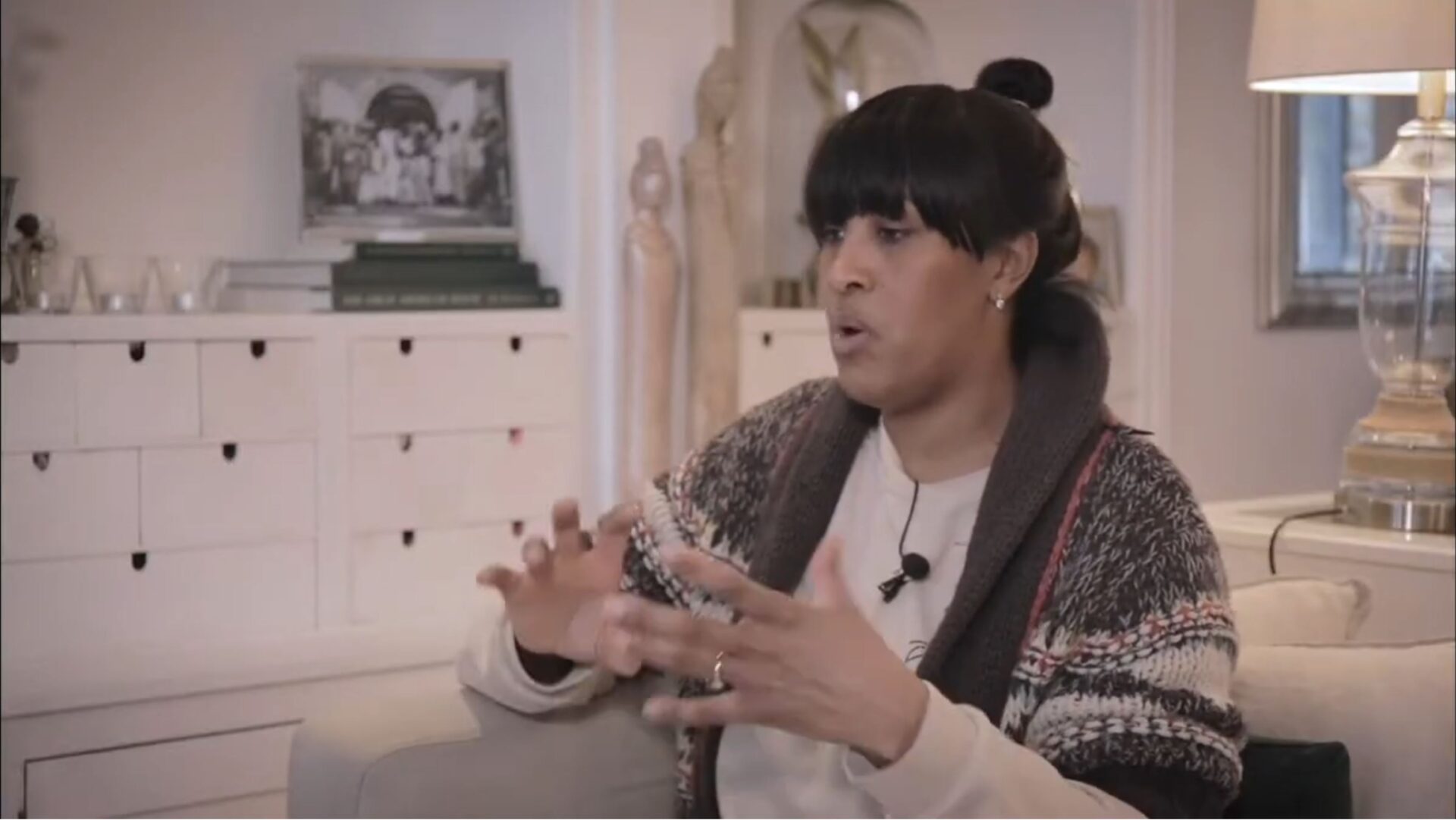
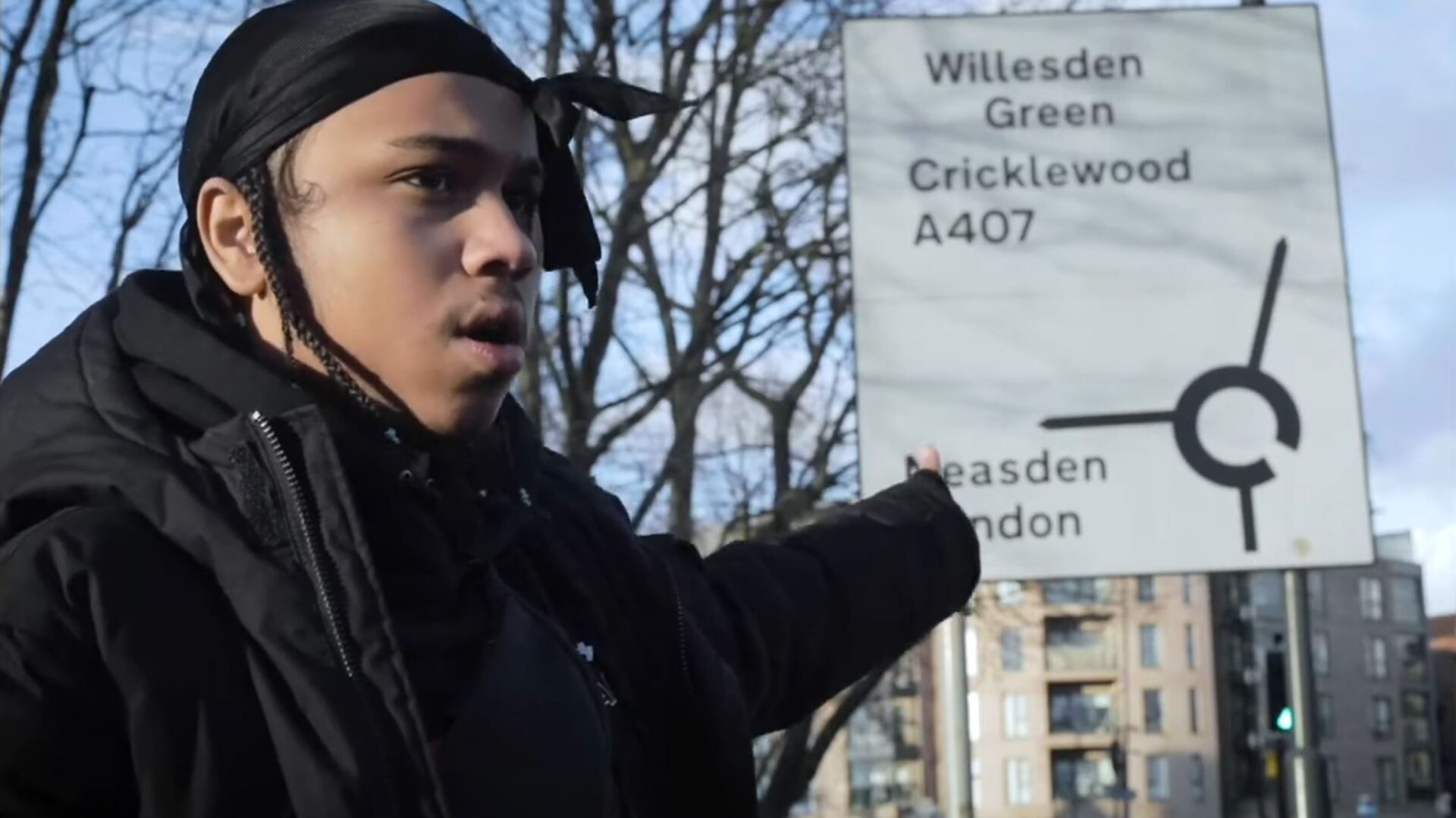
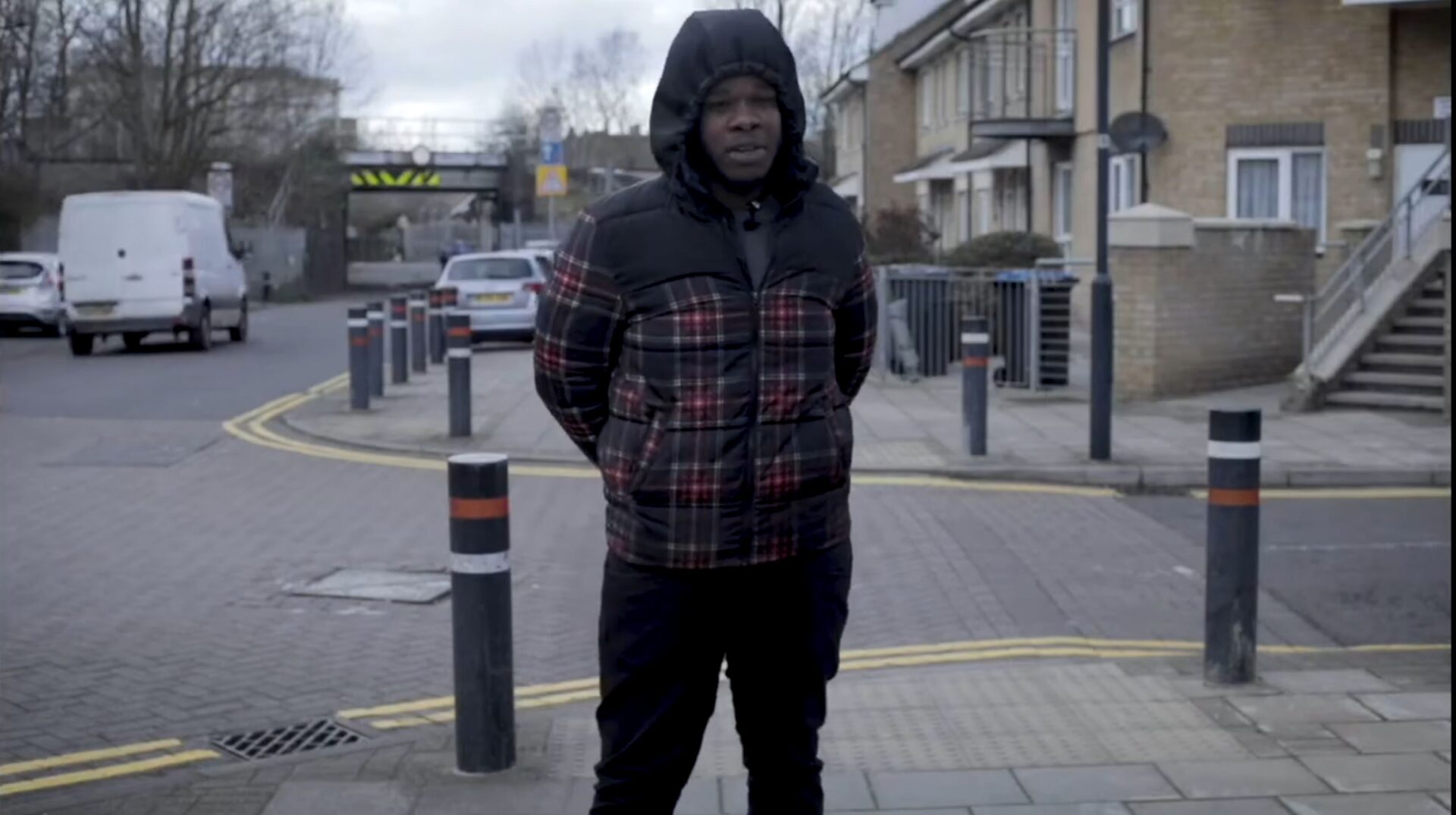
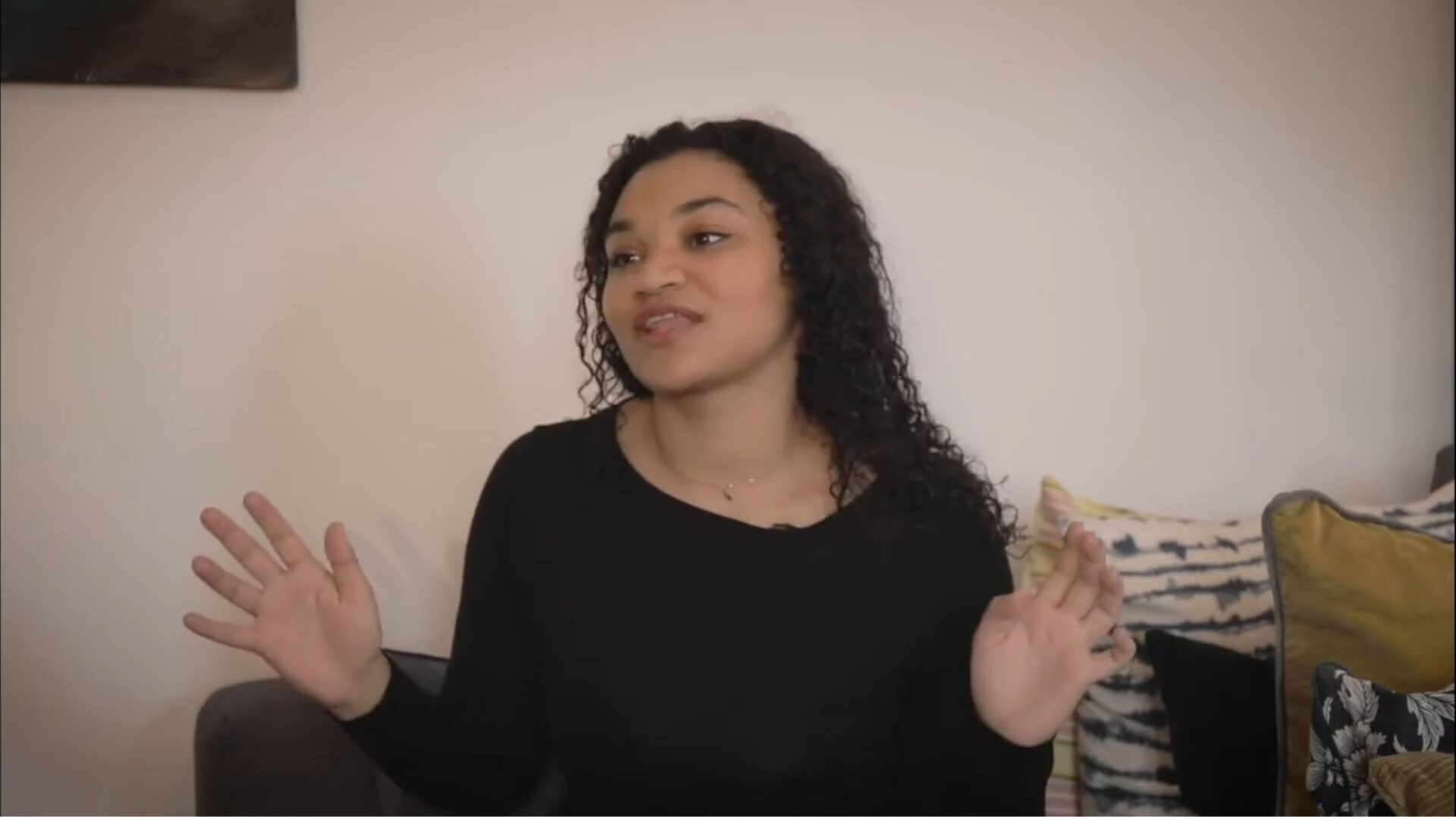
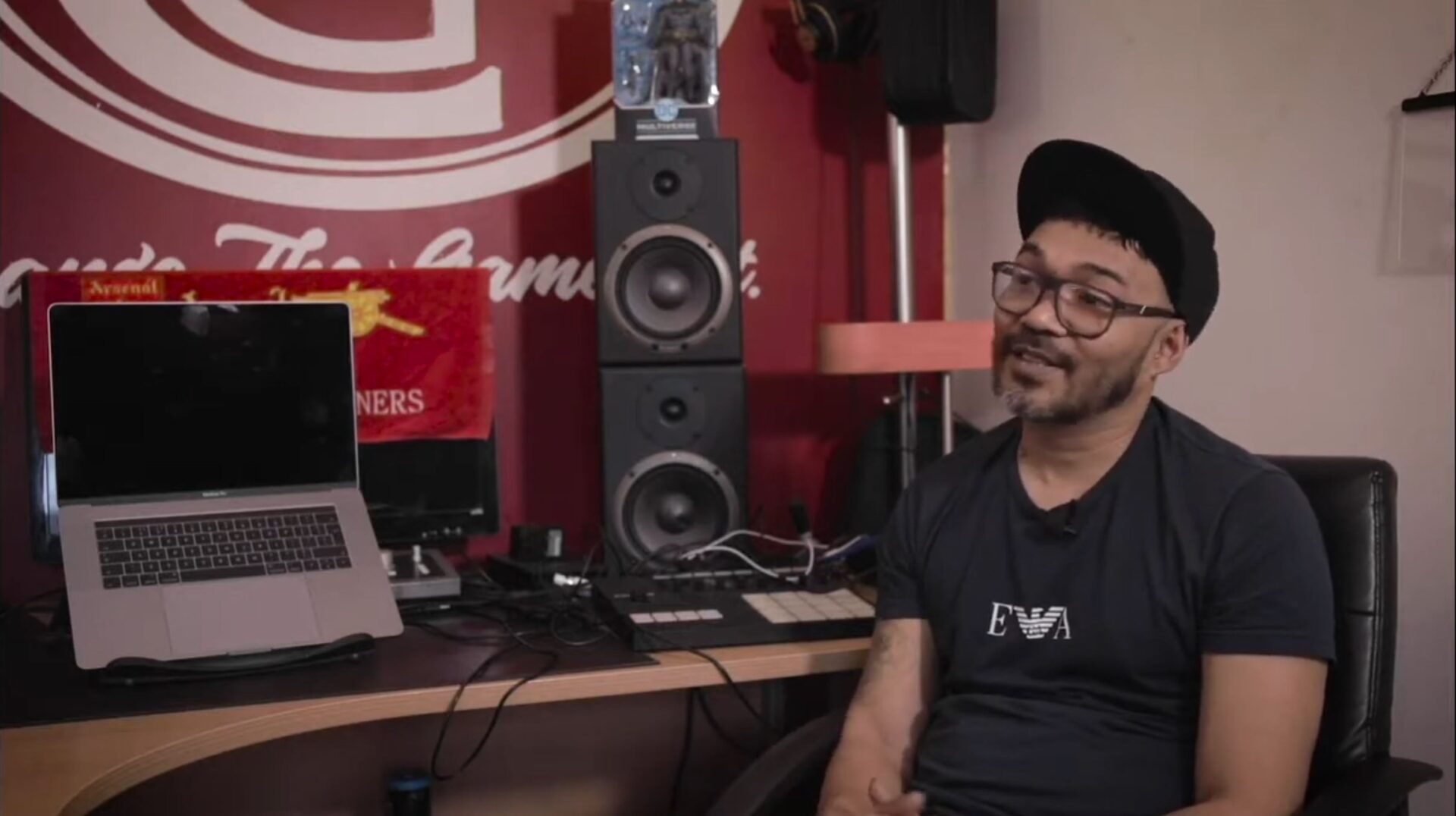
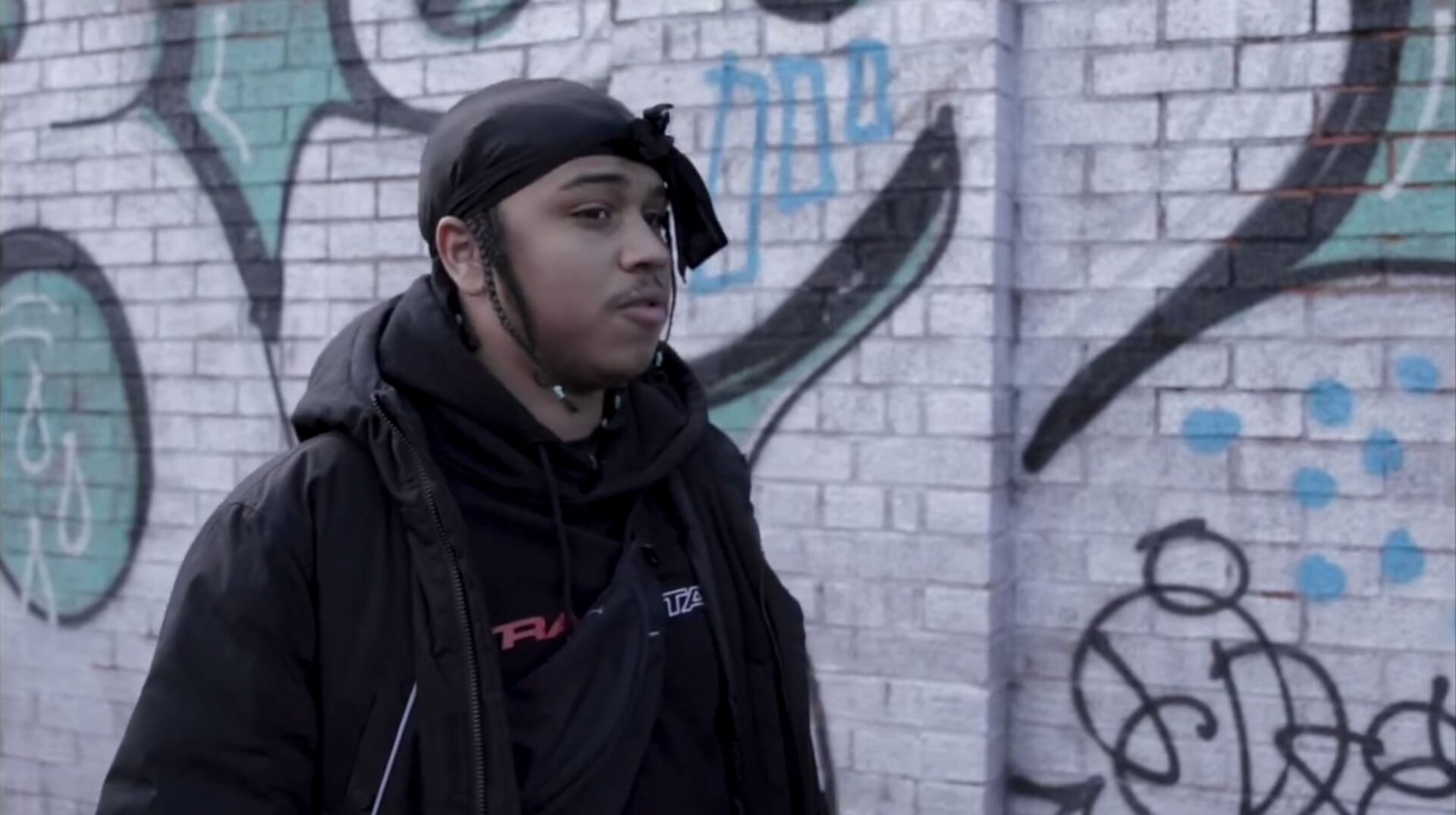
In order to place local voices at the heart of the masterplan amid continuing social distancing restrictions, we began with a series of online interviews with community groups alongside a youth film commission. Together, these firmly asserted the importance of local ownership in the town centre’s future, together with an urgent need for community infrastructure and youth provision.
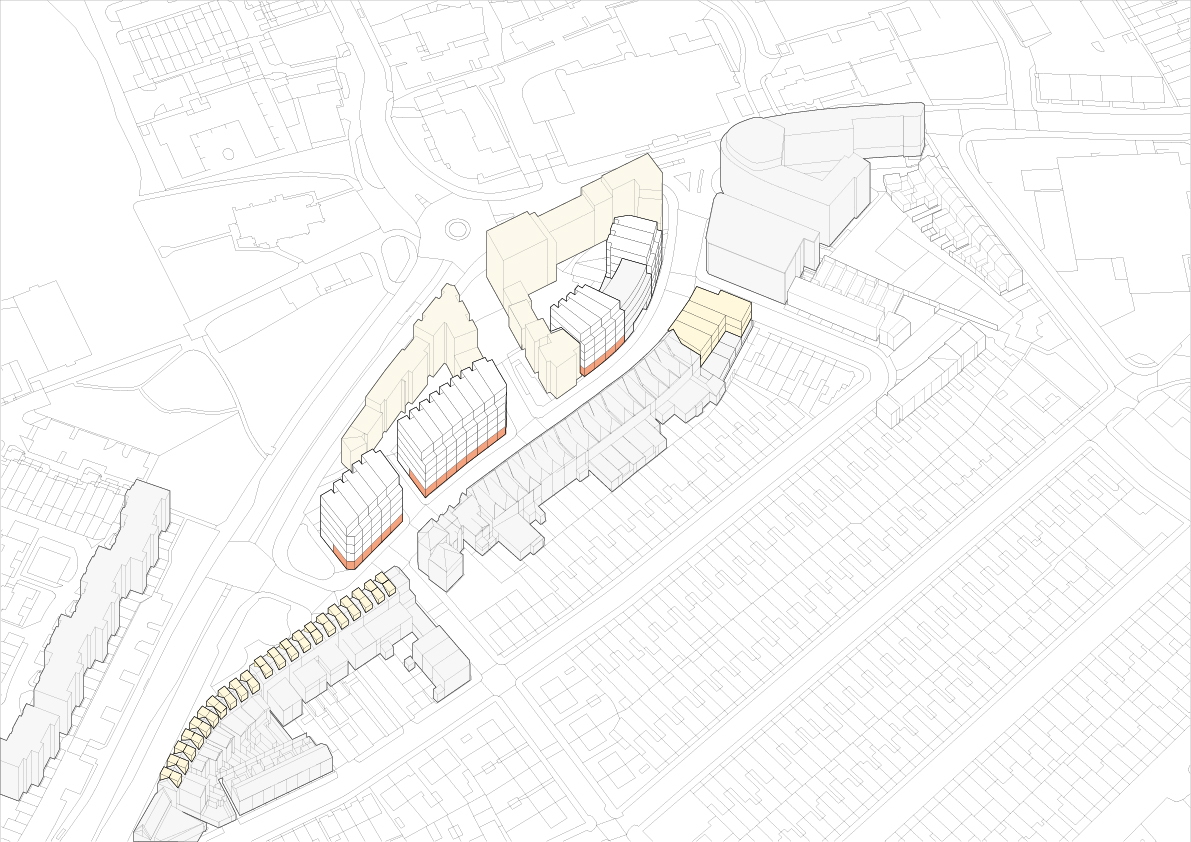
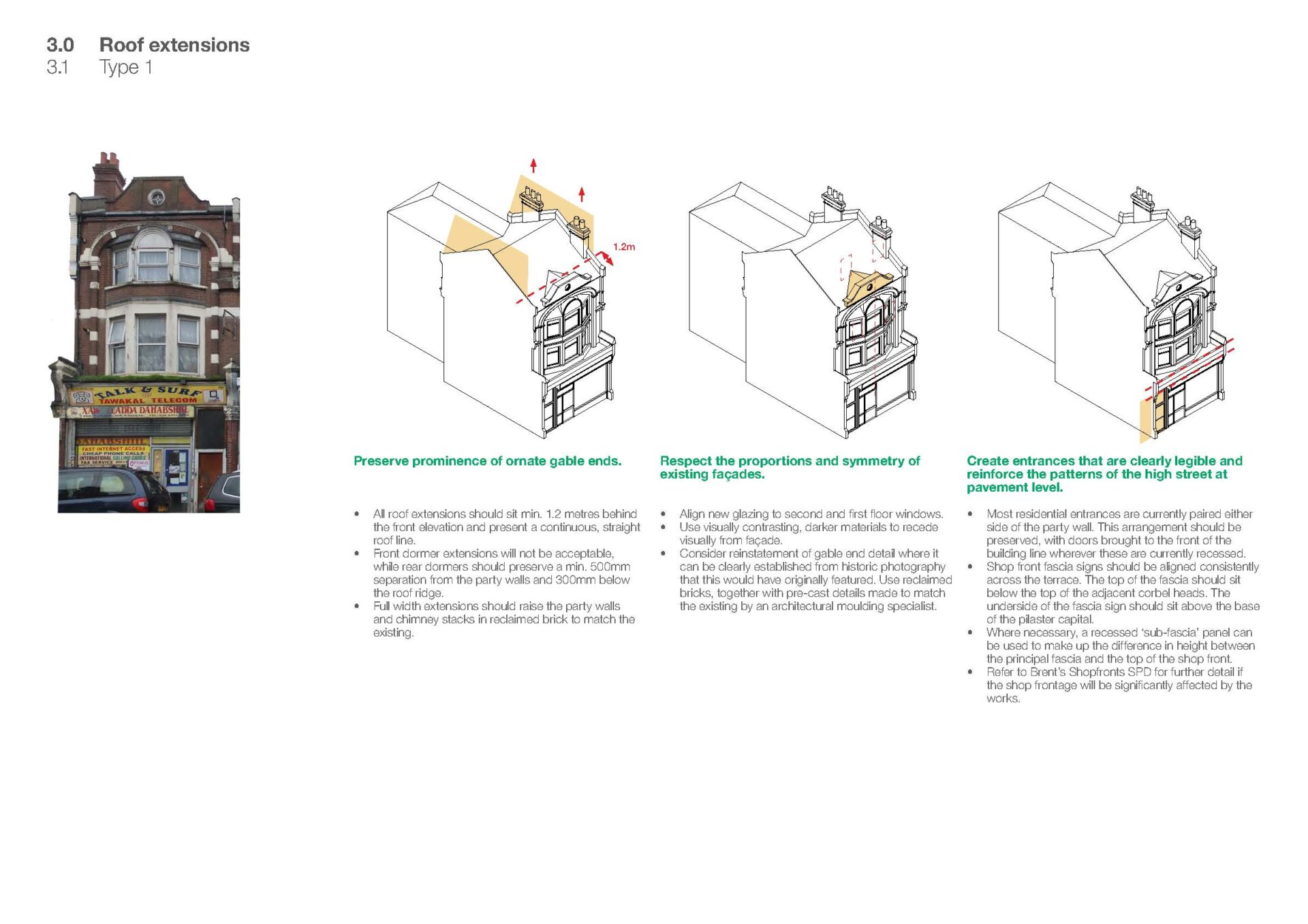
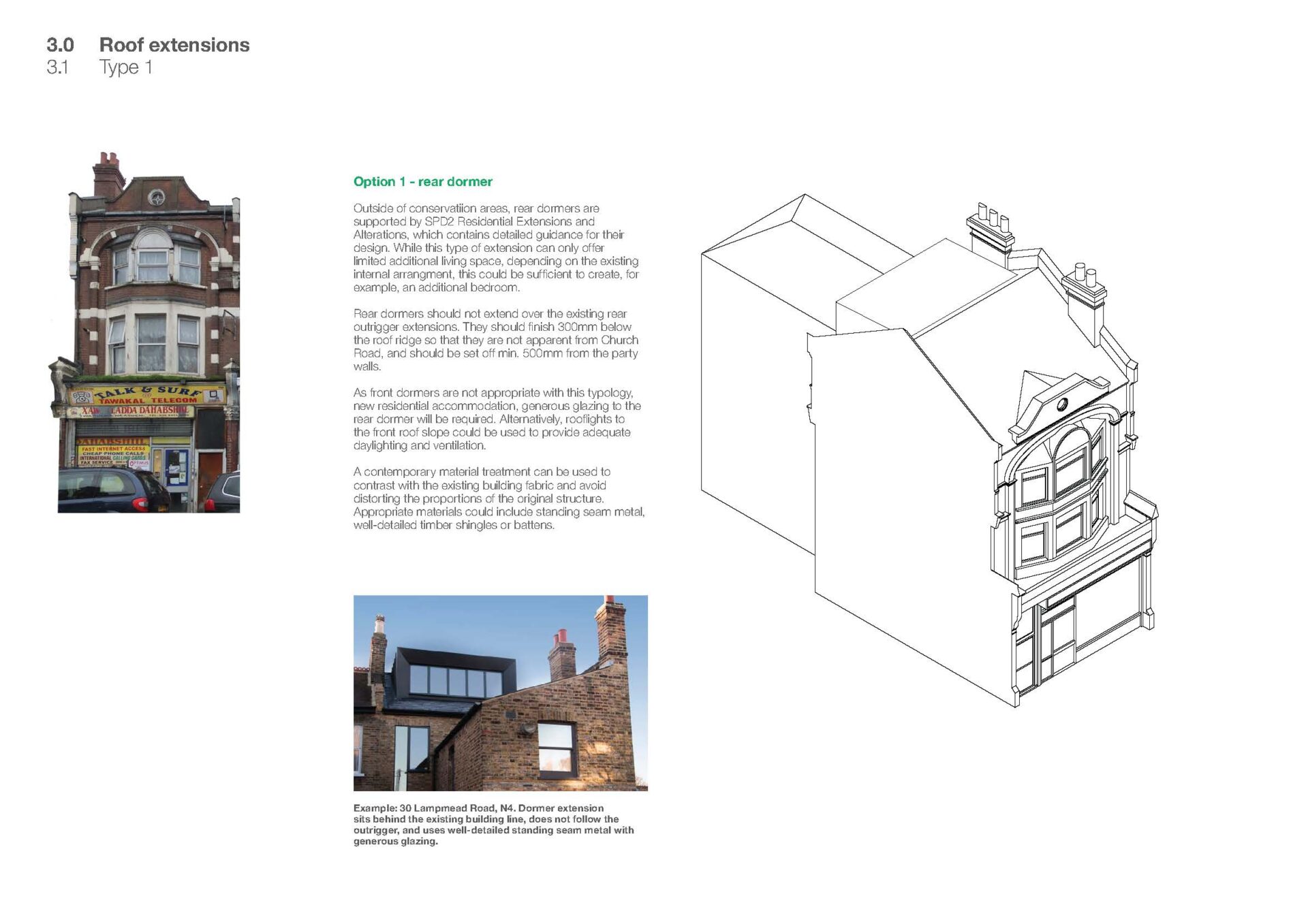
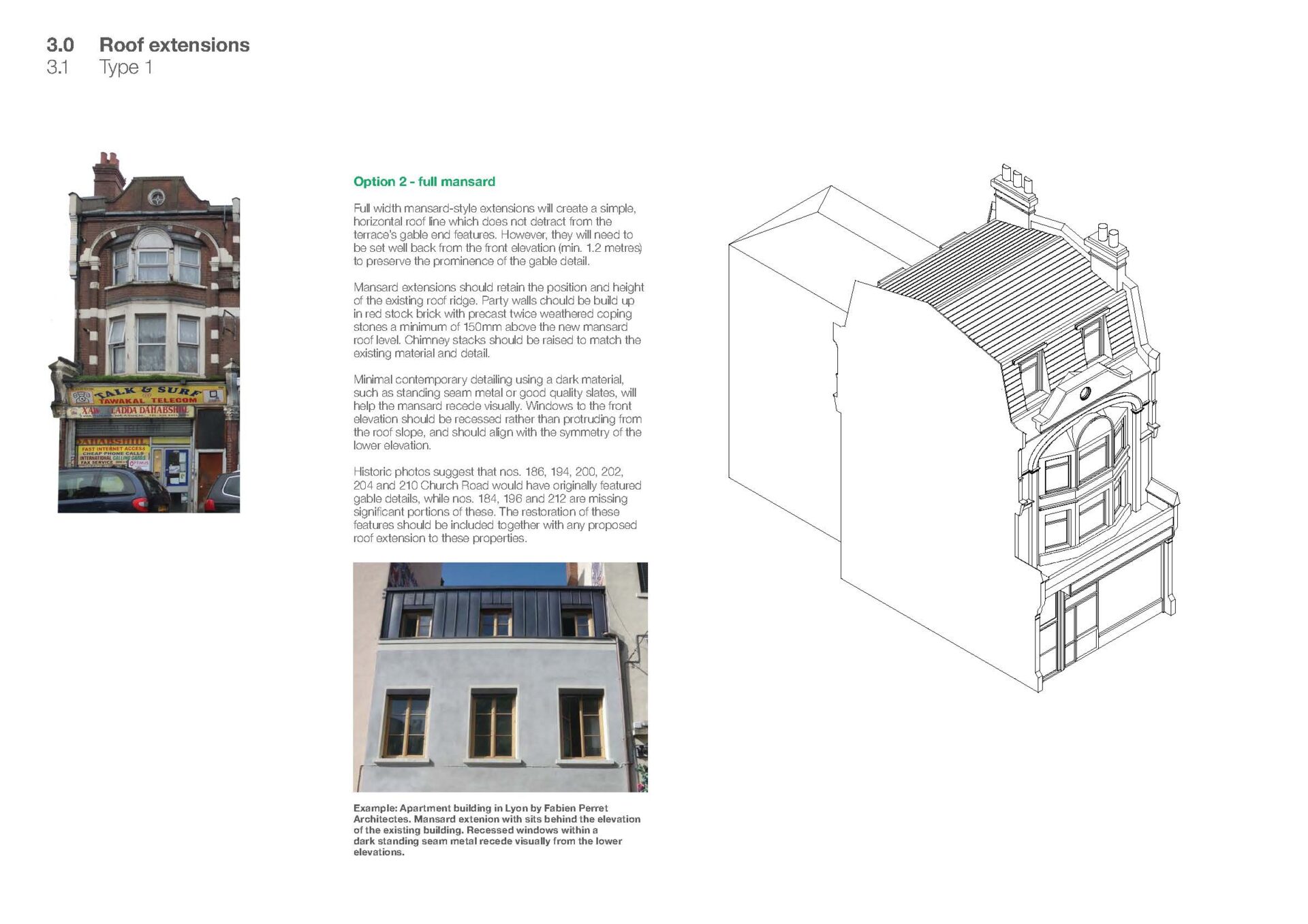
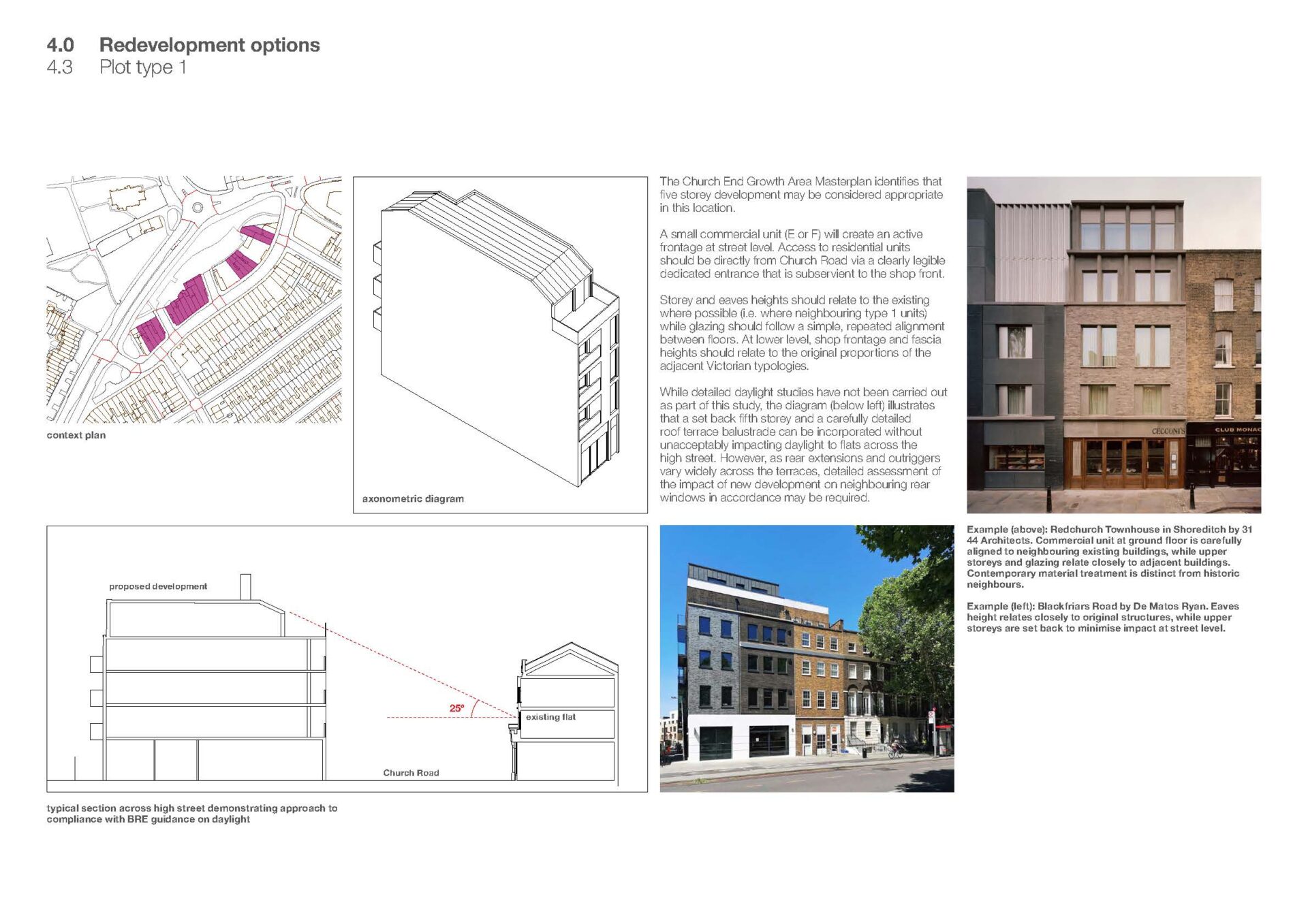
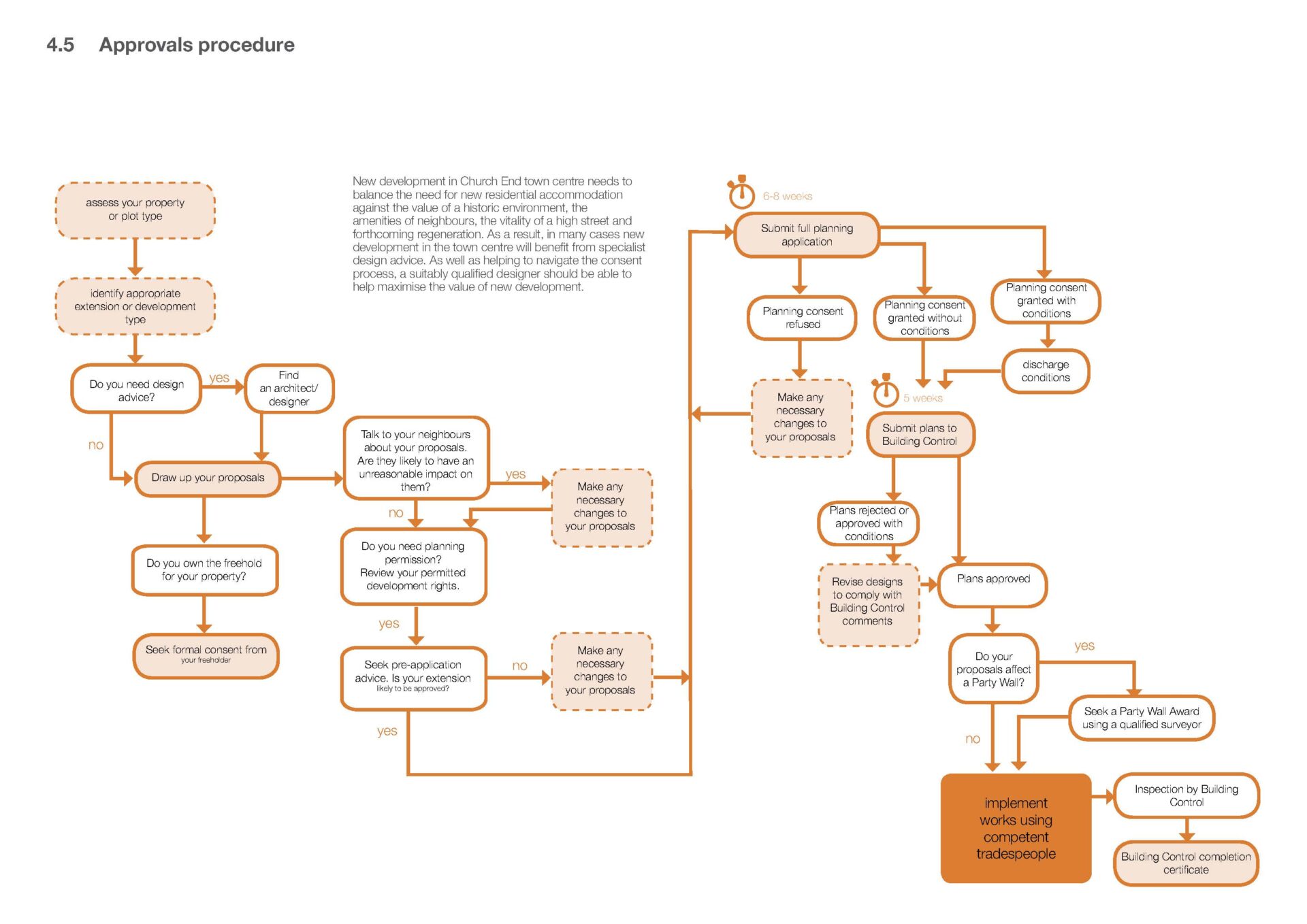
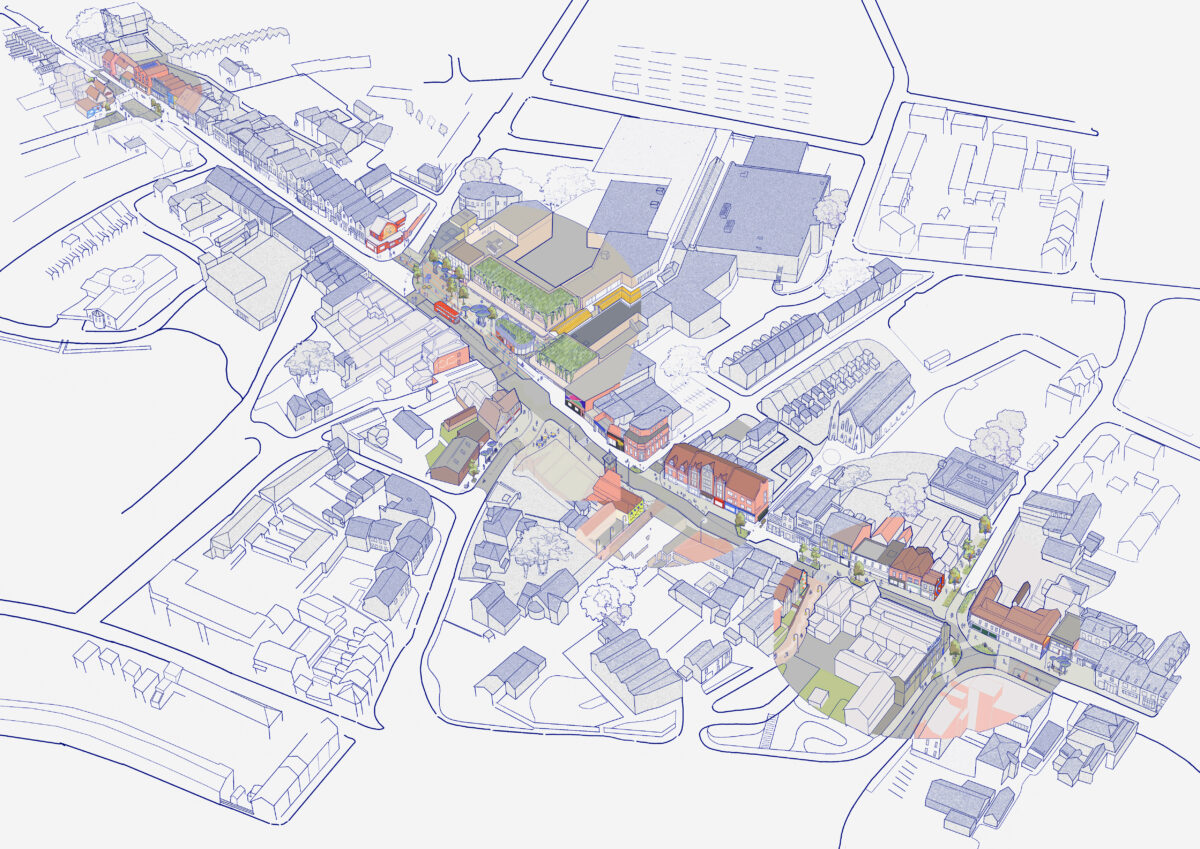
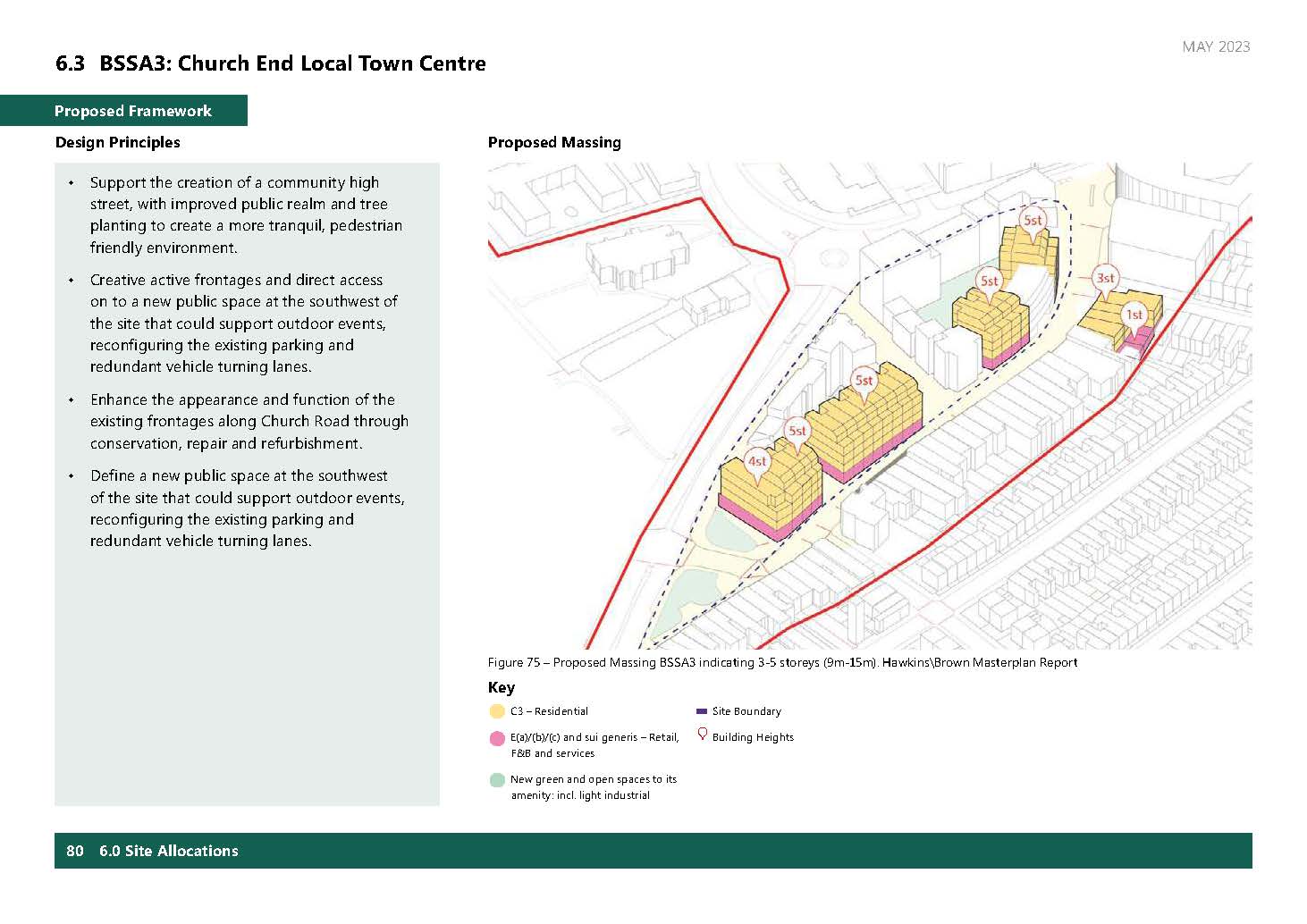
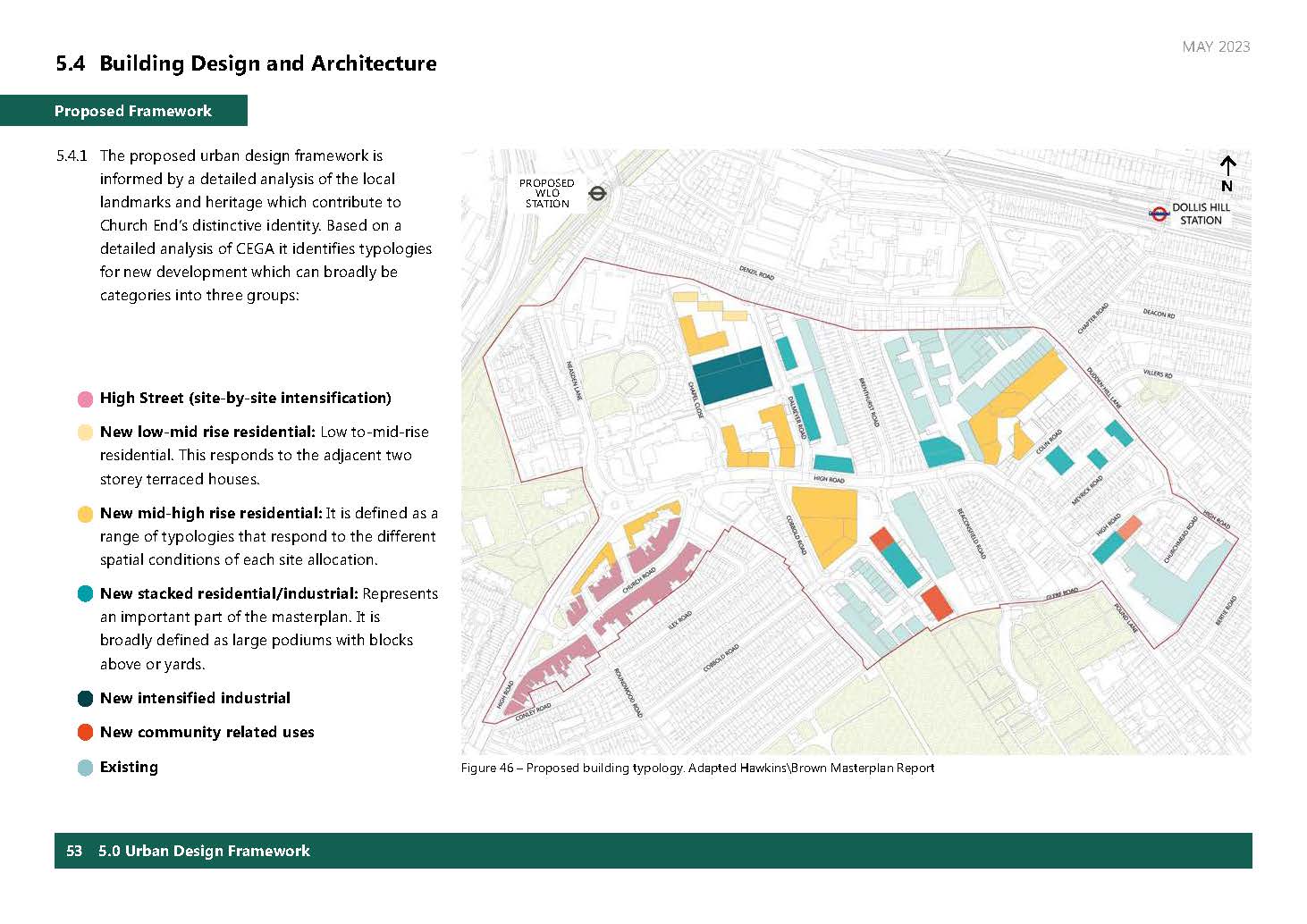
We proposed a ‘plot-by-plot’ approach to development along the high street, respecting existing ownership patterns and the fine grain of the existing terraces. The masterplan proposes typical plans and massing for individual owners to redevelop their property at greater density, while supplementary residential design guidance sets out acceptable forms of extension to the specific existing building typologies found in Church End. A steady, incremental shift towards pedestrian priority on the high street completes the picture of a high street that balances a variety of uses.
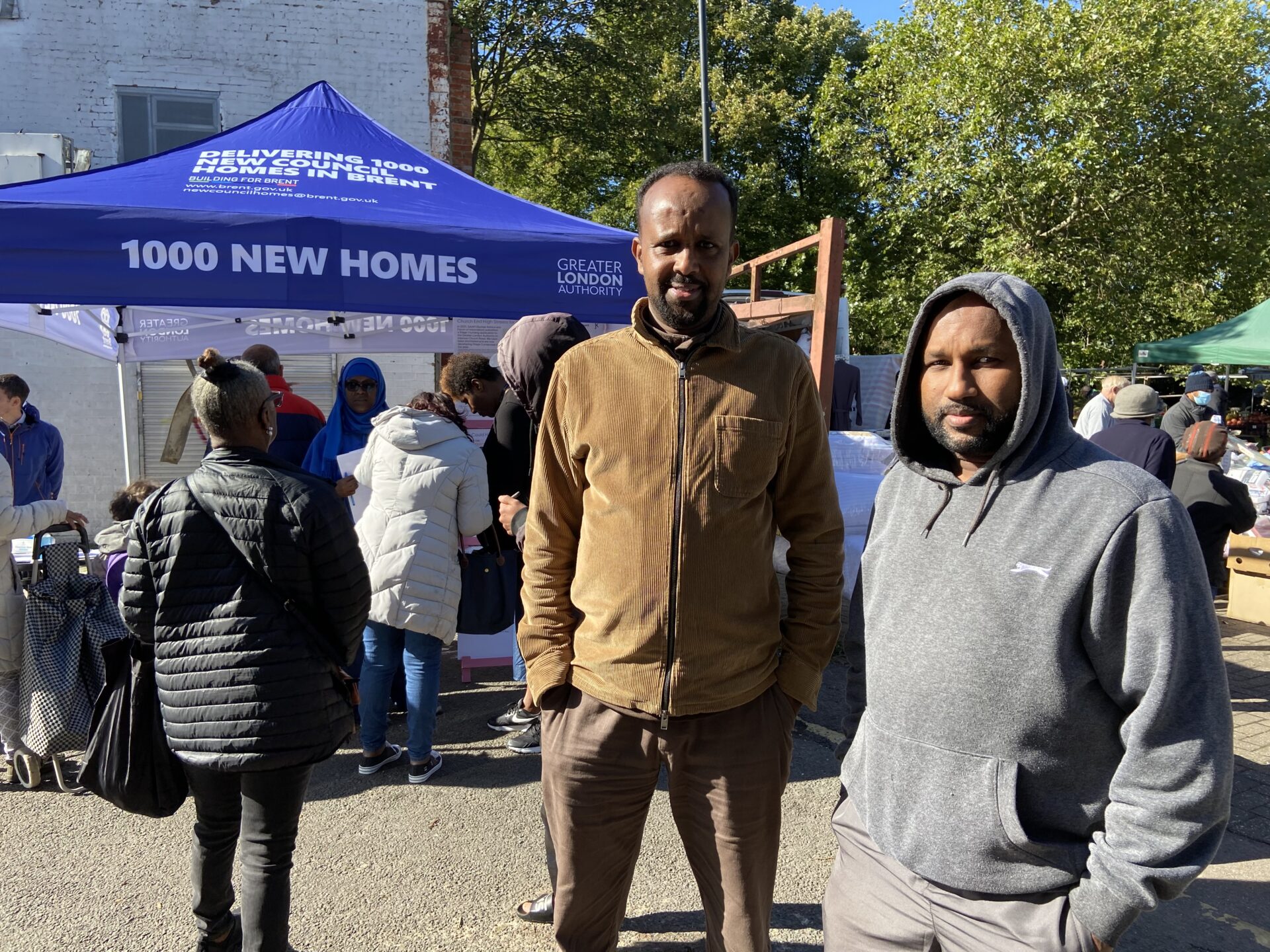
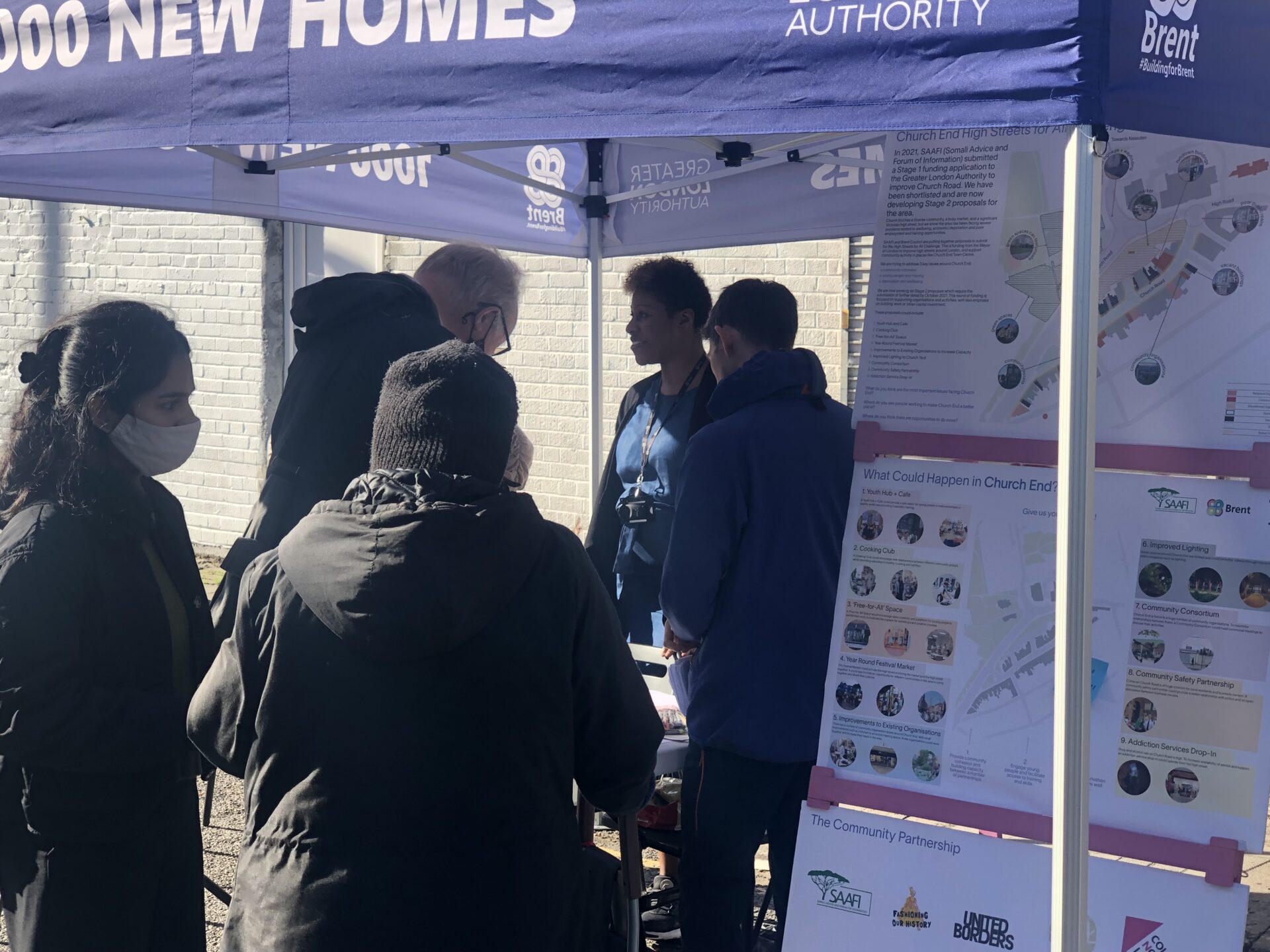
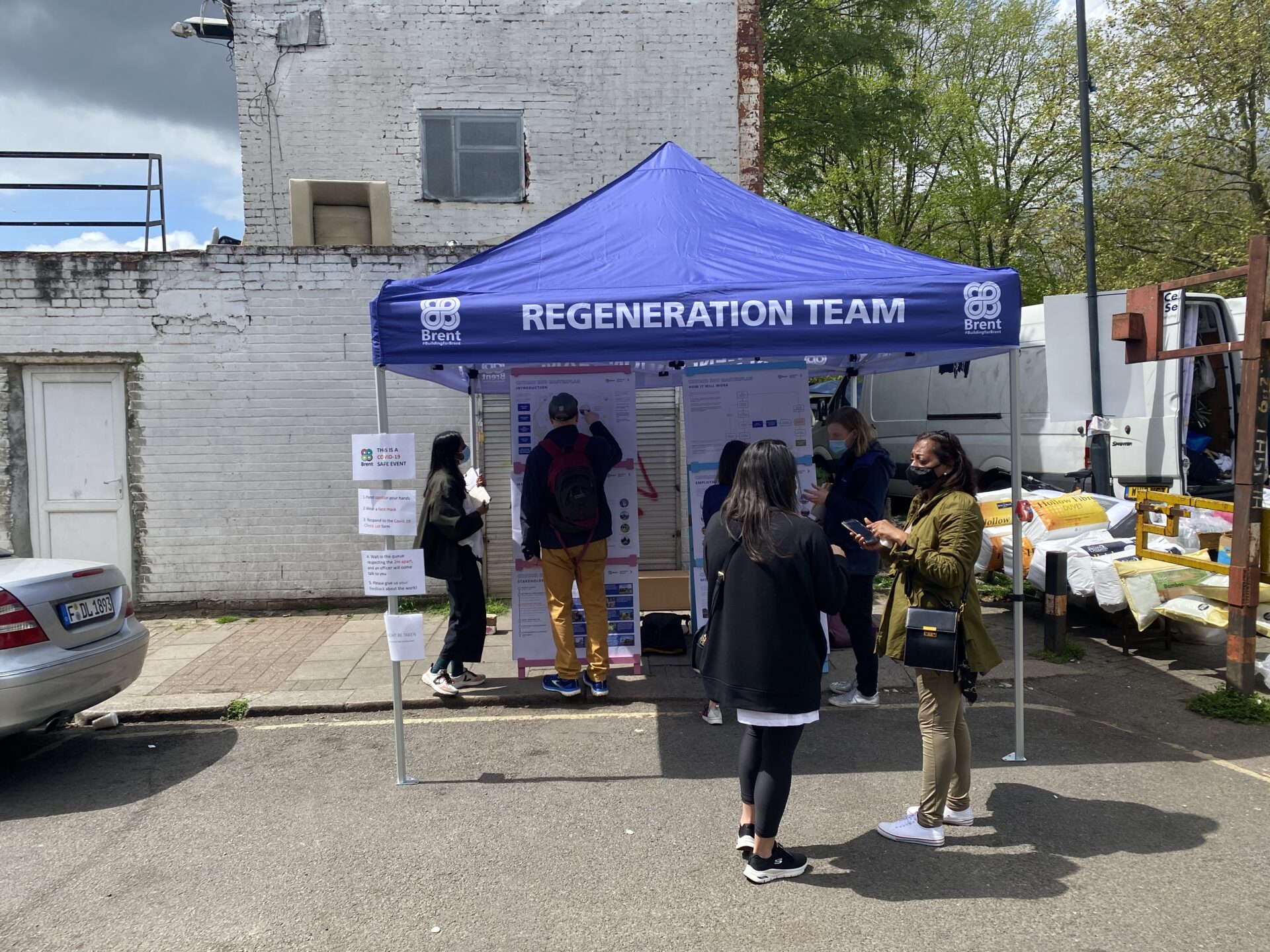
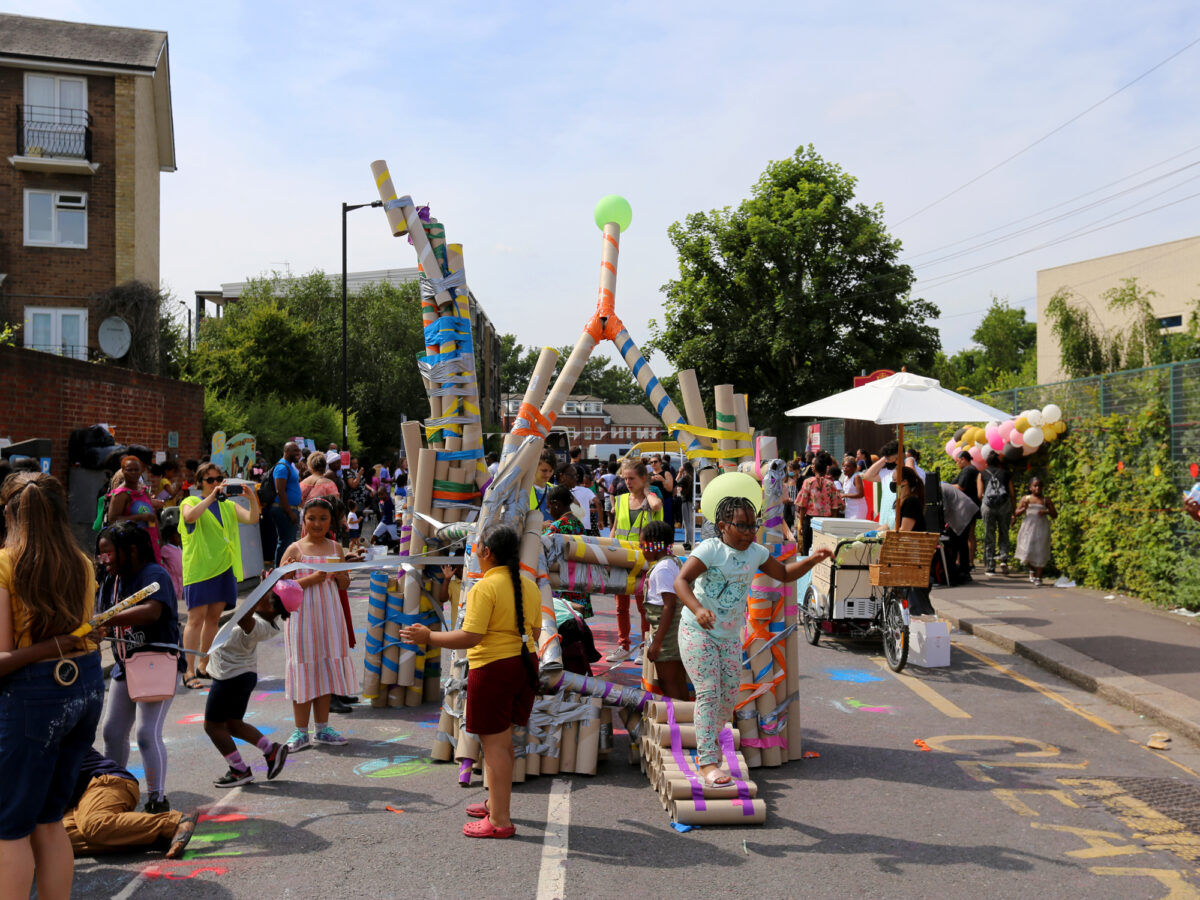
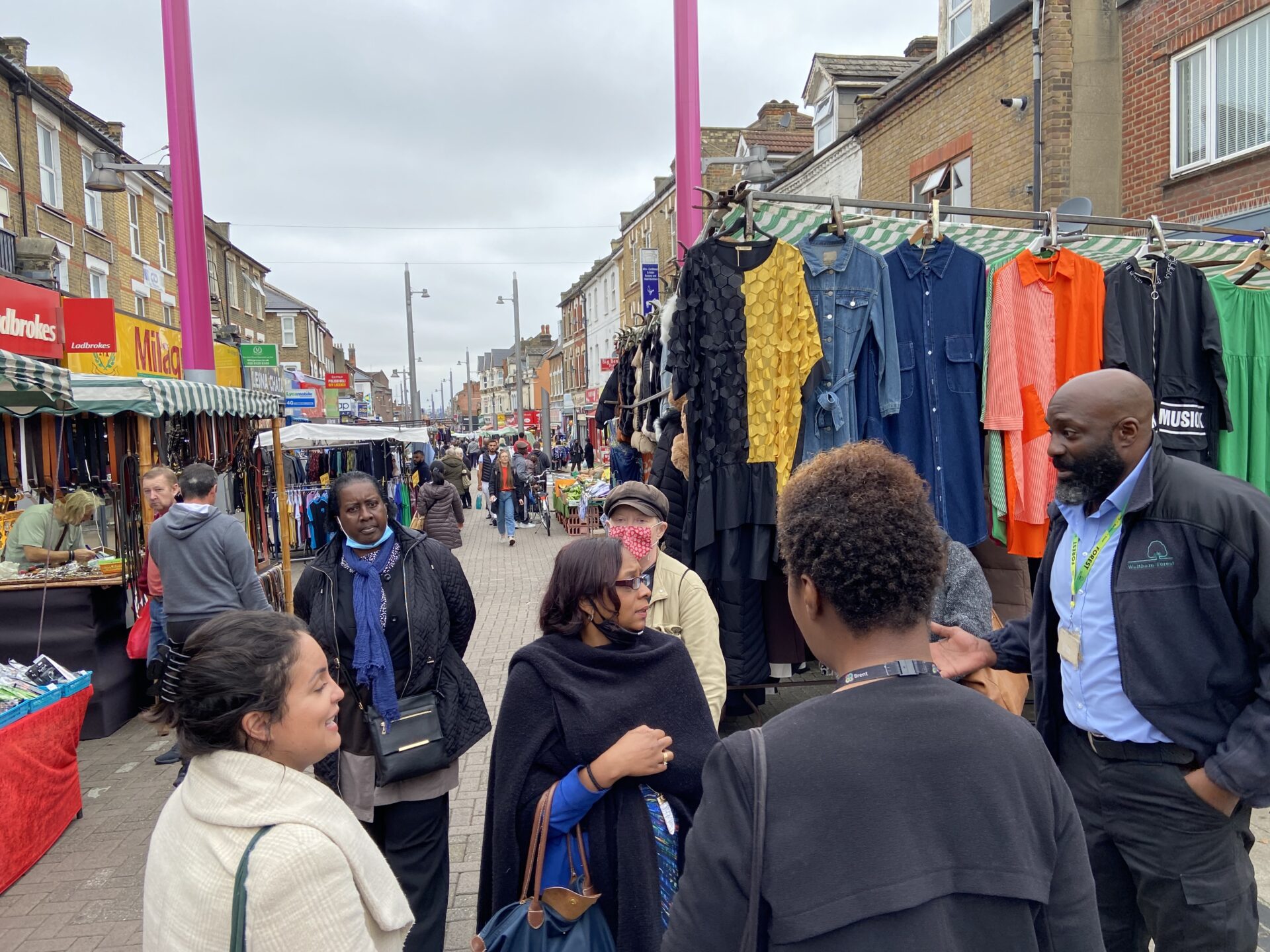
As restrictions lifted, we were able to test the Masterplan’s principles through discussion at the weekly market. Parallel statutory consultation saw the Masterplan adopted as a Supplementary Planning Document in May 2023.
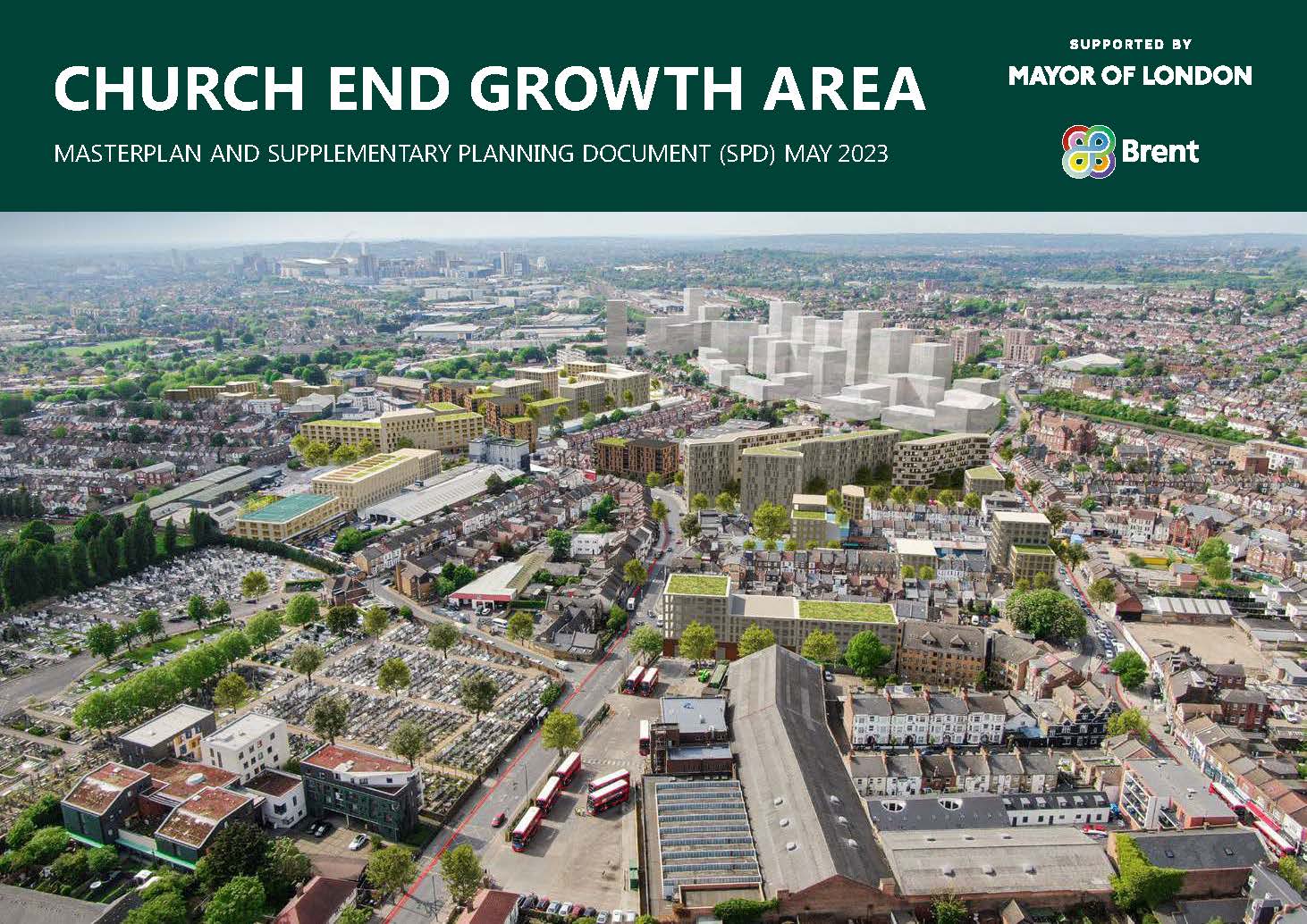
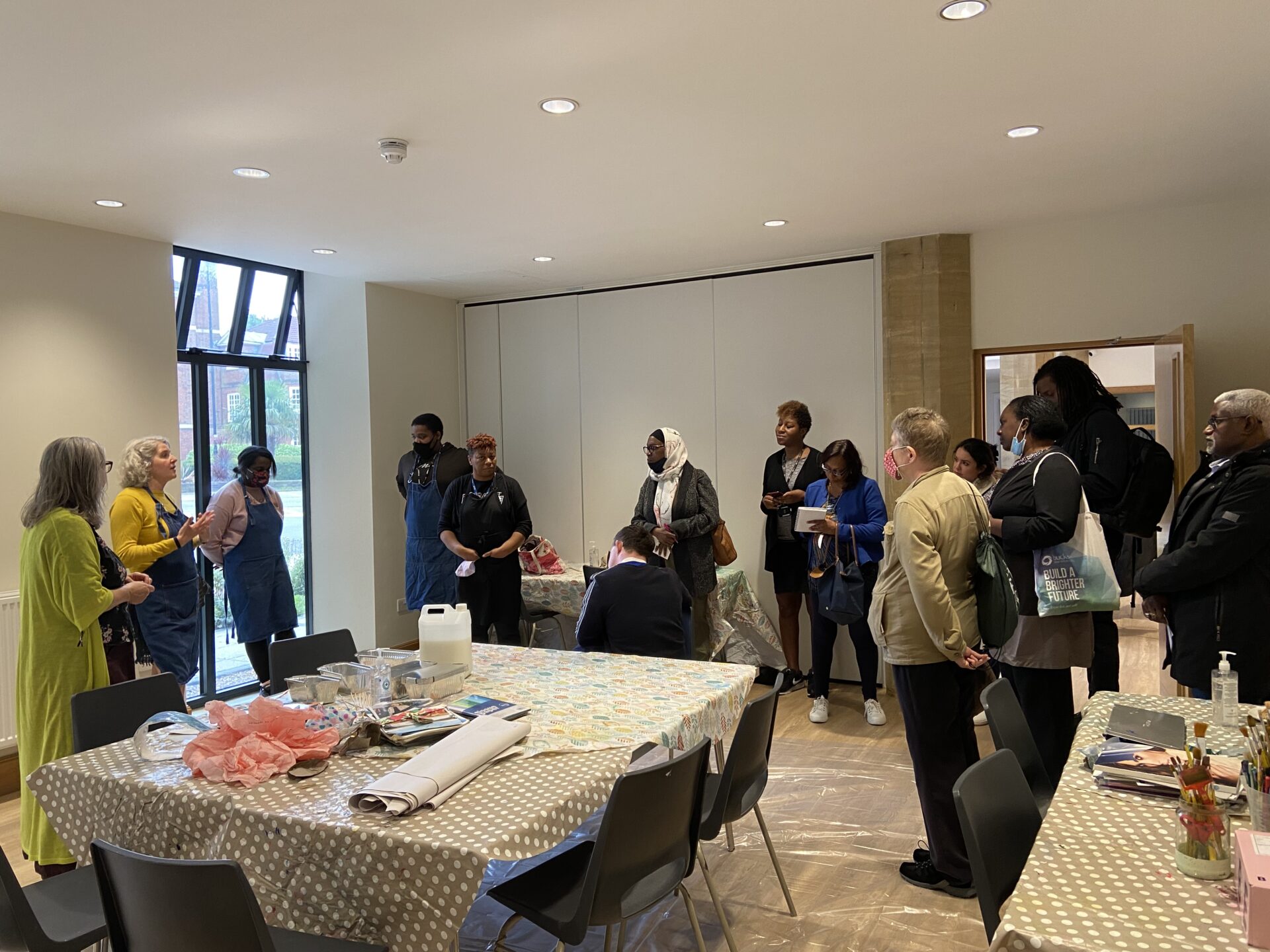
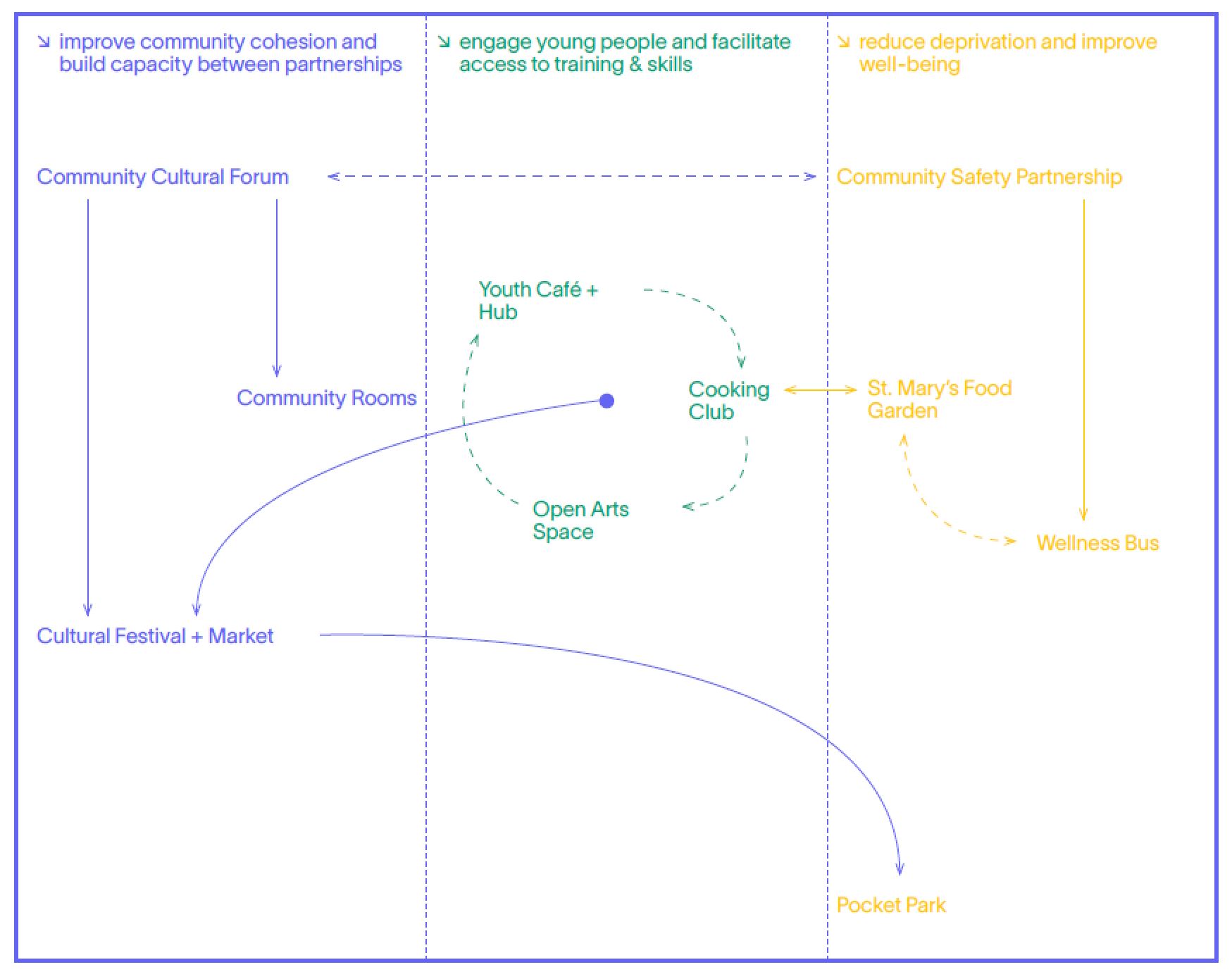
While the Masterplan sets out to ensure that development in Church End will bring broad community benefits, er recognised that more direct, urgent intervention is needed. Leading on from the Masterplan, JKA worked with the stakeholders we met along the way to develop proposals for immediate improvements to social infrastructure through the Mayor of London’s High Streets for All Challenge, securing £300,000 to deliver a youth hub, community kitchen and to build capacity across a partnership of seven local community groups.
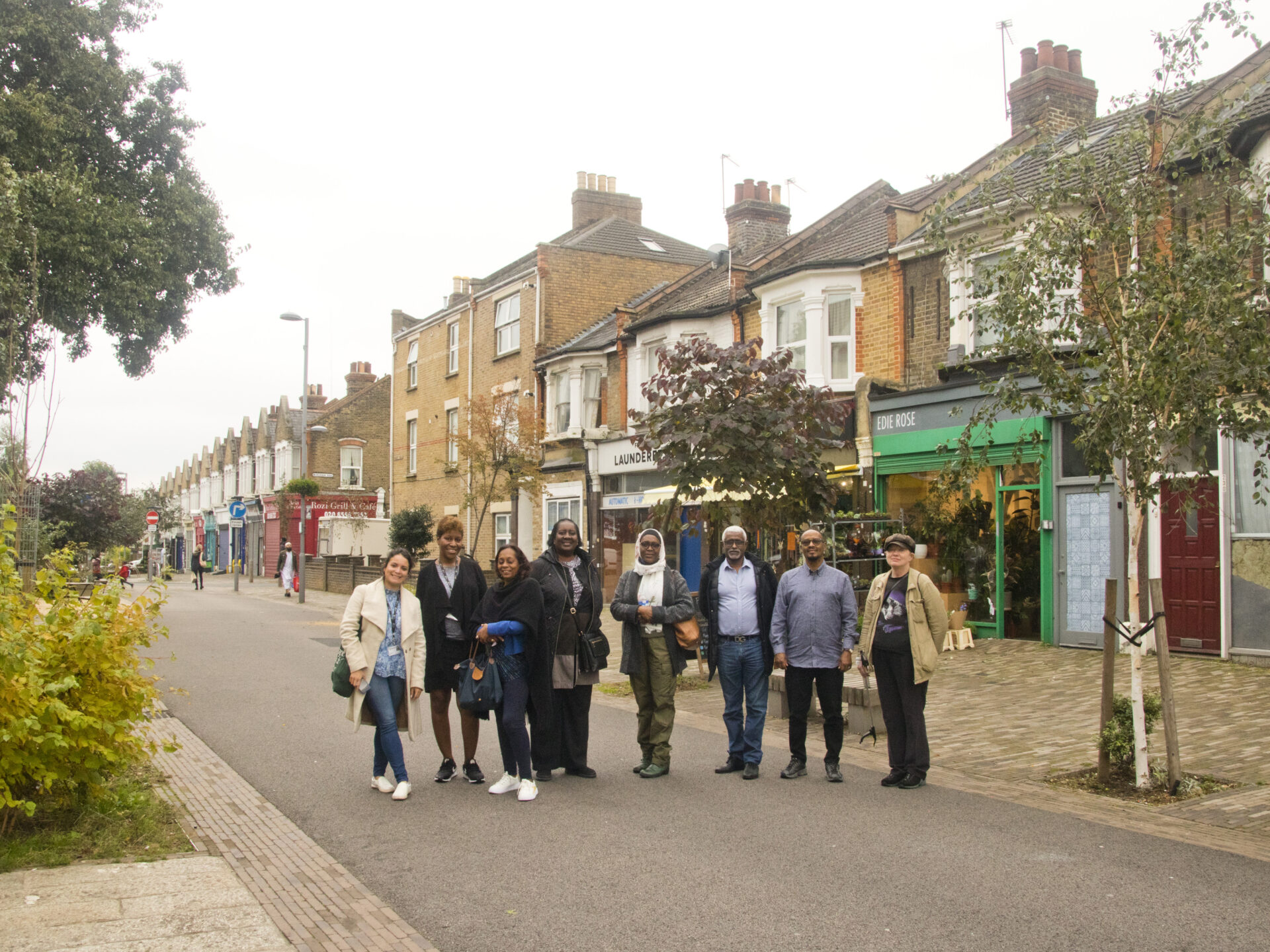
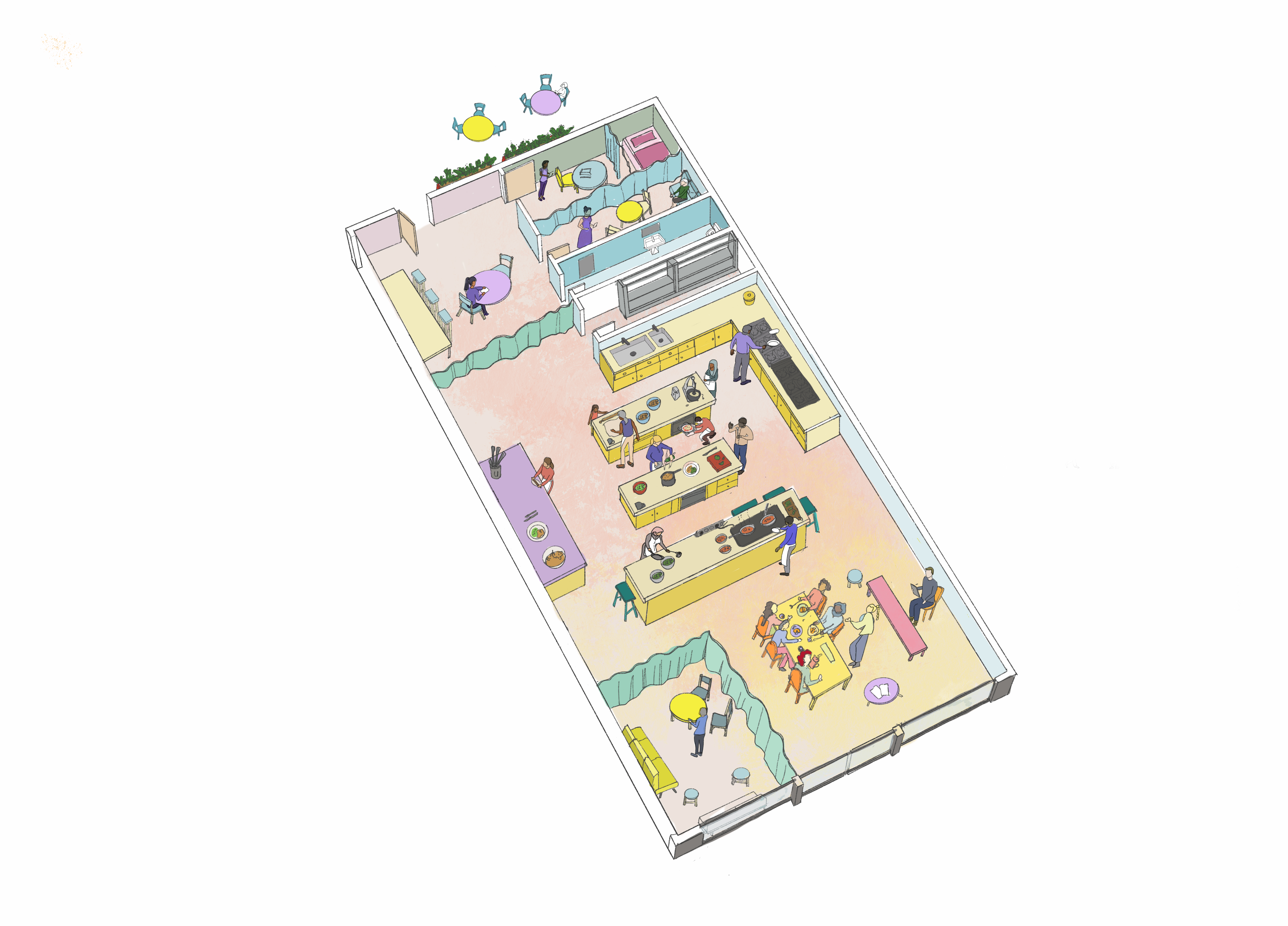

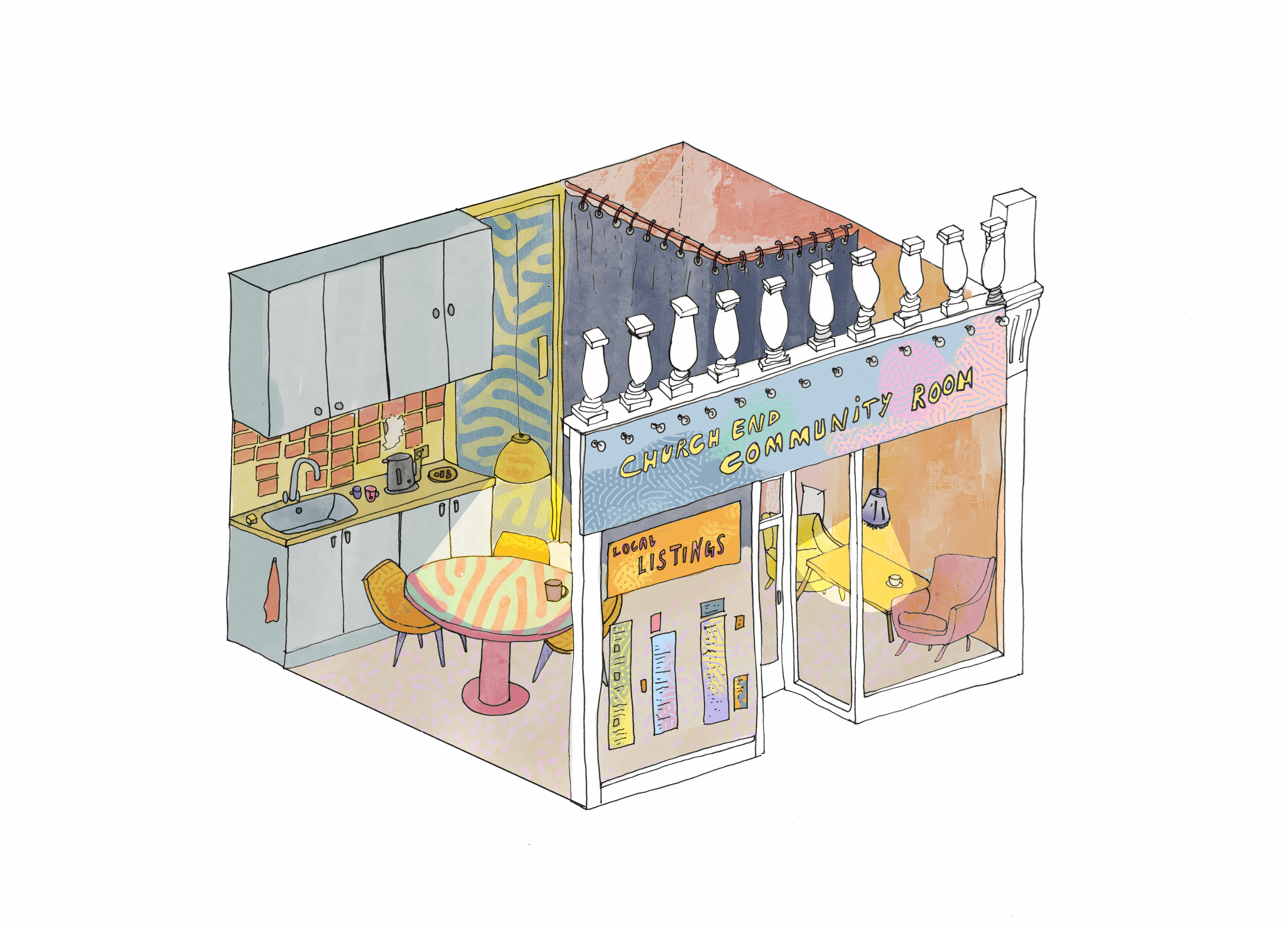
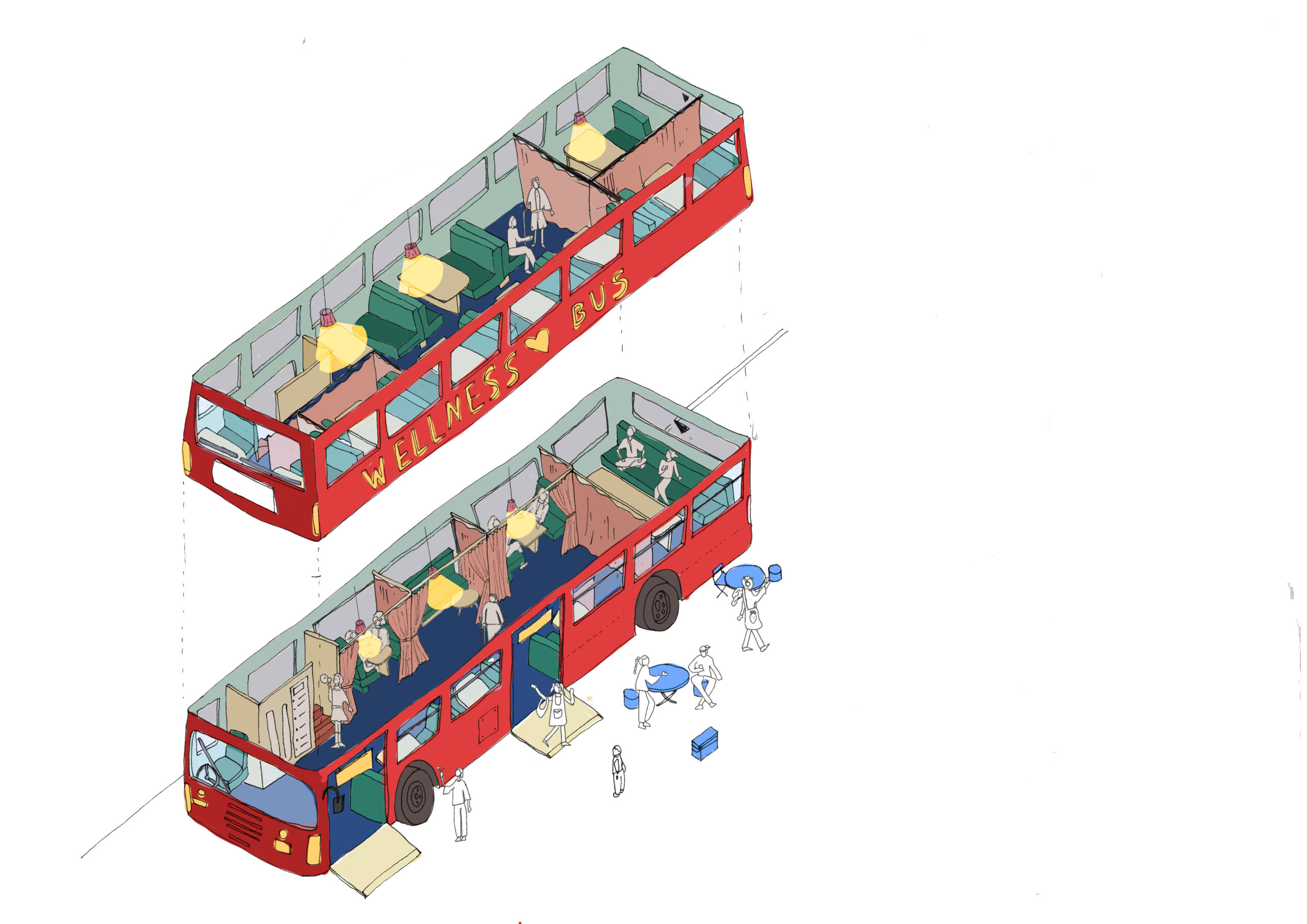
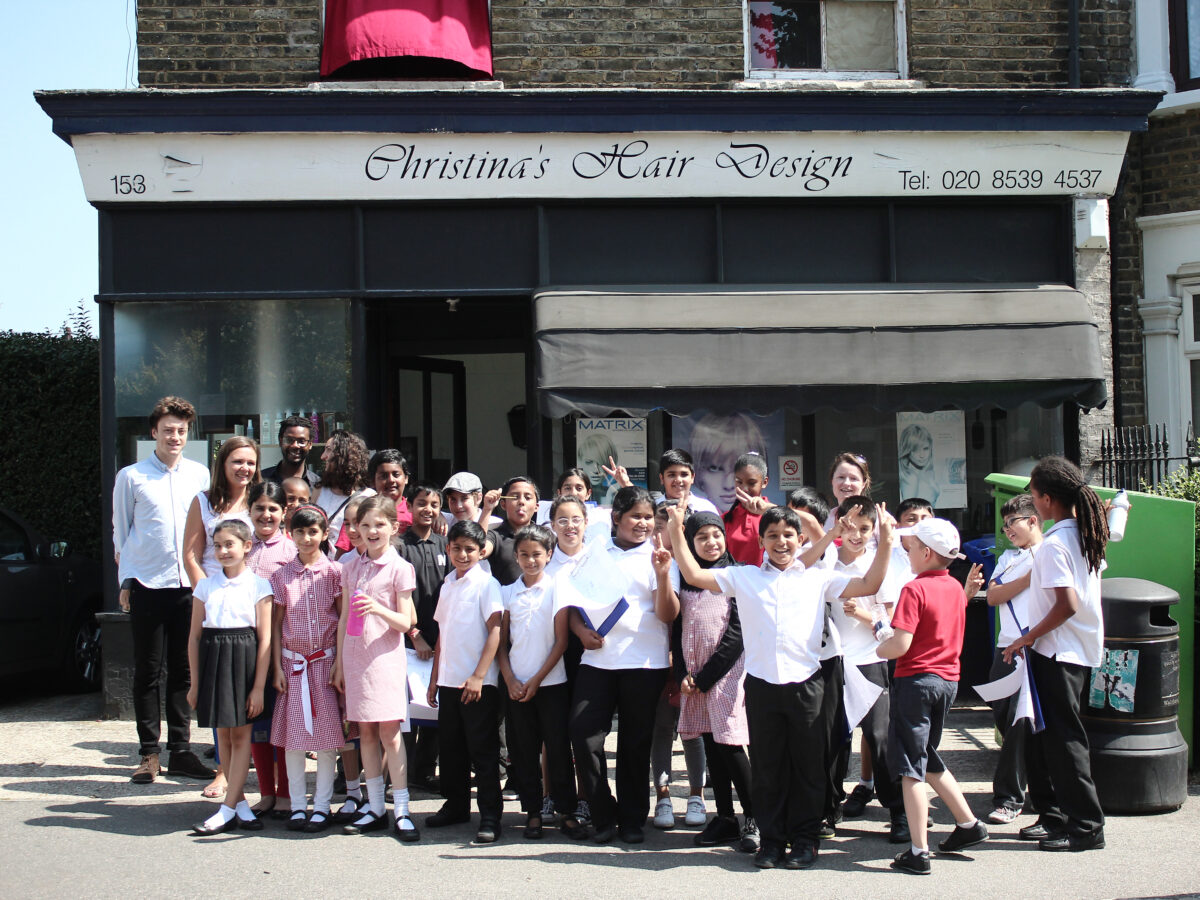
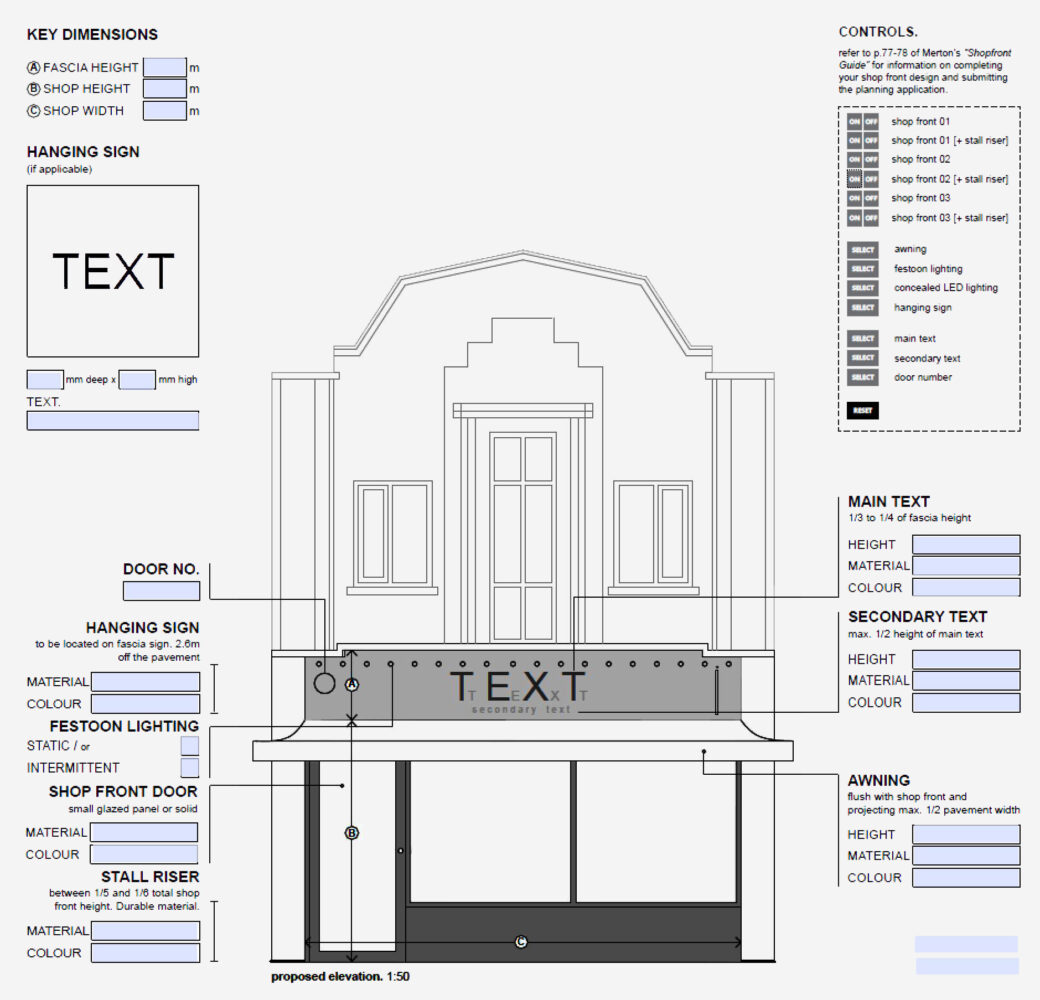
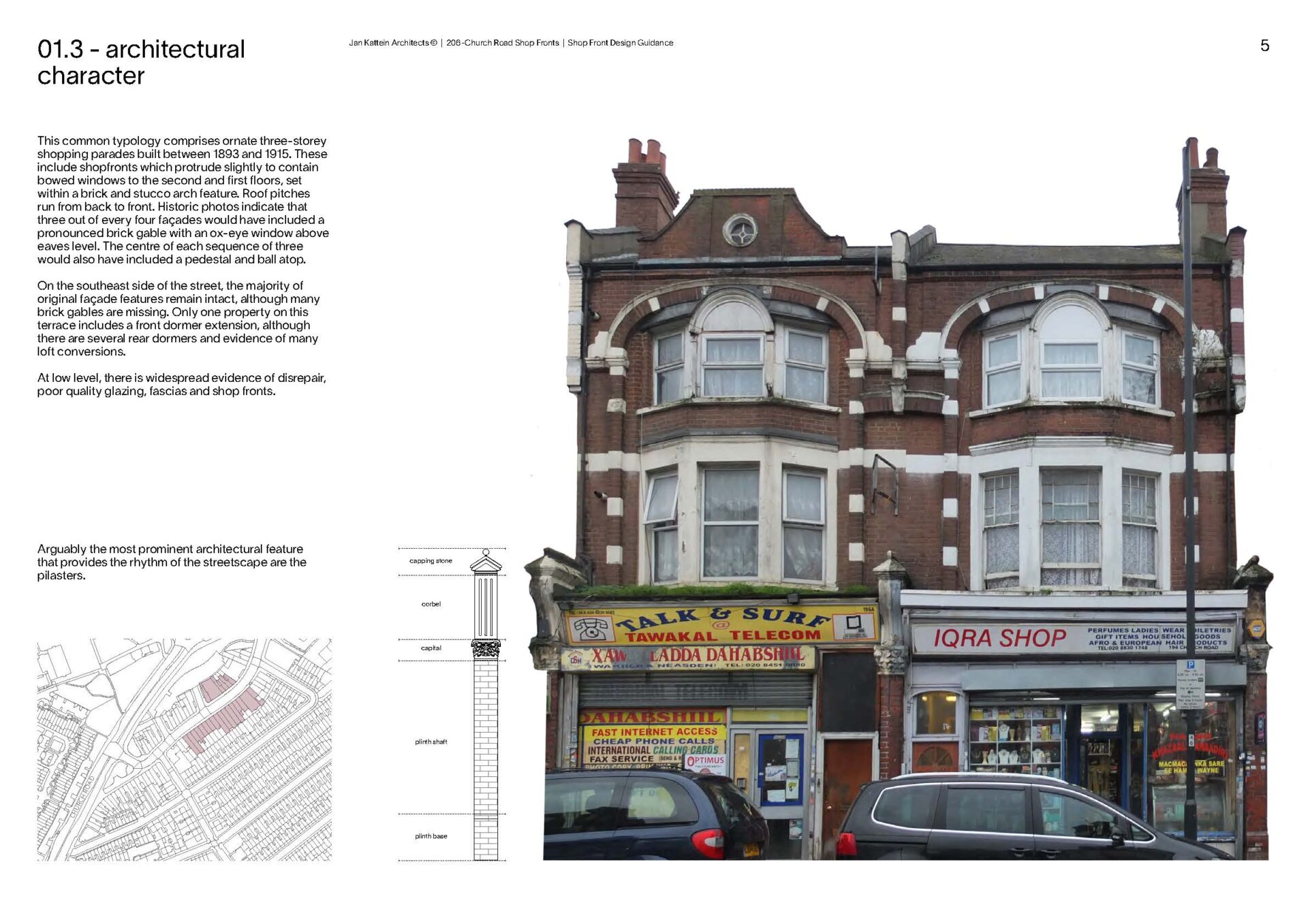
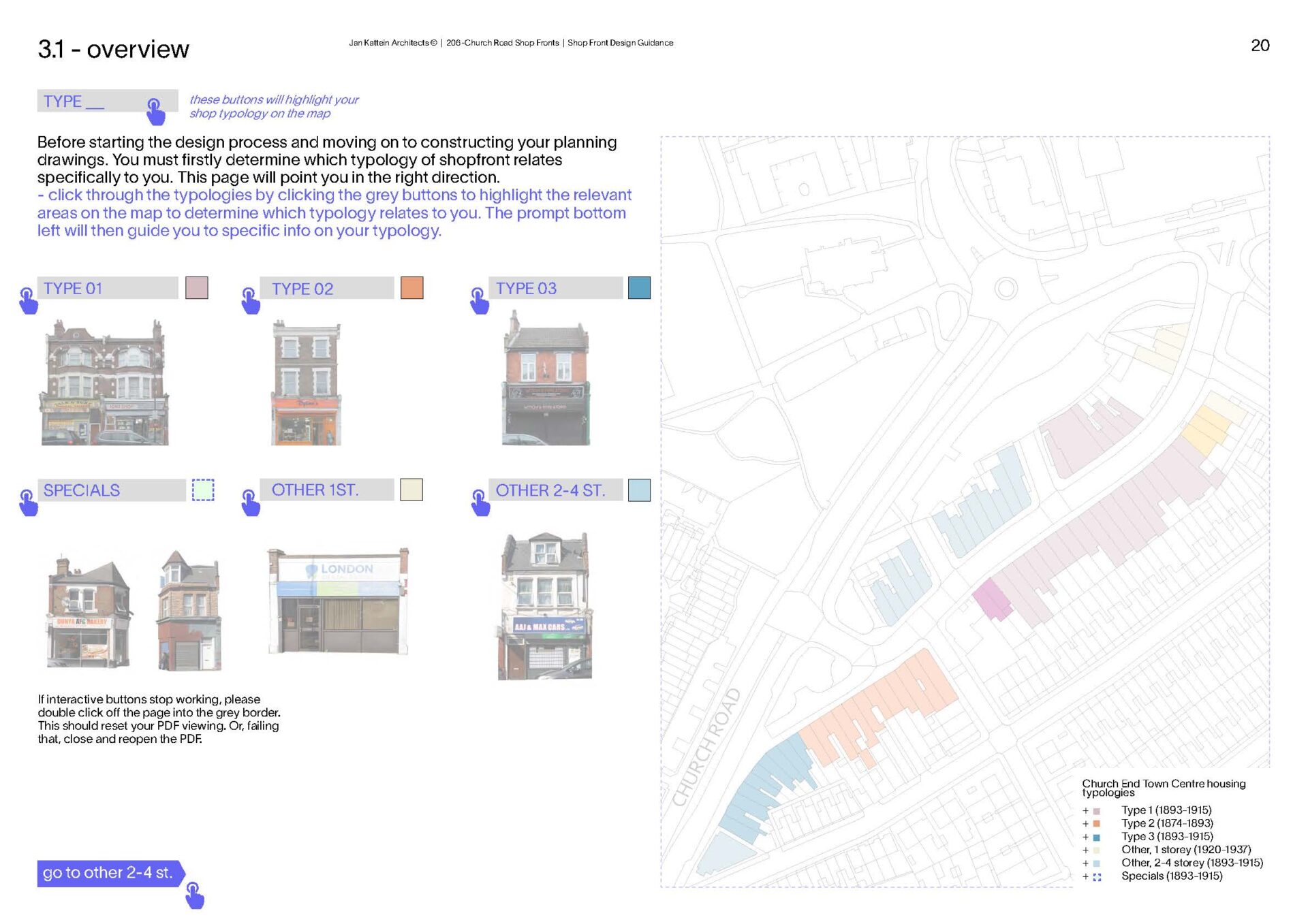
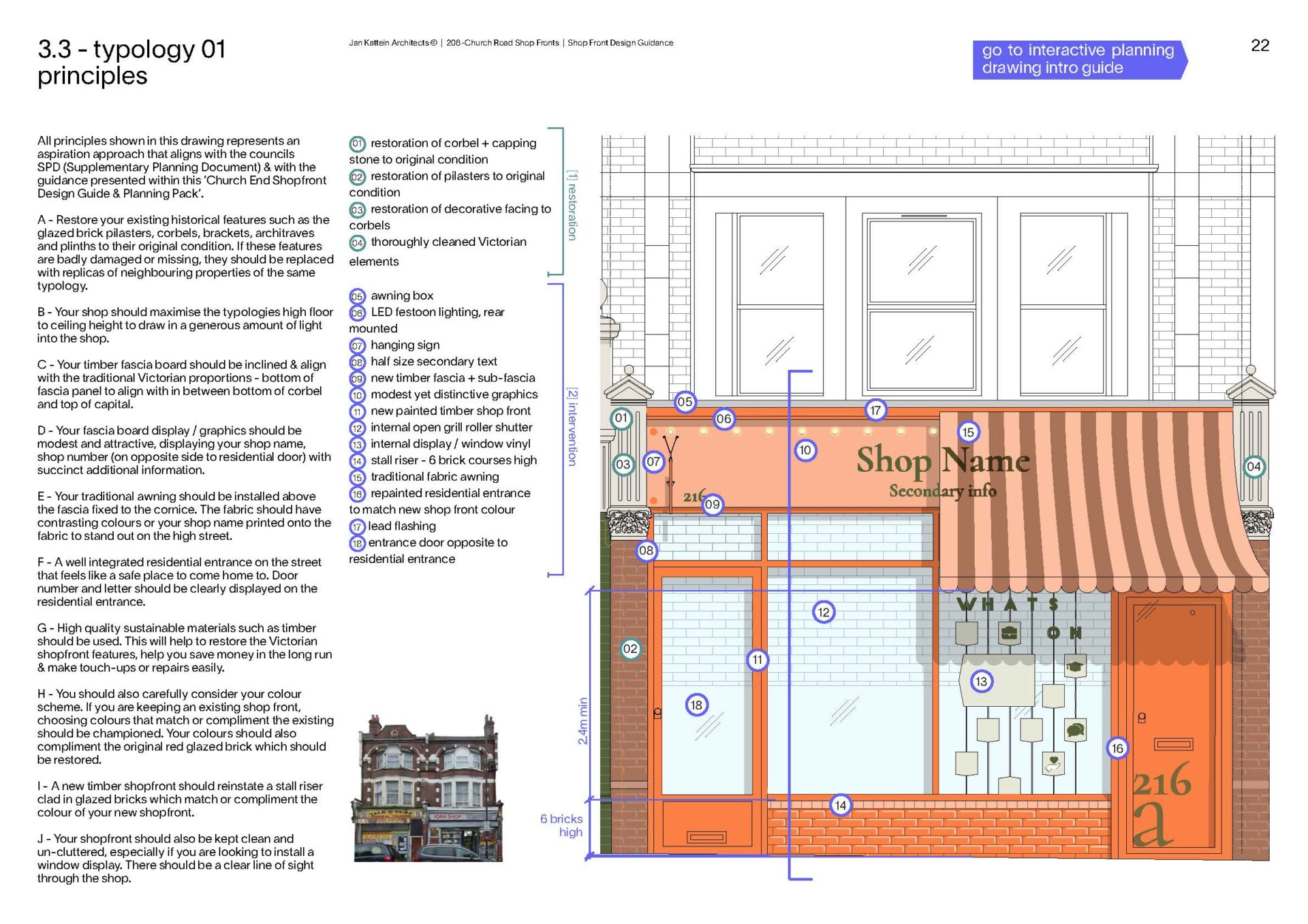
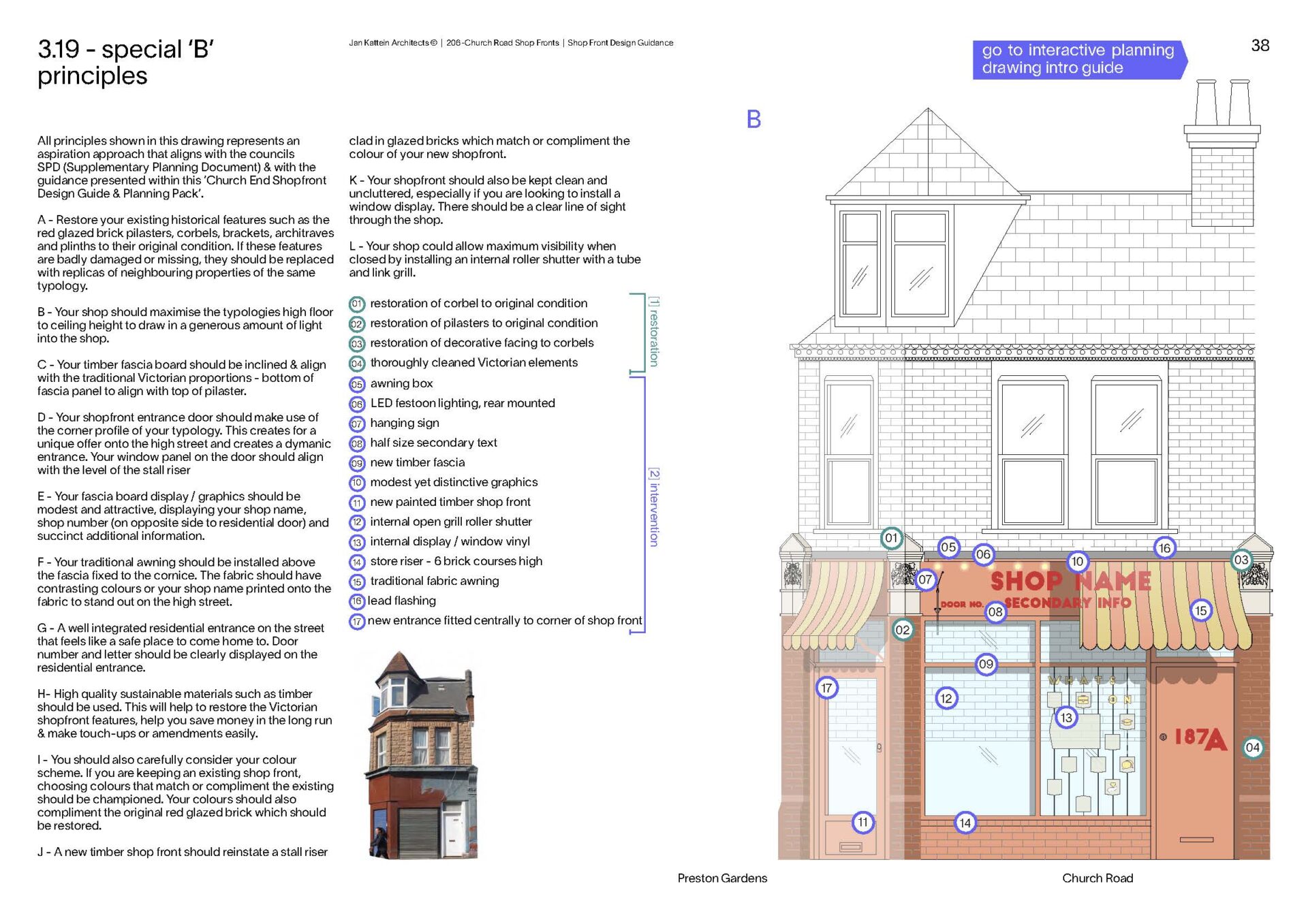
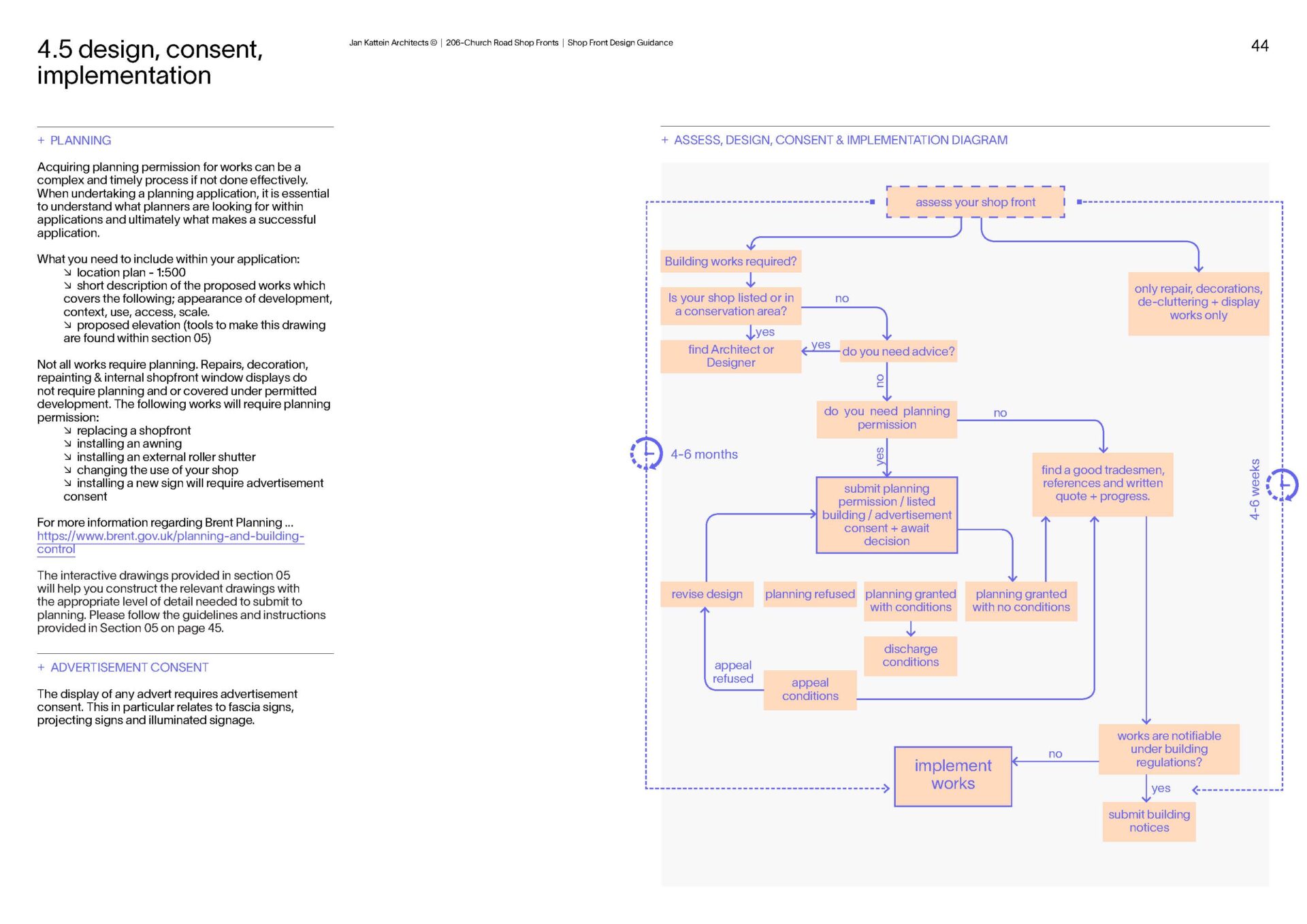
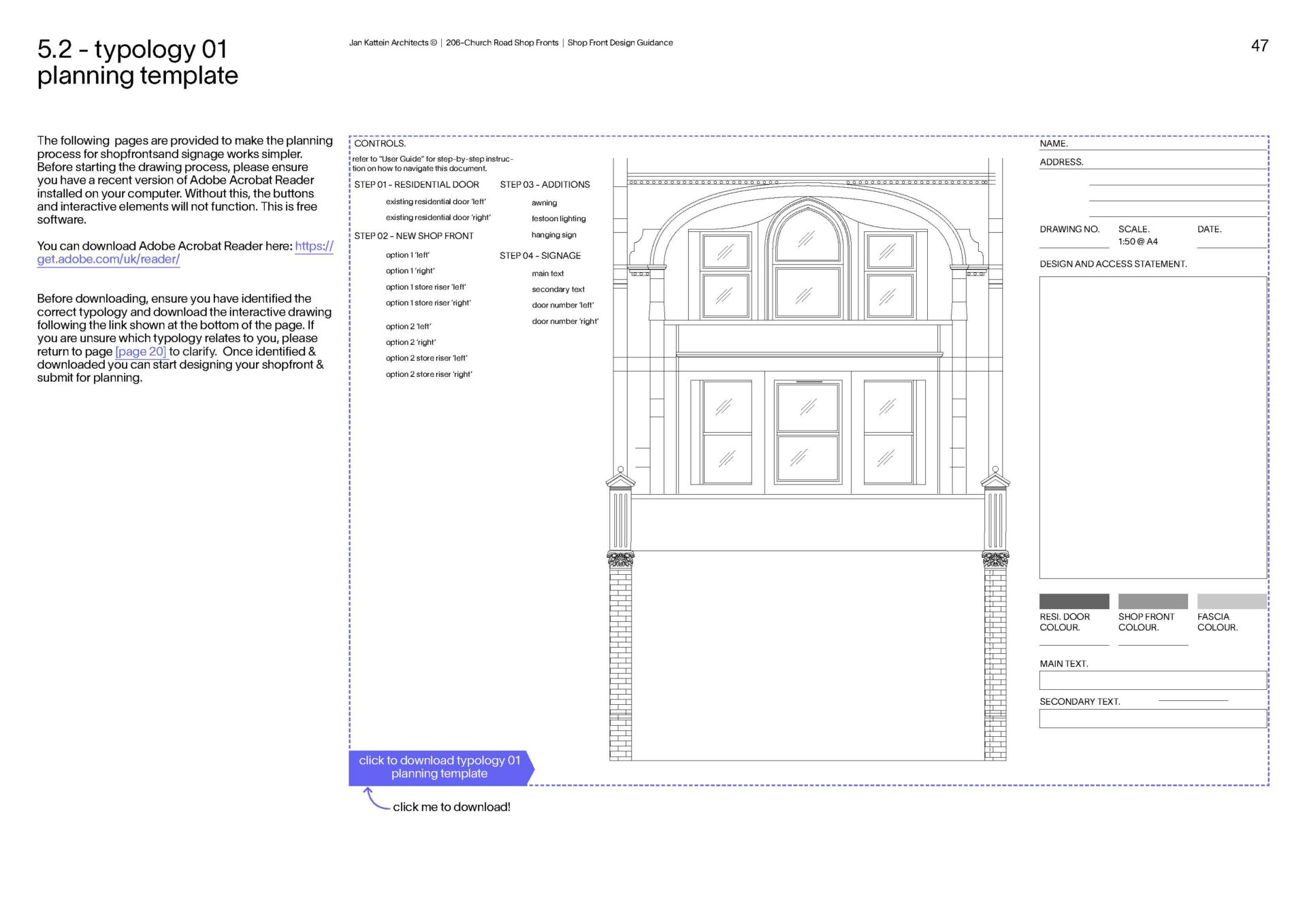
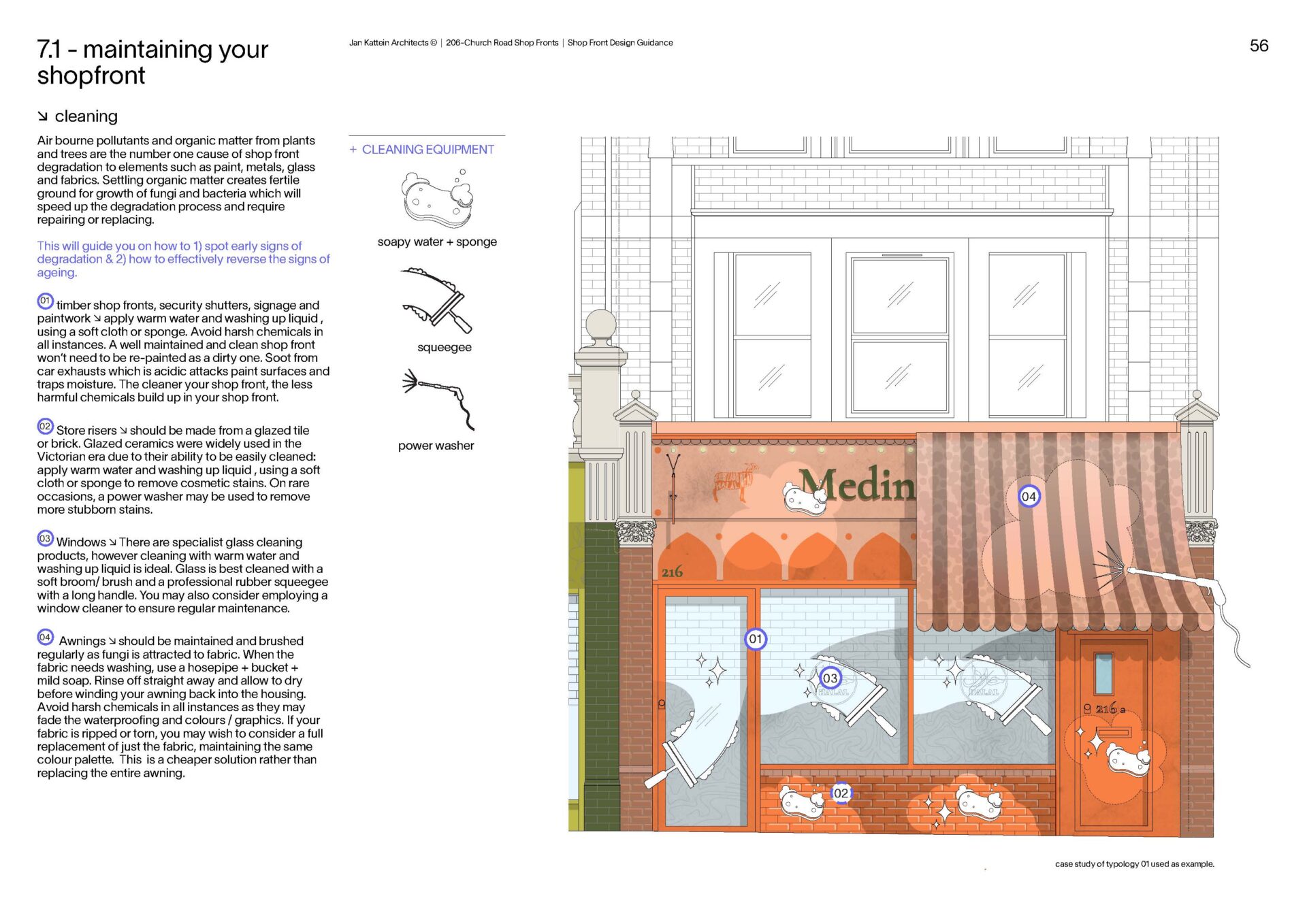
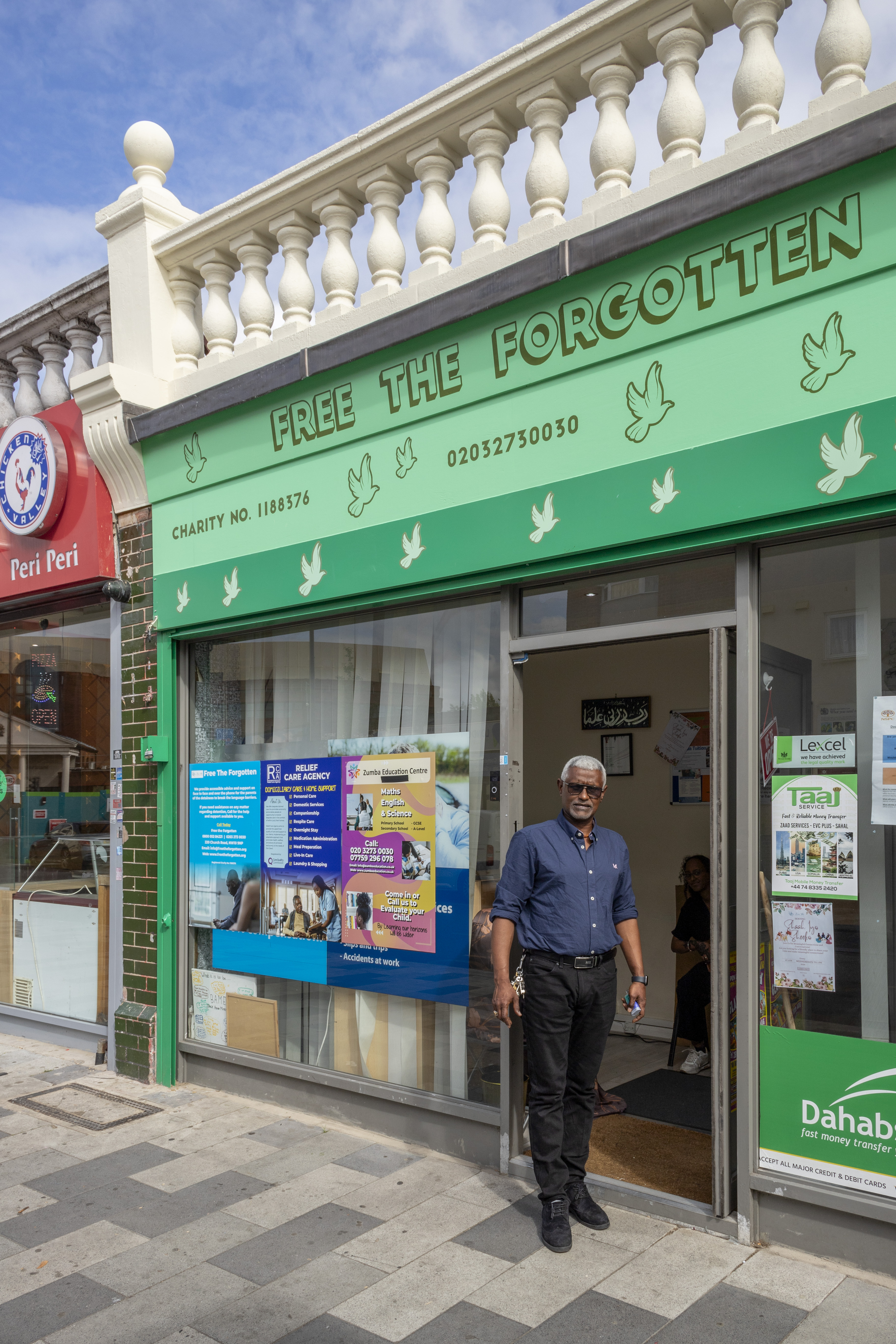
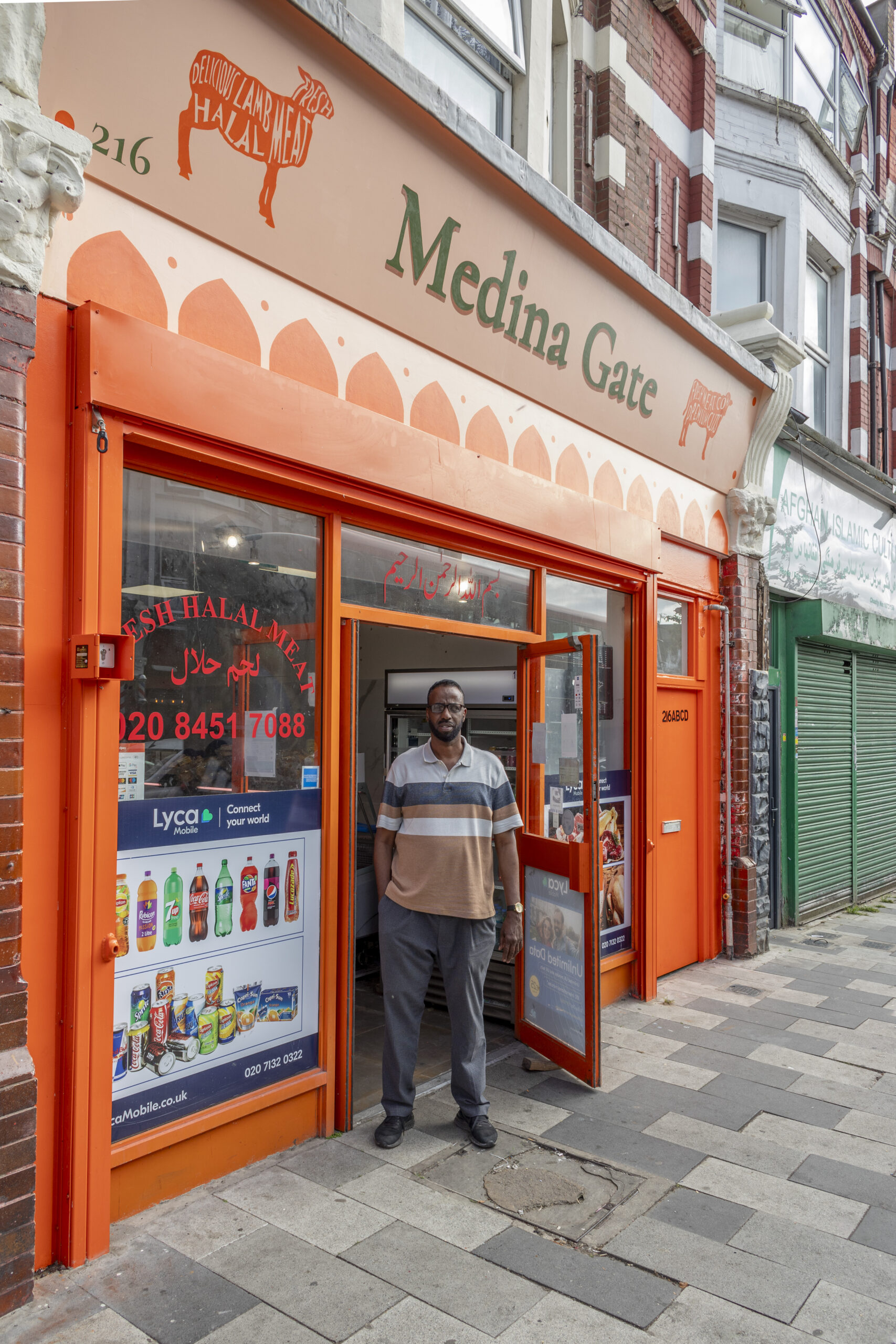
In parallel, we began a pilot scheme to show how shop front improvements can contribute to a welcoming, thriving high street. By coupling detailed design guidance specific to Church End’s particular shop fronts with a set of interactive planning drawings and the delivery of three exemplar shop front refurbishments, the scheme provides a clear road map for business owners to improve their own premises in a way that contributes to the appeal of the high street as a whole.


The broad set of challenges facing Church End, together with its fractured communities, have required a gradual approach that builds trust in the Council’s capacity to deliver while ensuring that local stakeholders are given the chance to play their part.
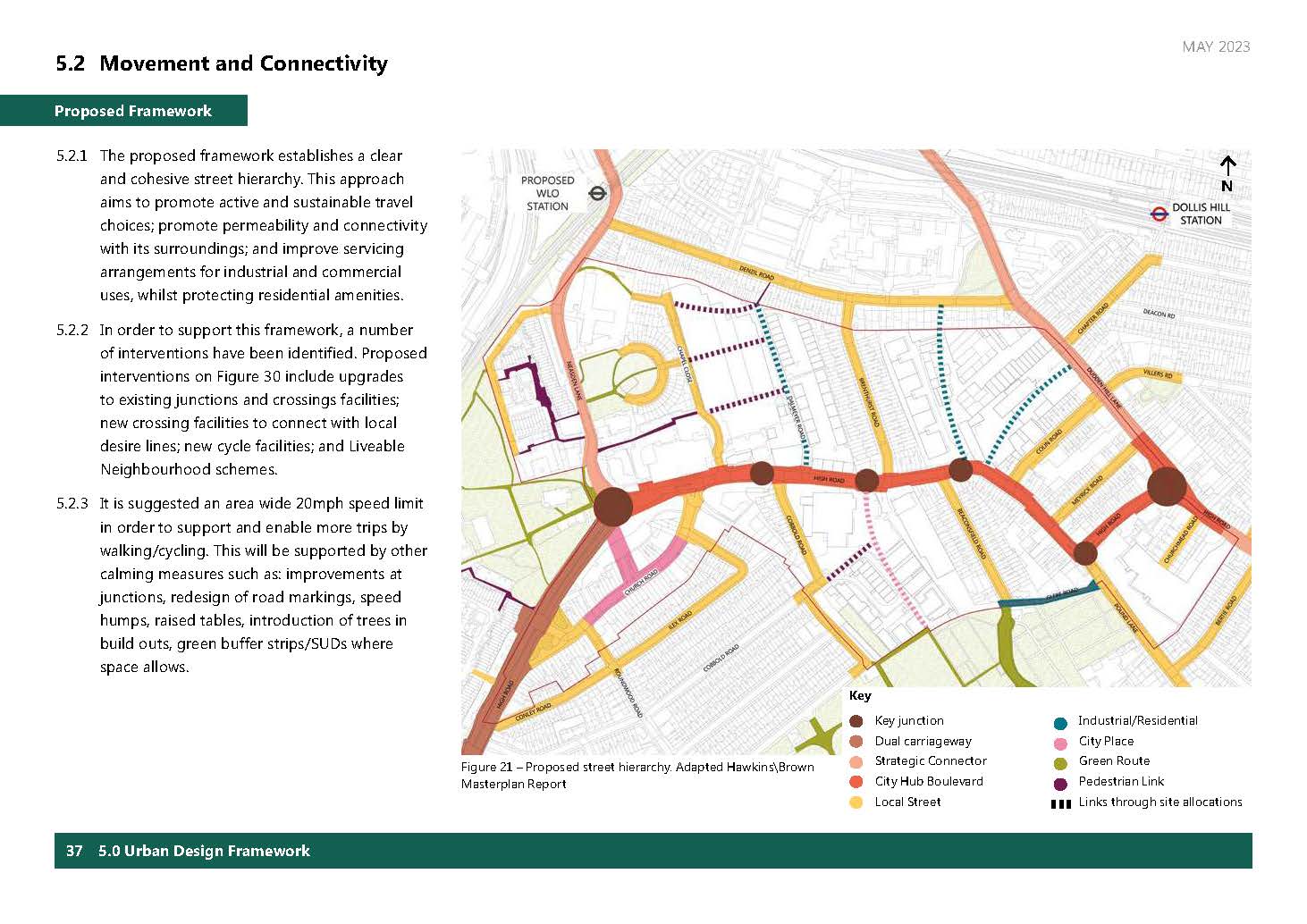
An important step change began when highways improvements works completed in 2023, allowing the weekly market to move onto the high street itself, keeping a vital part of the town centre economy in place while its former car park site is re-developed. Completed shop front improvements are setting a new tone at the eastern end of the high street, where a new creative space for young people operated by local youth organisation United Borders is due to open in 2026.