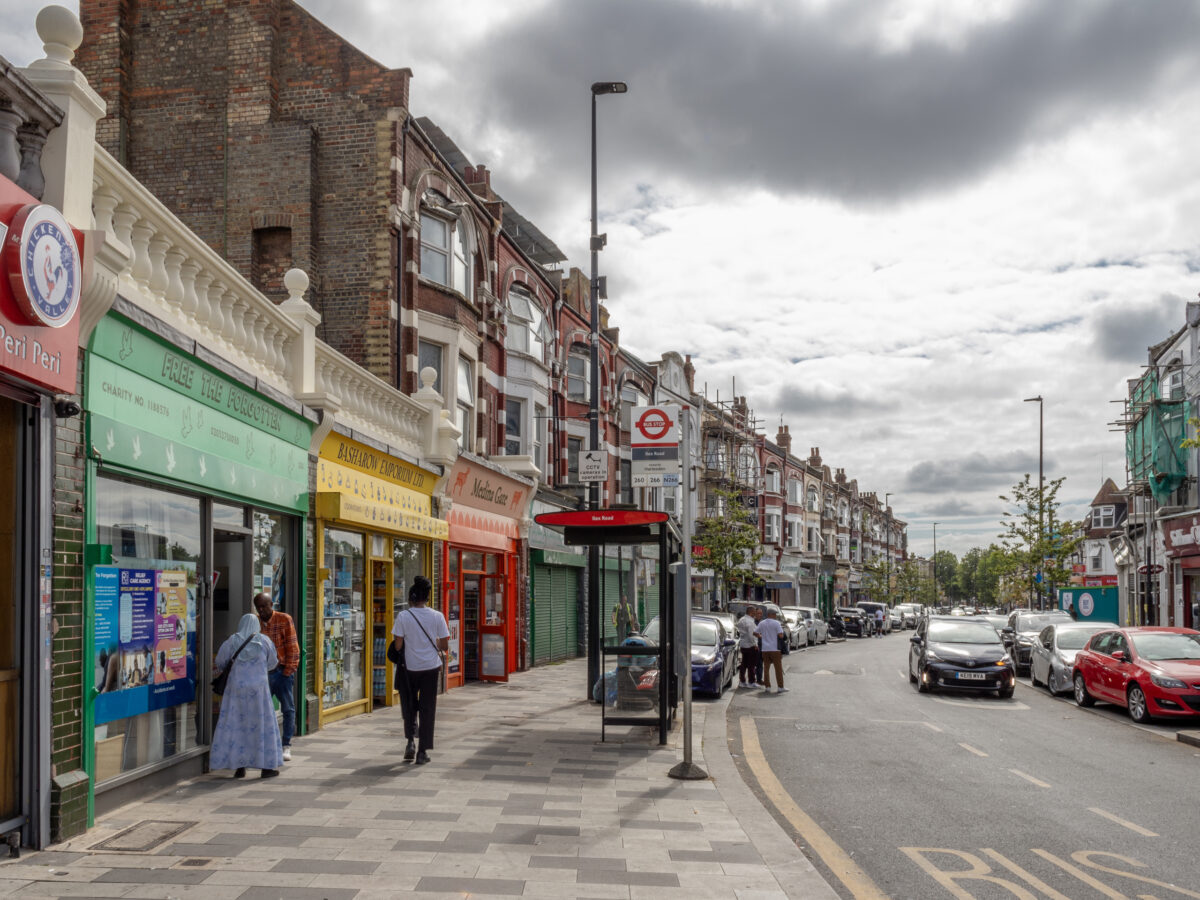
Merton Town Centres
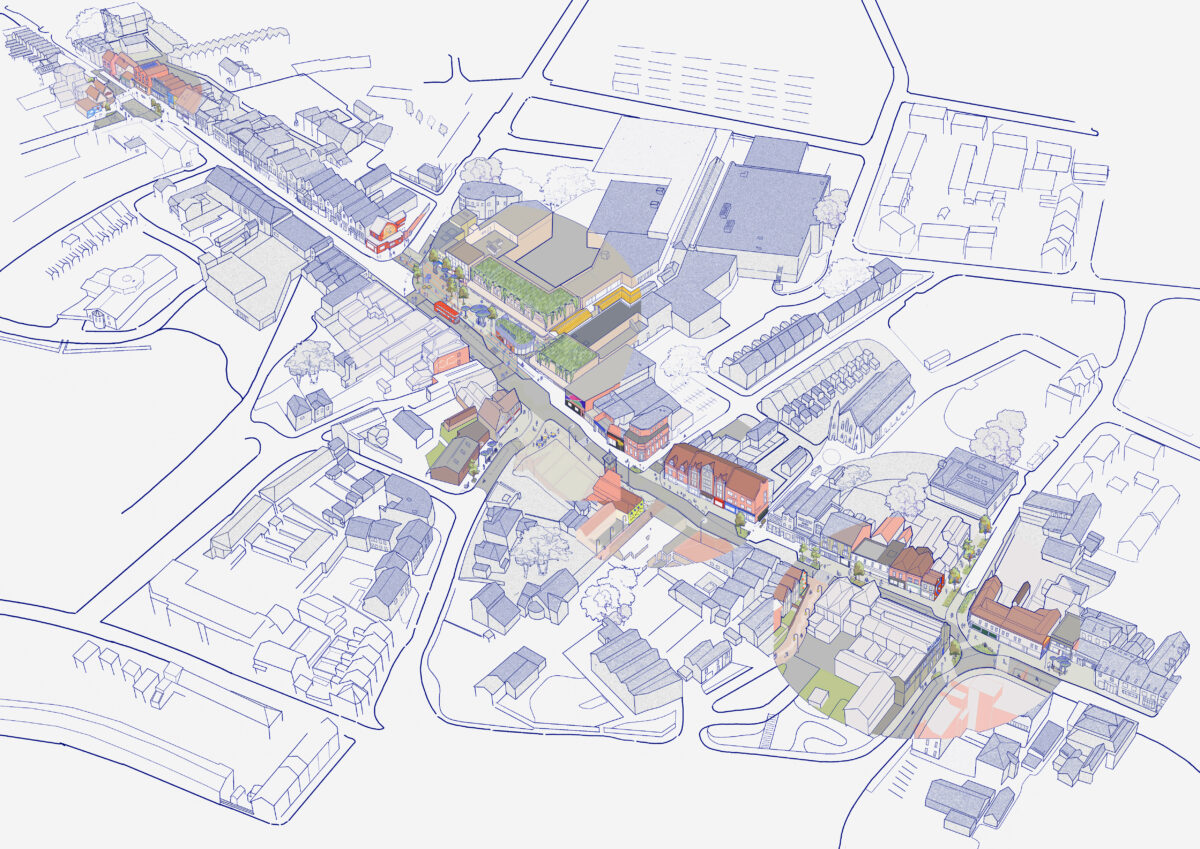
Fine urban grain and multiple ownership are common characteristics that contribute to the liveliness of a town centre. In Merton, a fresh approach to planning policy actively enables businesses wanting to make changes to take the right decisions balancing coherence and diversity.
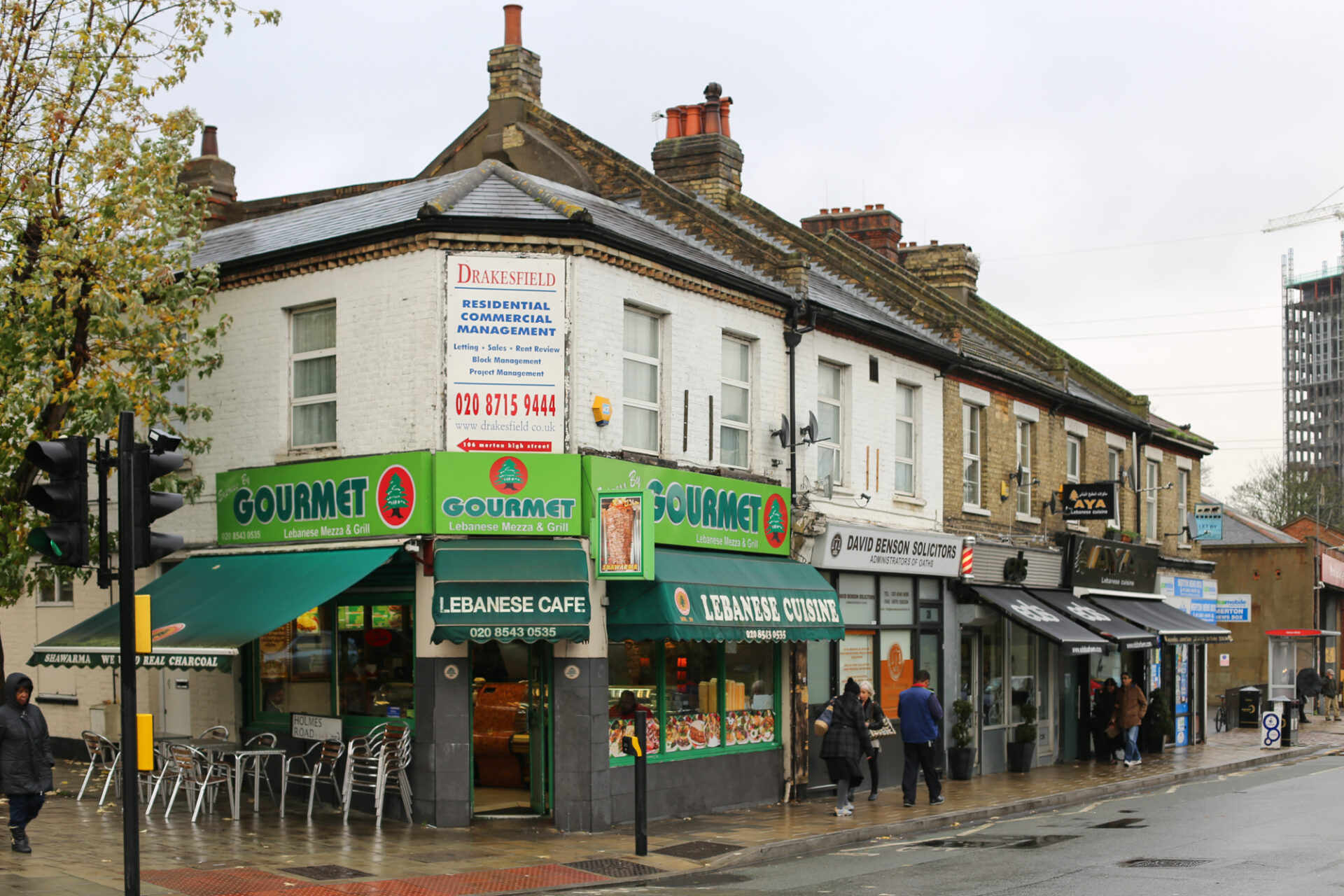

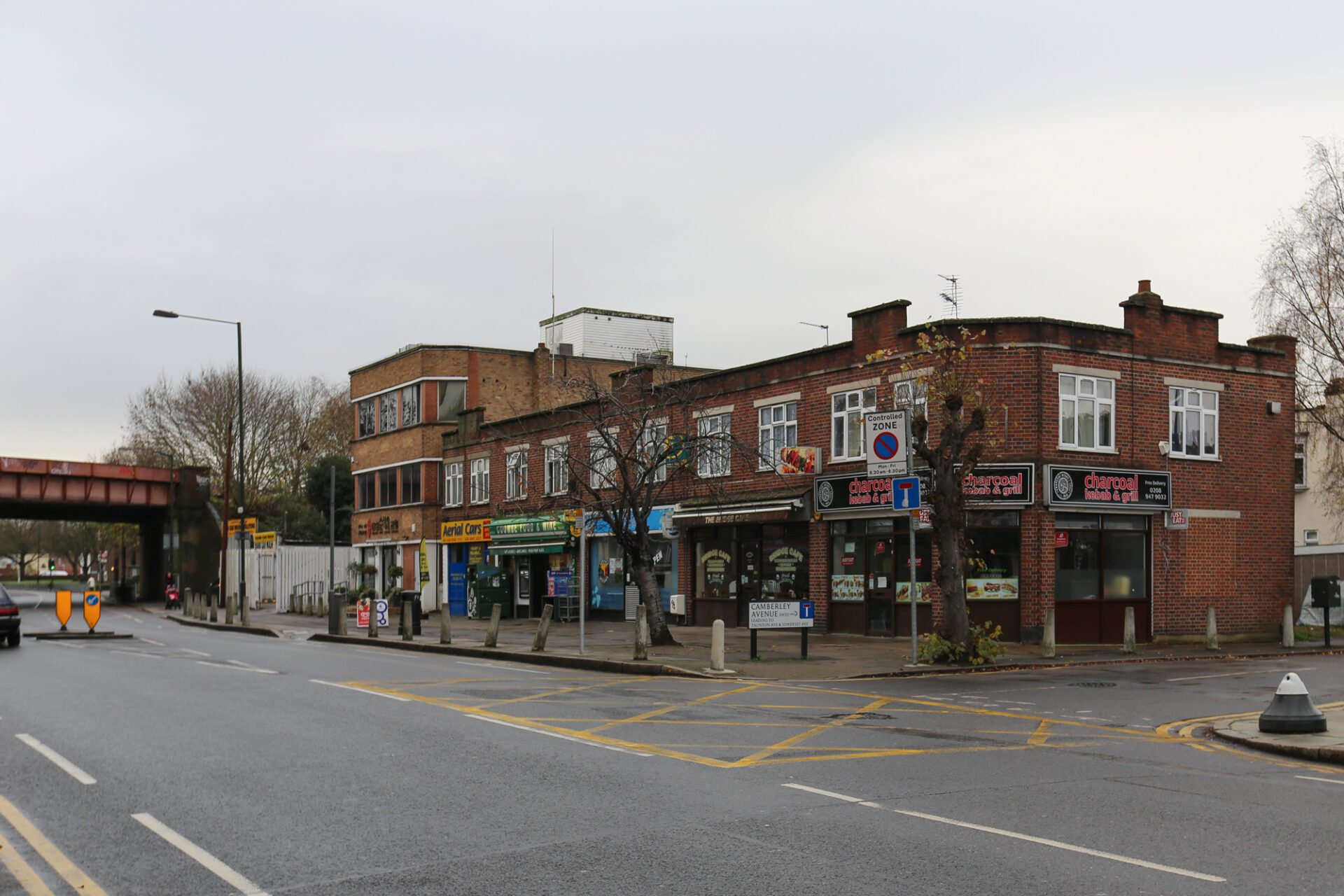
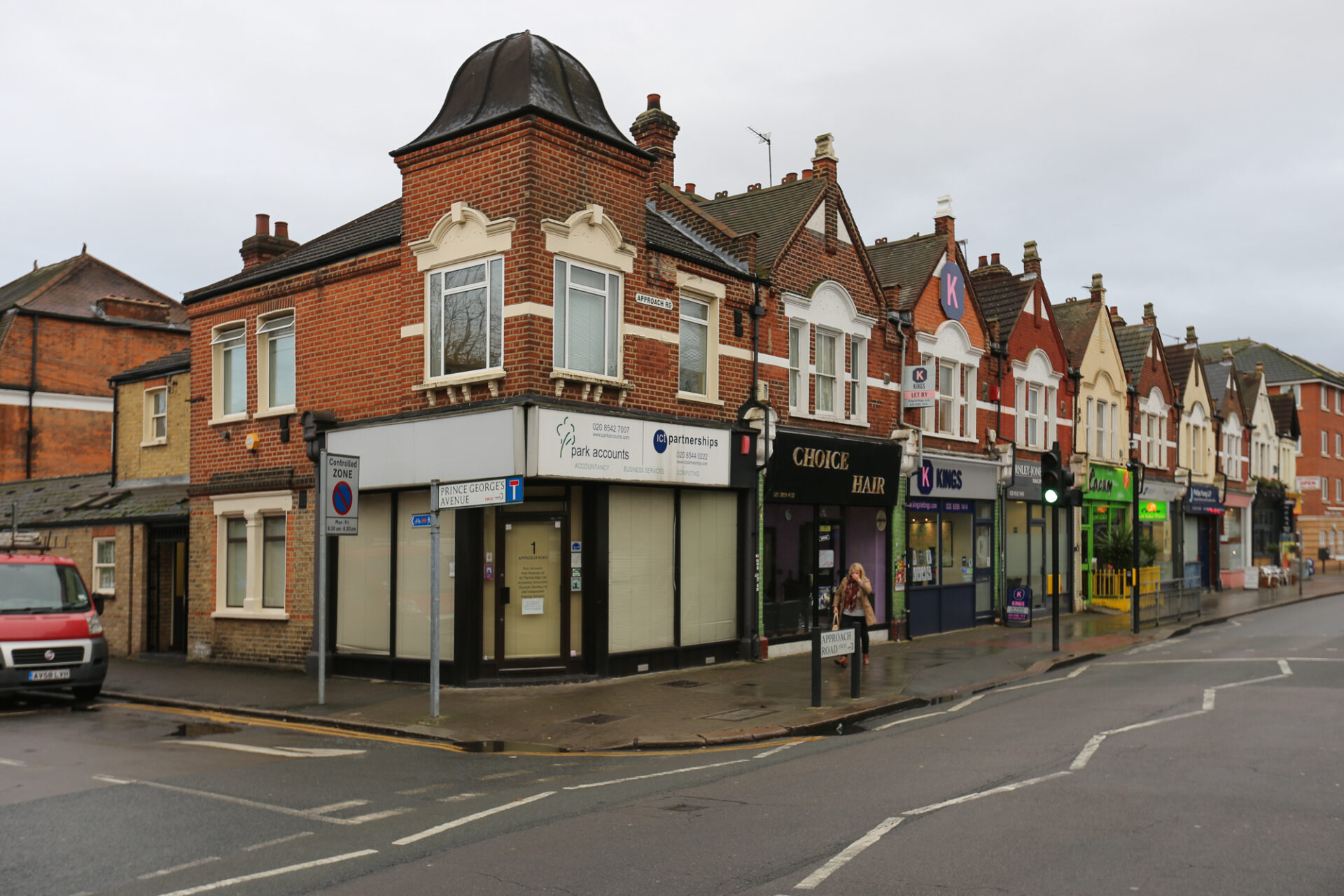
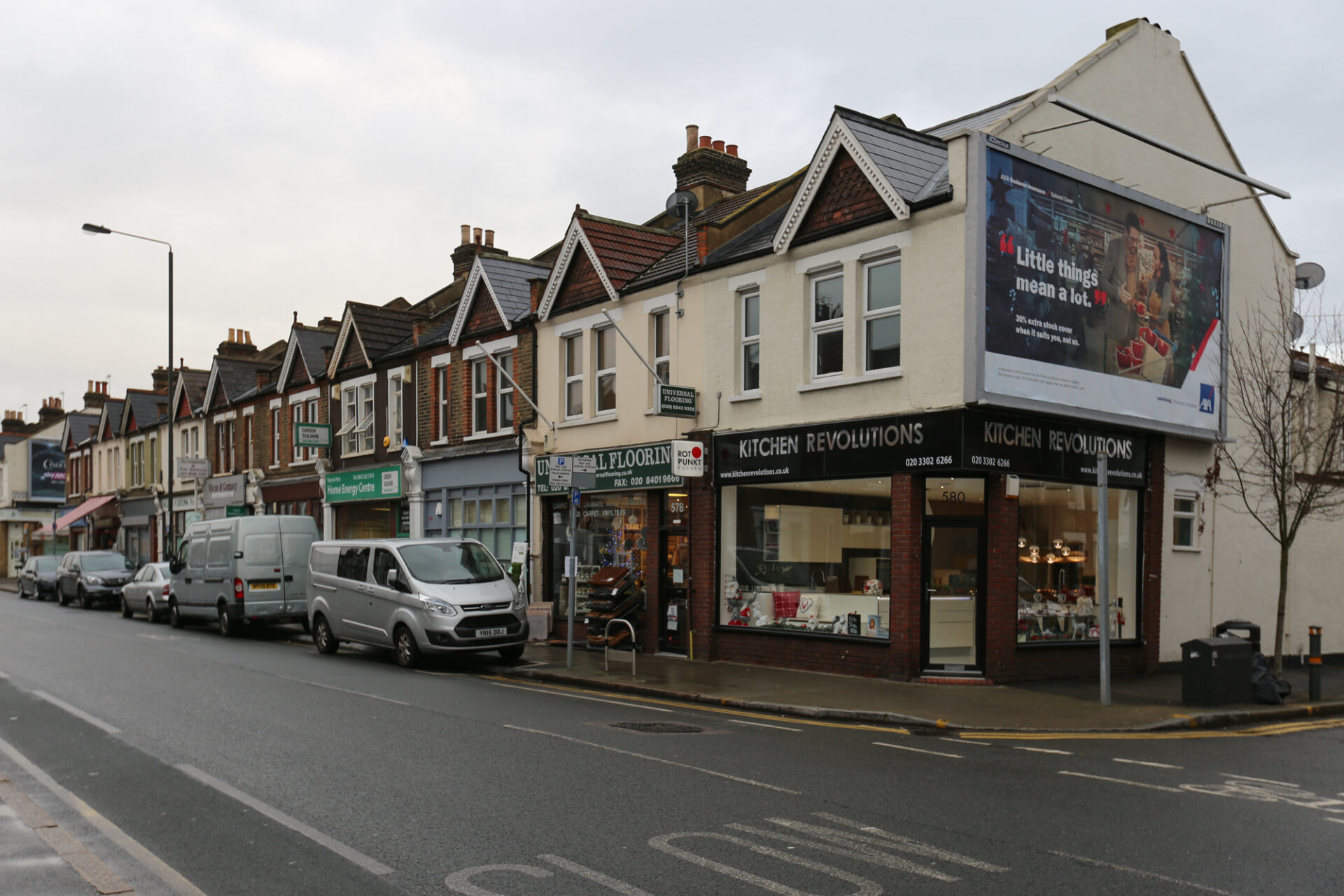
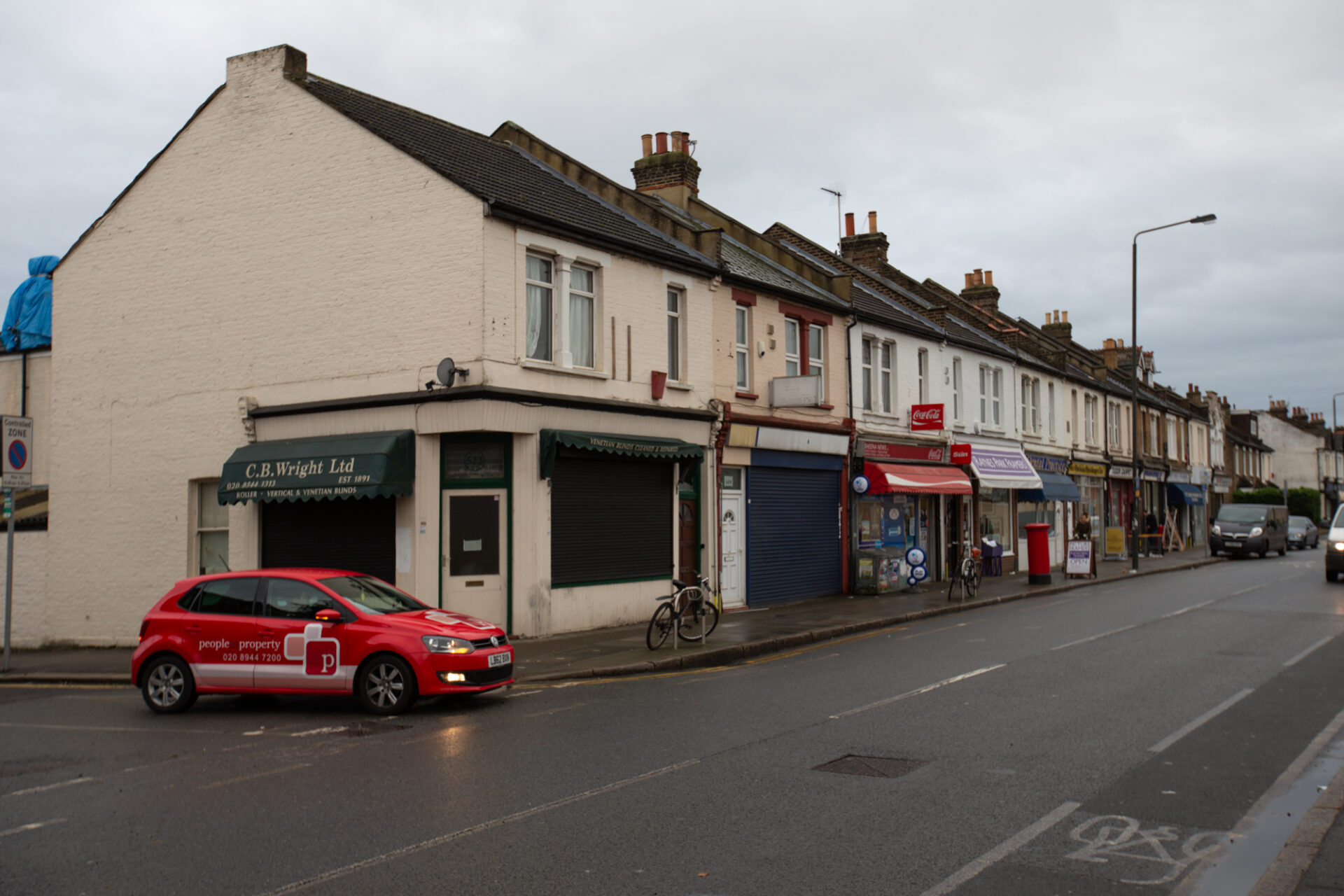
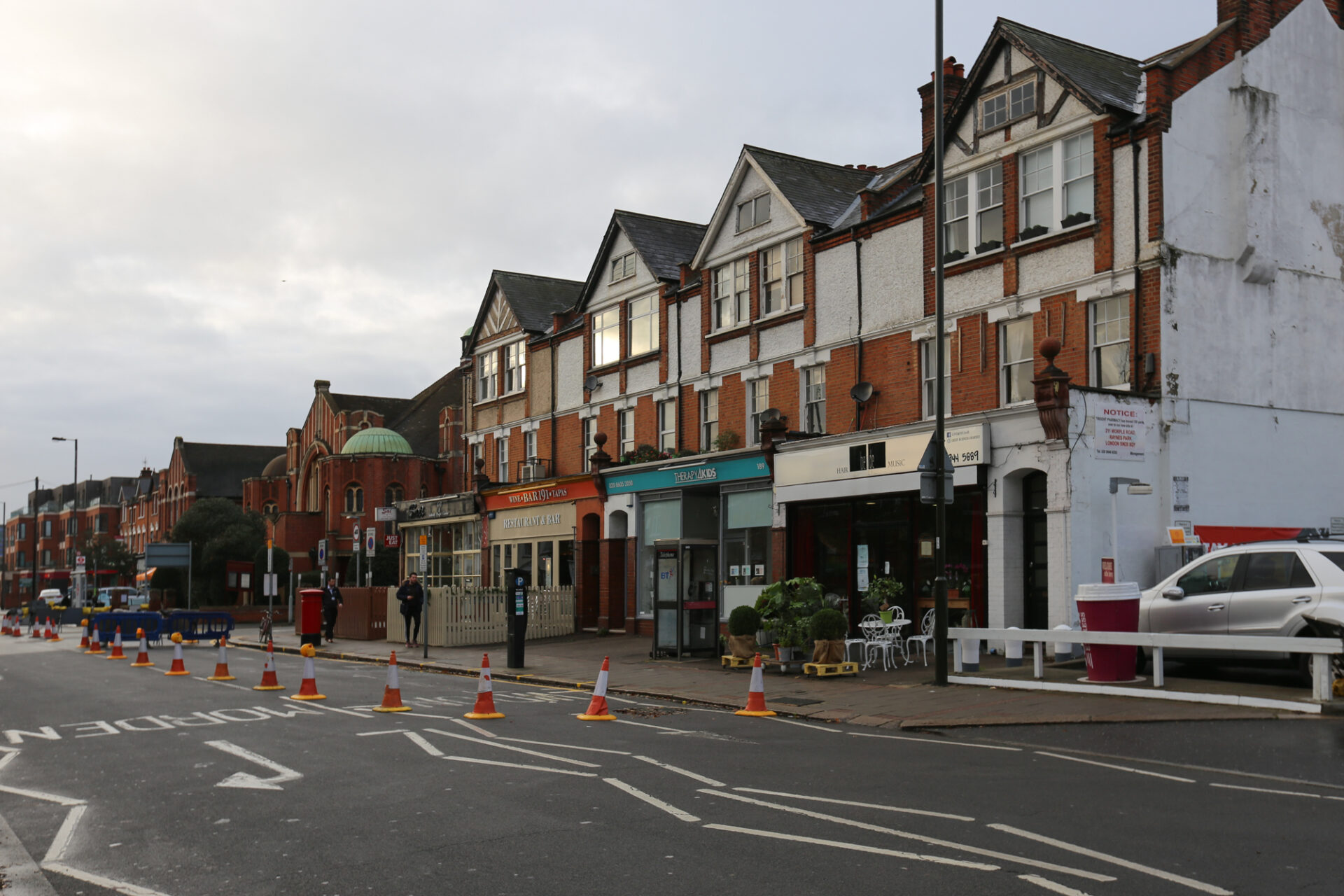
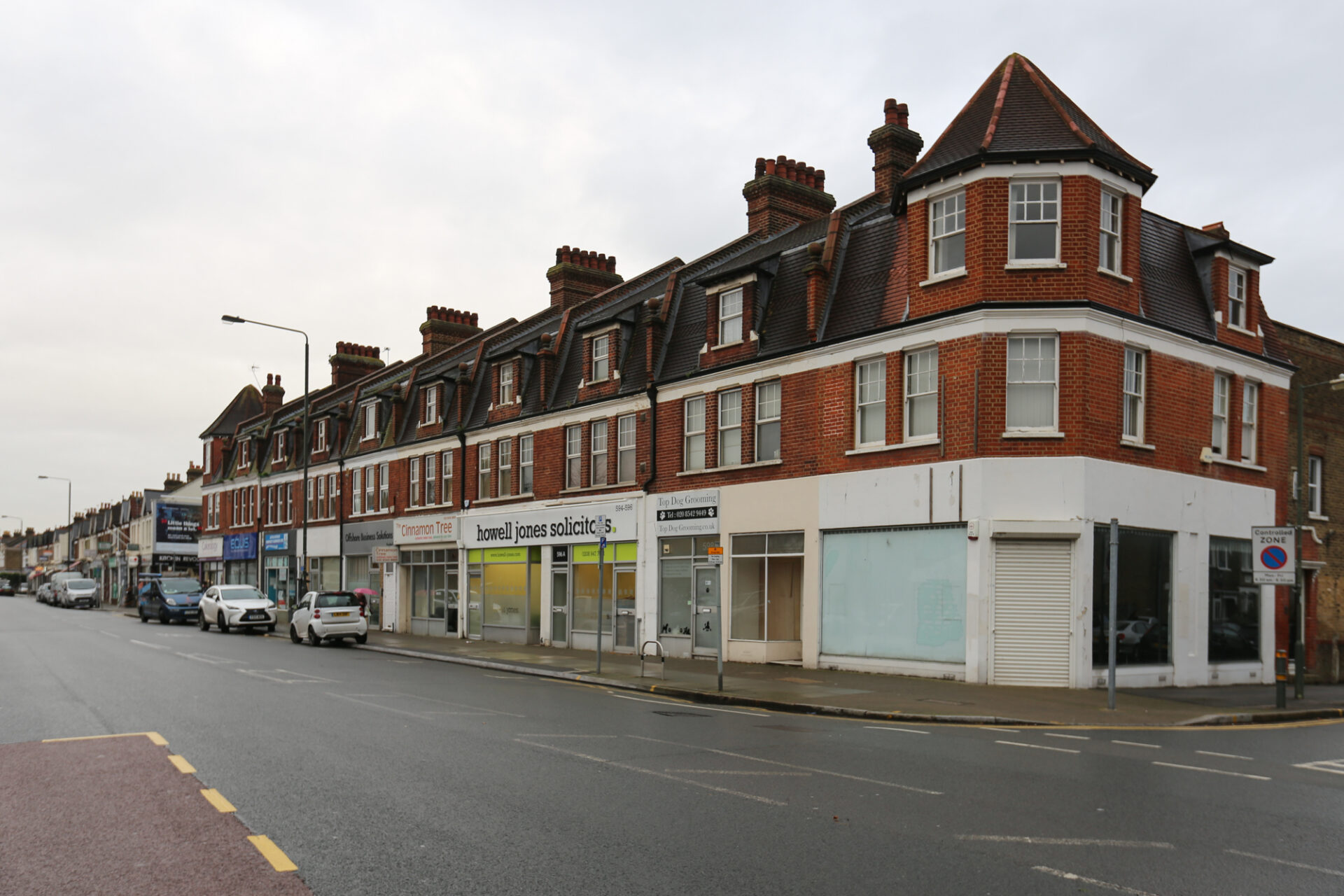

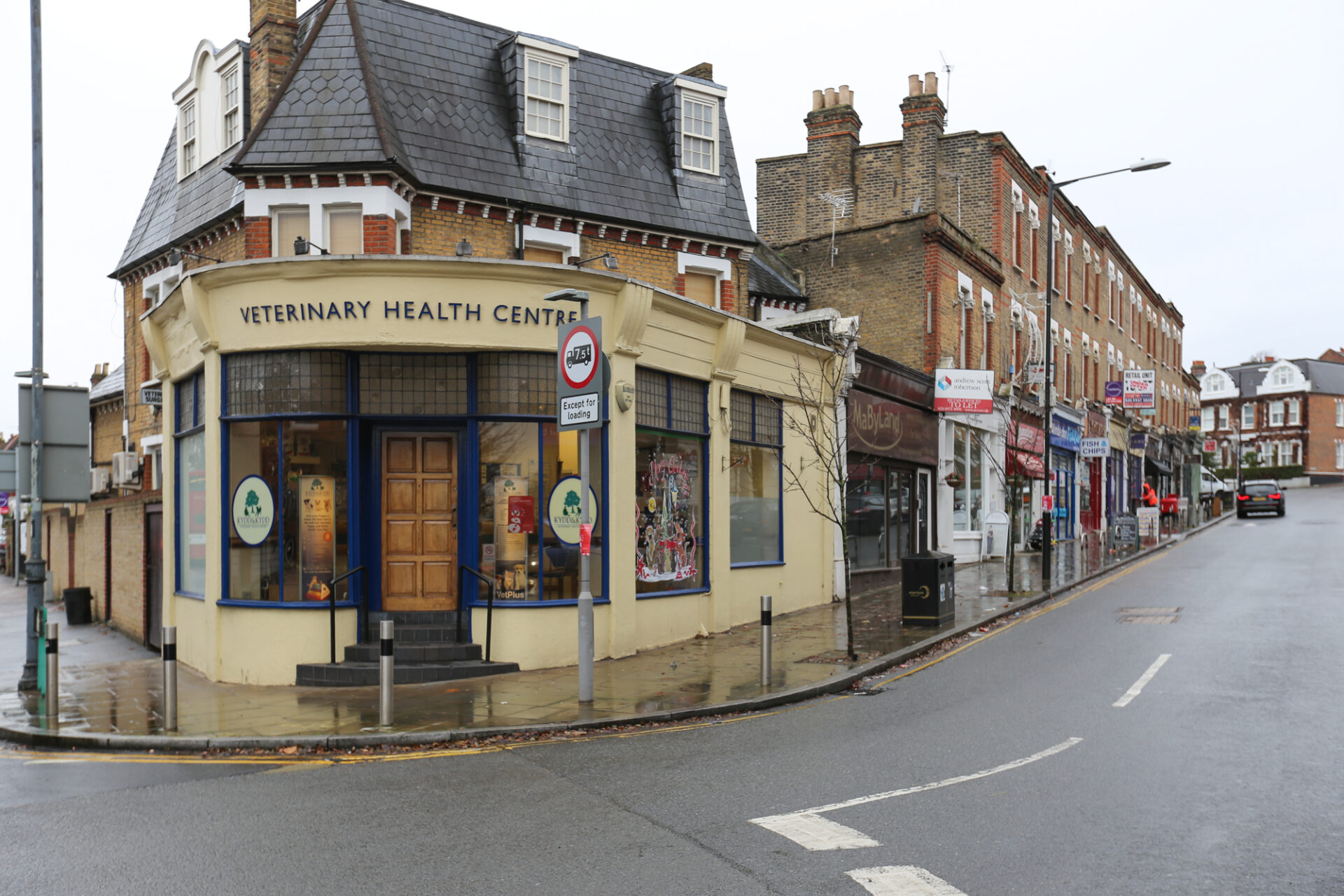
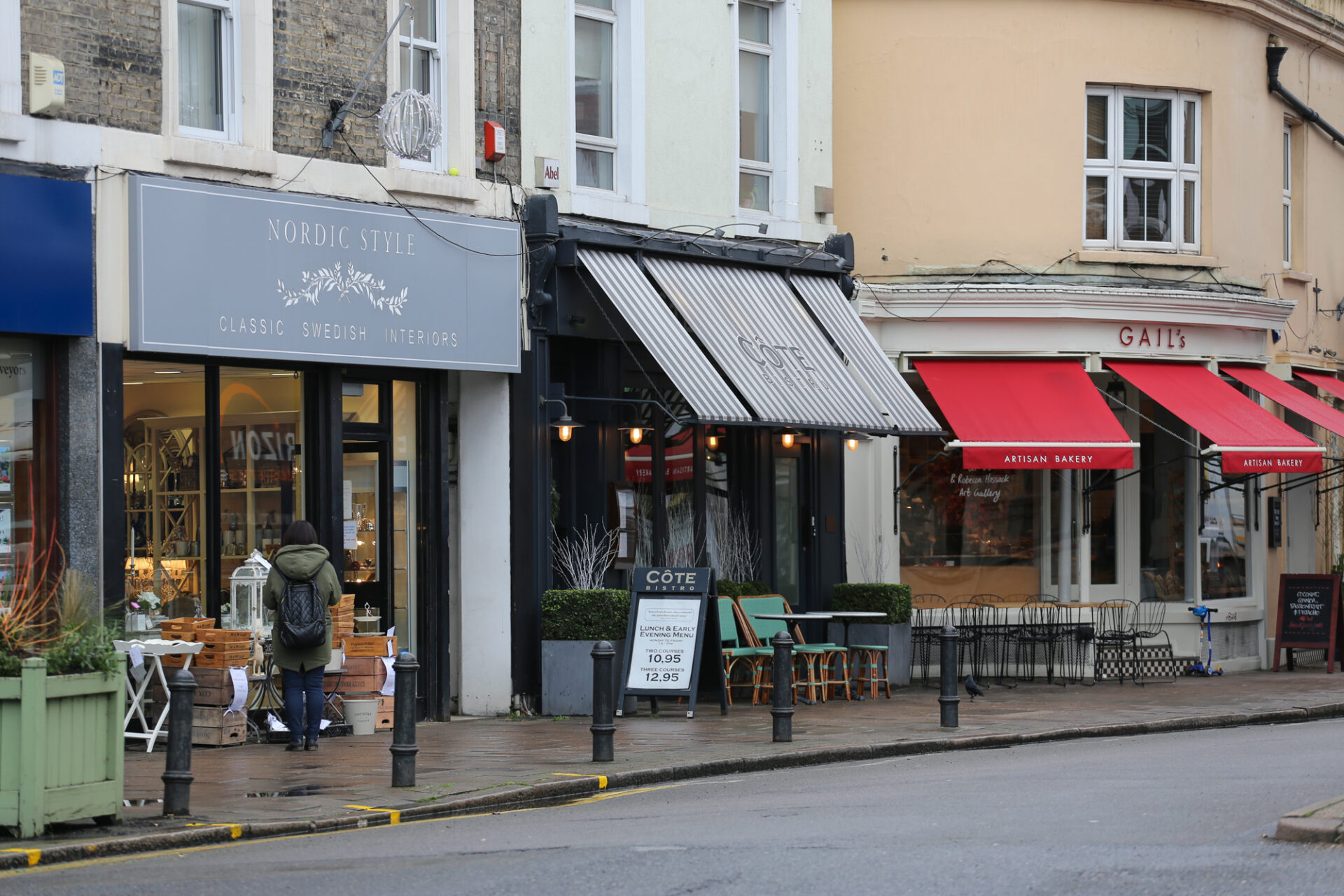
Merton has a wealth of local high streets with a spirited architectural character, with some particularly exuberant early 20th century shopping parades. However, these high streets face challenges in common with many outer London boroughs. Competition from online retail and successive economic woes have challenged existing trading models.
This environment can deter businesses from investing confidently in high quality, enduring business frontages which will stand the test of time. Low quality shopfronts and fascia signage are quick to wear and weather, and cannot easily be repaired or re-branded. Poorly considered off-the-shelf products can contribute to a high street which feels cluttered, disordered and unloved. Combined with rapid churn and property vacancies, the result can be an unwelcoming high street which discourages people from spending time and a slow erosion of civic pride.
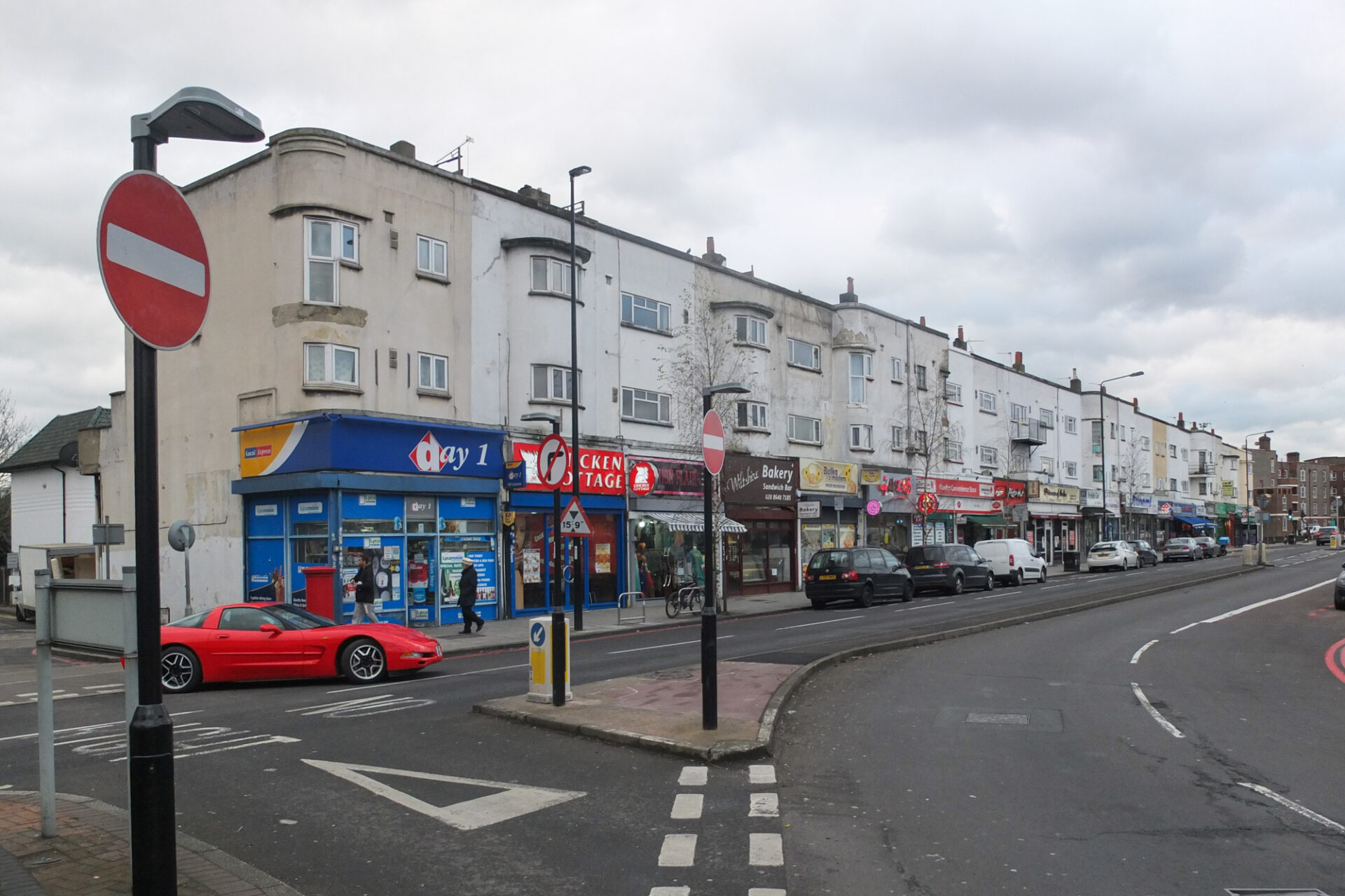
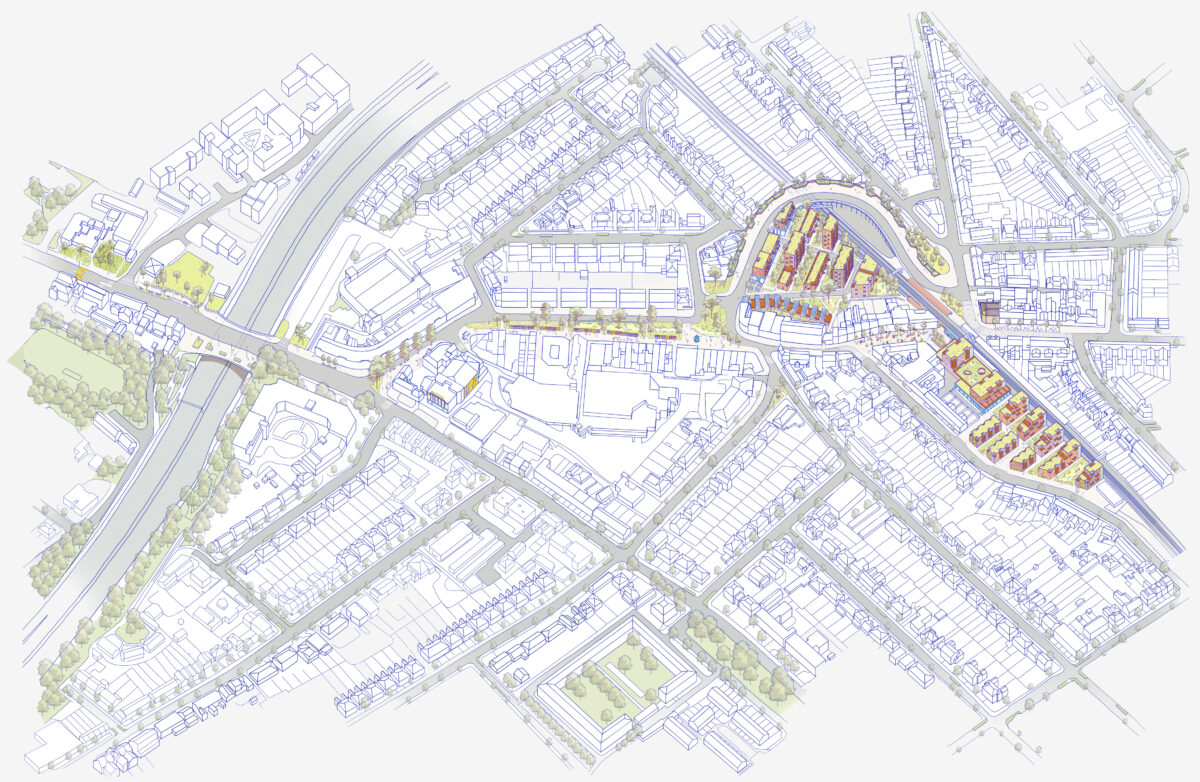
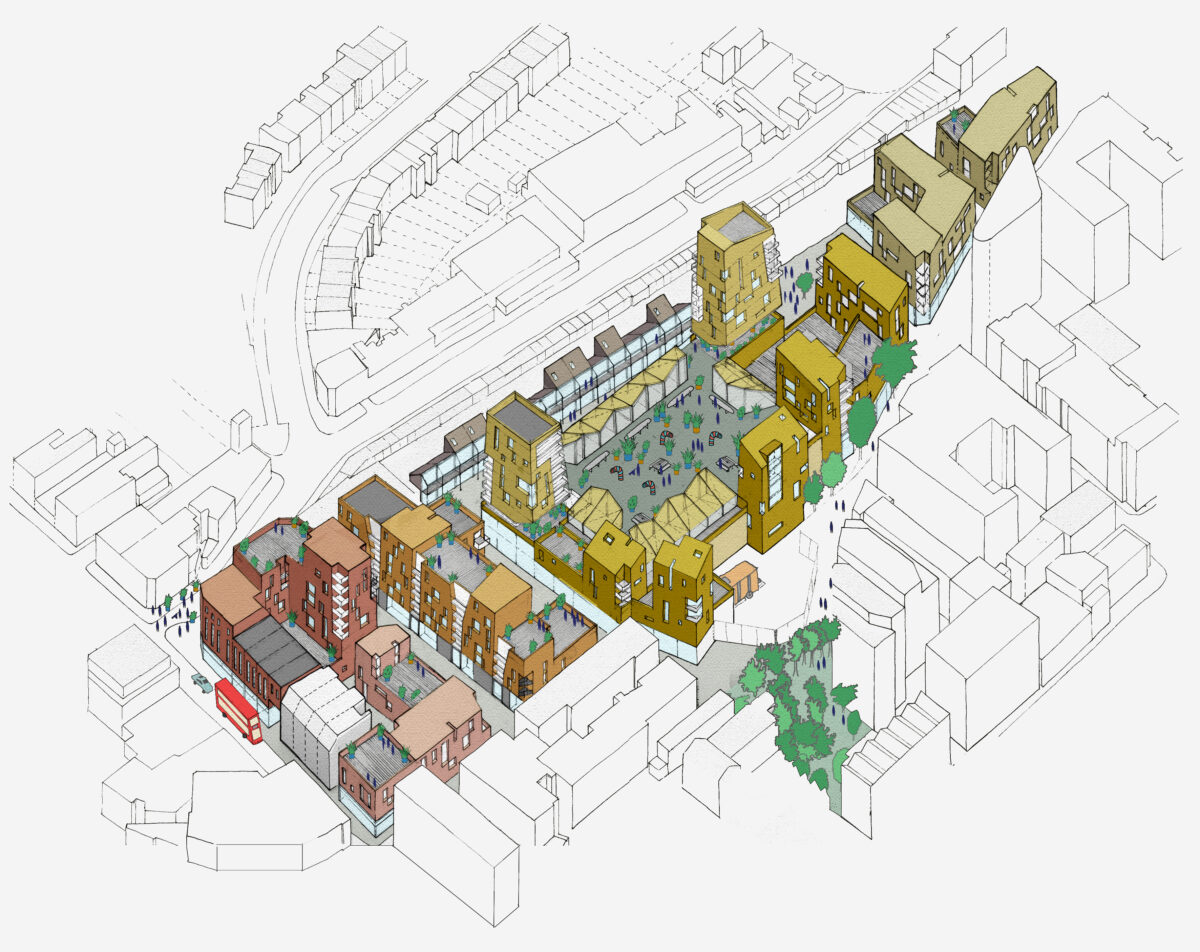
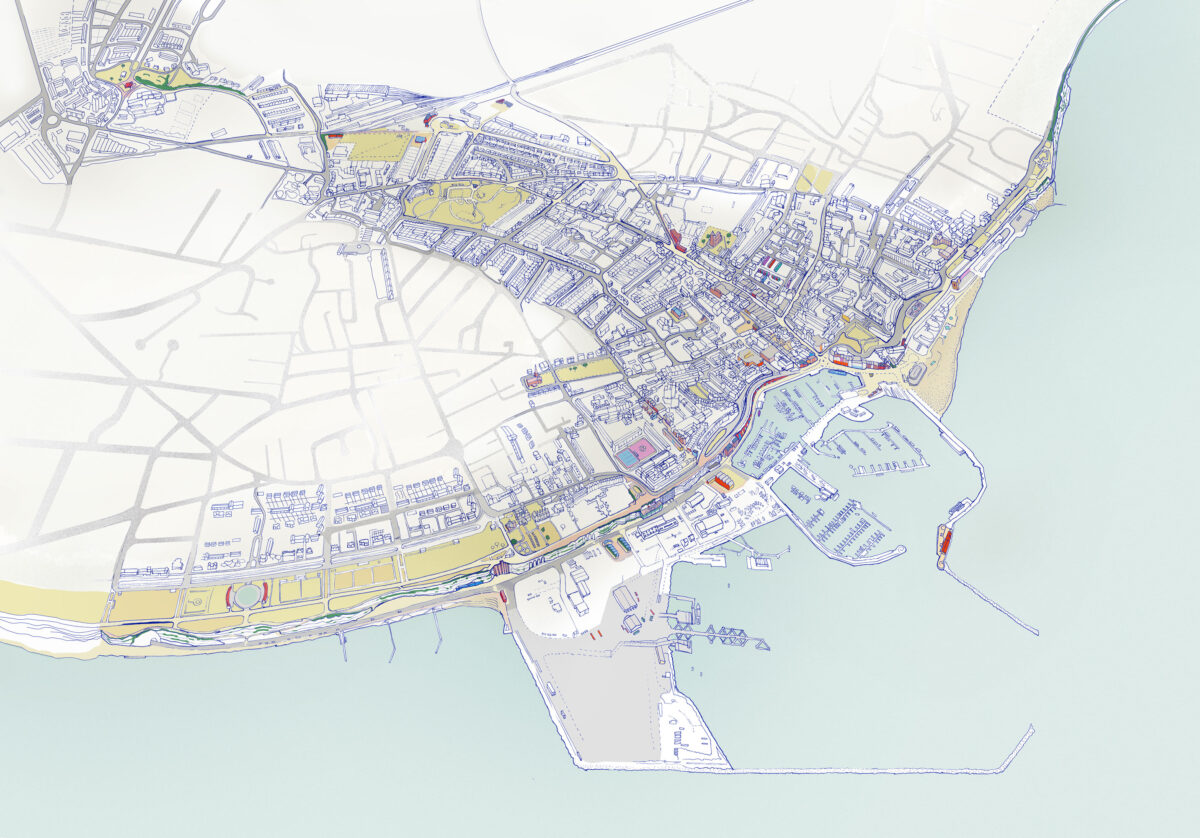
Just as the challenges facing UK high streets are complex, multiple levels of response are required. Working with Merton Council and their planning policy team, we walked through each of the borough’s town centres to survey their condition and architectural character. We unearthed historic photography and explored best practice examples from further afield, to establish clear, rational design principles for each of the most prevalent high street building typologies in the borough within the framework of existing planning policy.

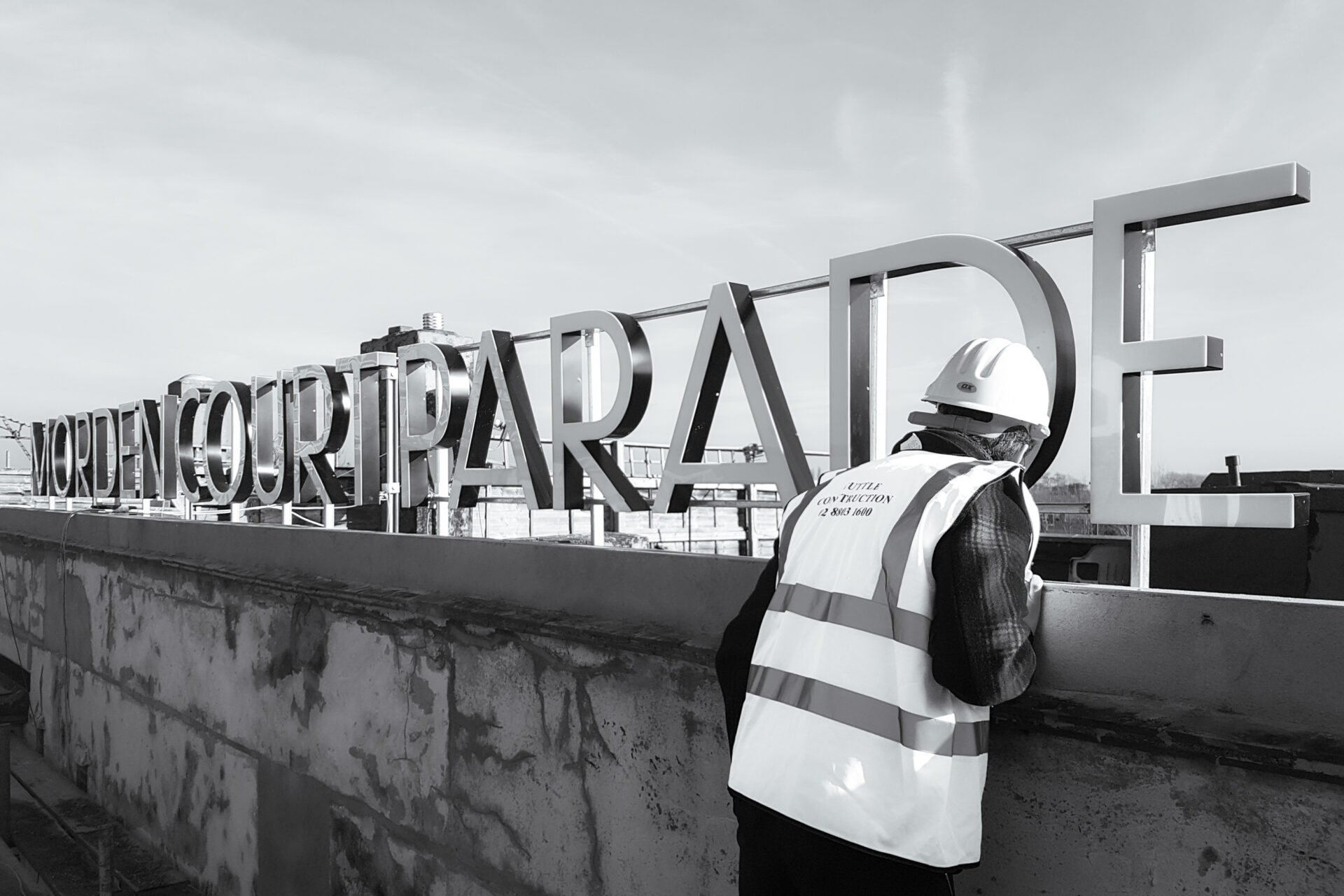
At the same time, we put these principles into action by refurbishing an entire Art Deco parade at Morden Court Parade, demonstrating the potential of these historic properties to contribute to a modern, economically resilient high street.

In parallel, a light-touch fit out to a vacant bank supported a temporary café and pop-up cultural venue, ‘Crown House Creative,’ starting important conversations around diversifying the role of the high street beyond retail.
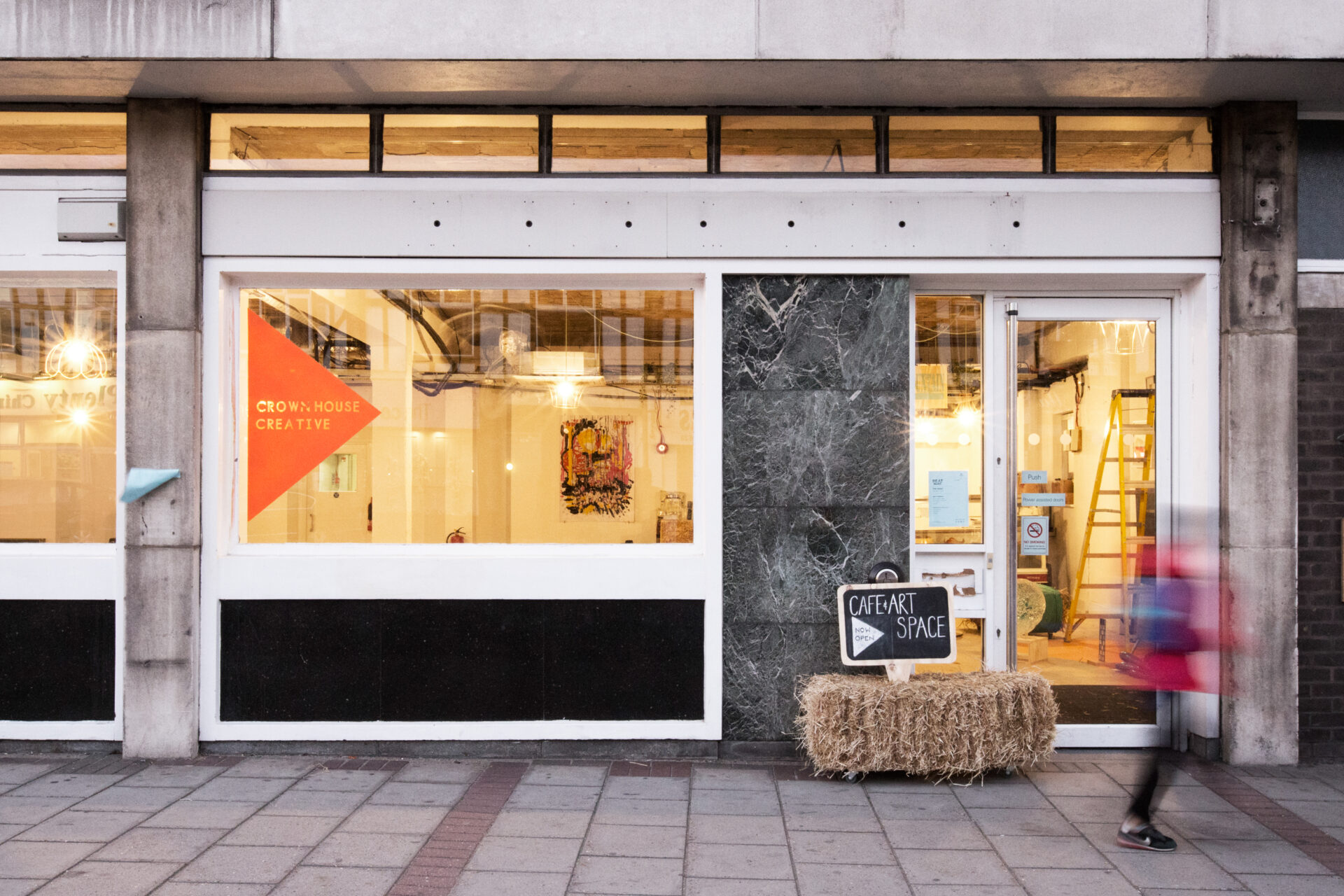
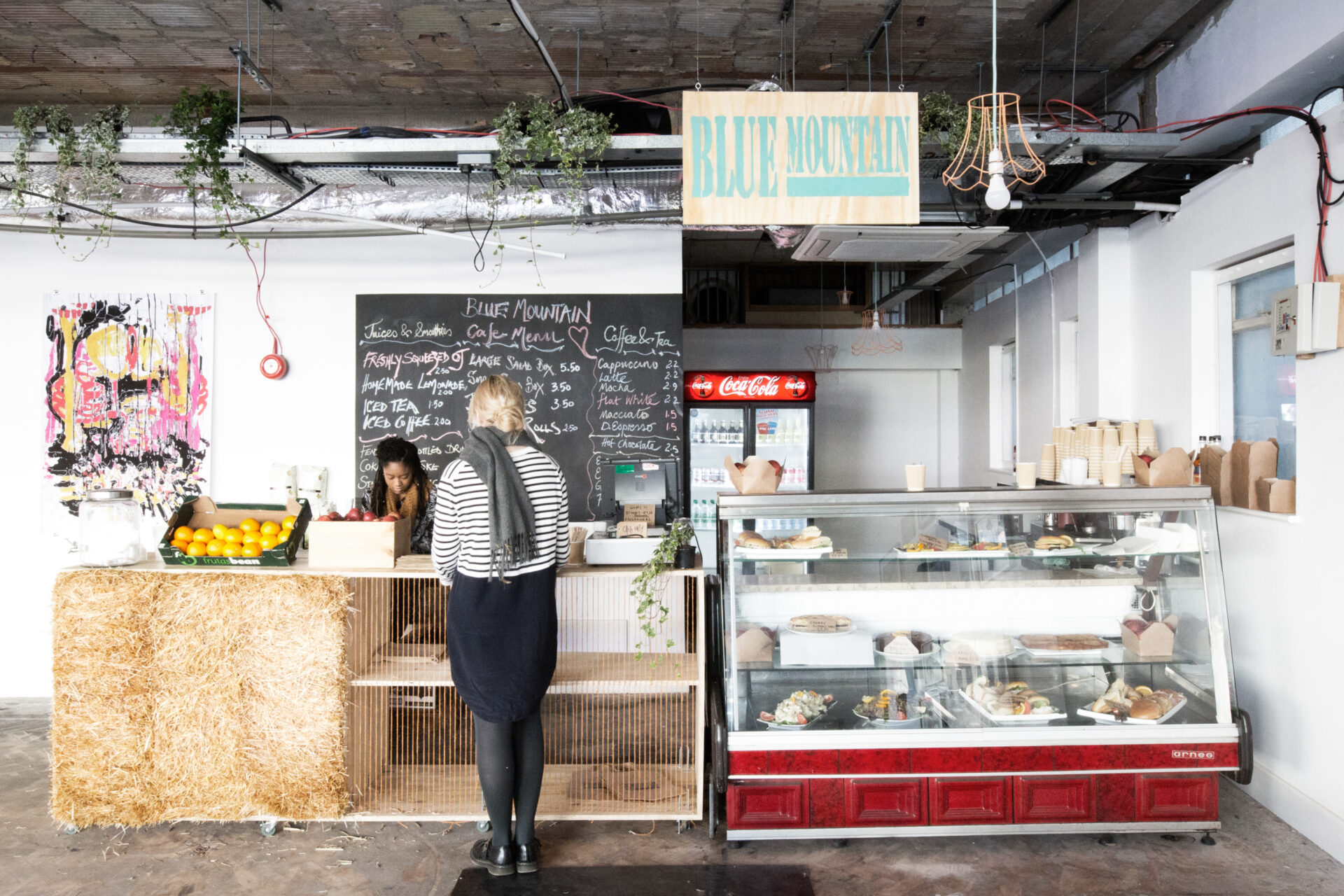
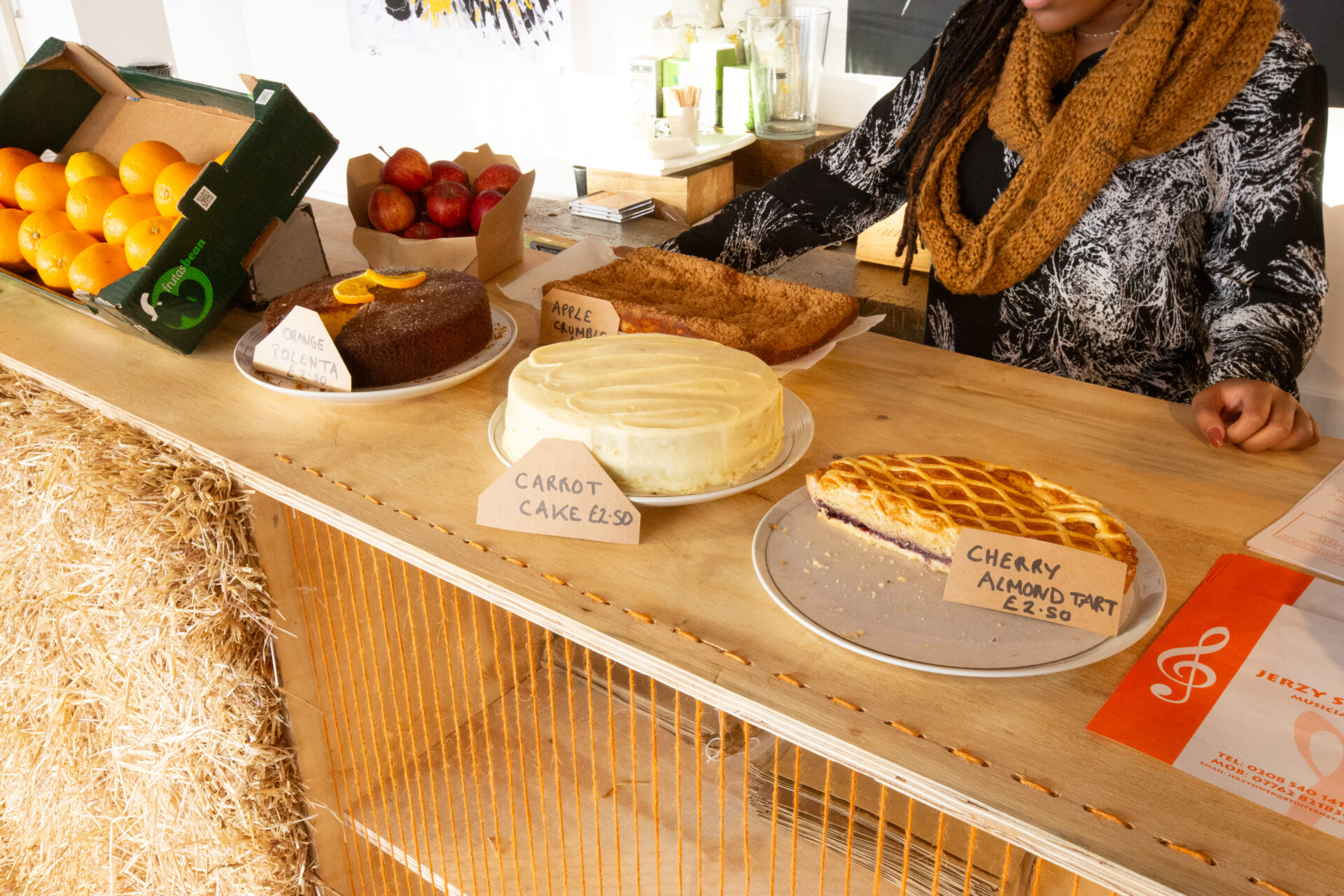


Ultimately, planning policy for shop fronts must balance the changing needs of individual businesses against the need for a coherently attractive environment.
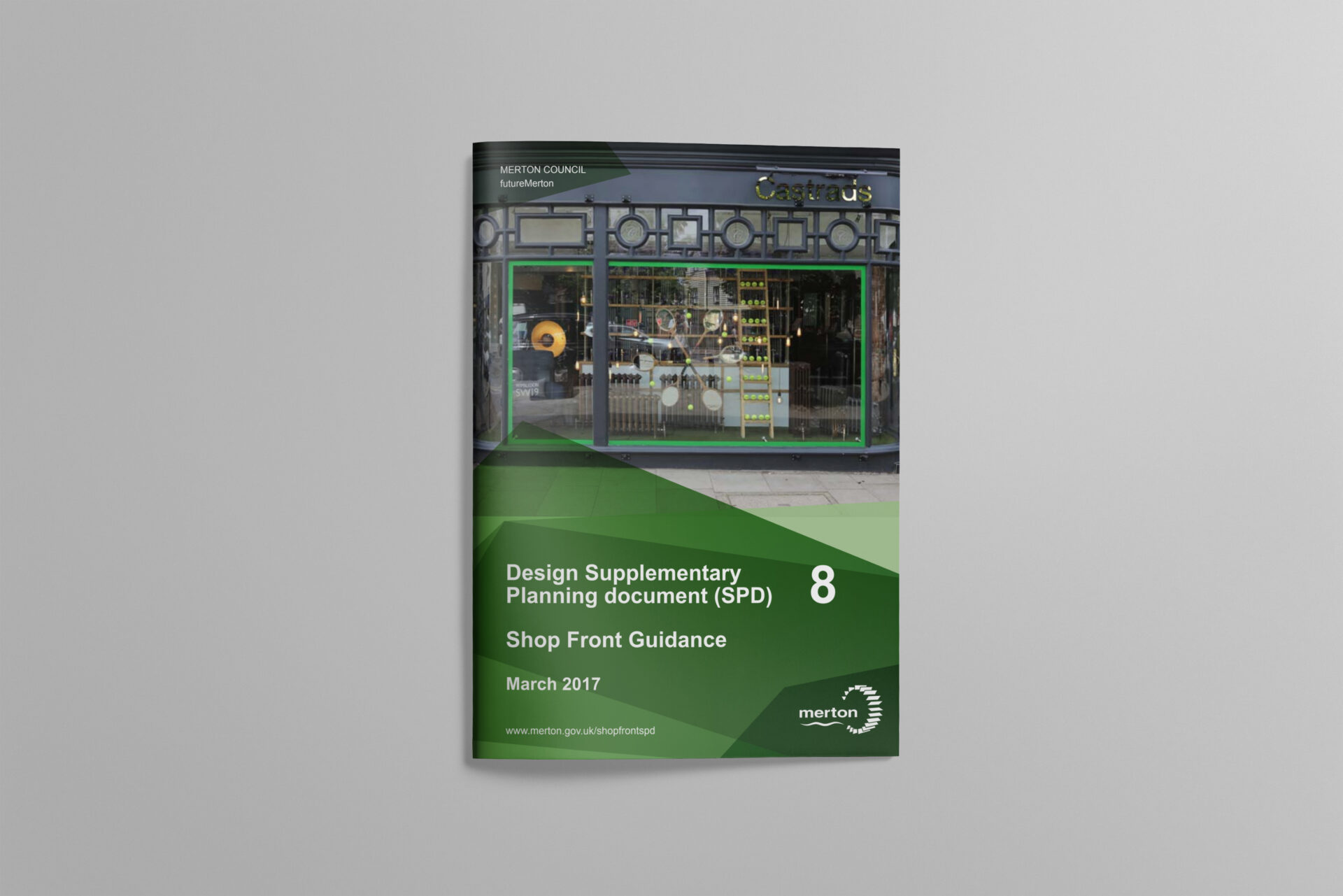
We found that one of the greatest obstacles to businesses making considered, appropriate improvements to their frontages is their reluctance to engage with the planning system in the first instance. We sought to address this by fundamentally shifting the emphasis of the document. Our SPG is designed as an engaging, helpful and informative handbook that encourages businesses to make responsible, long-term decisions to their building frontages.
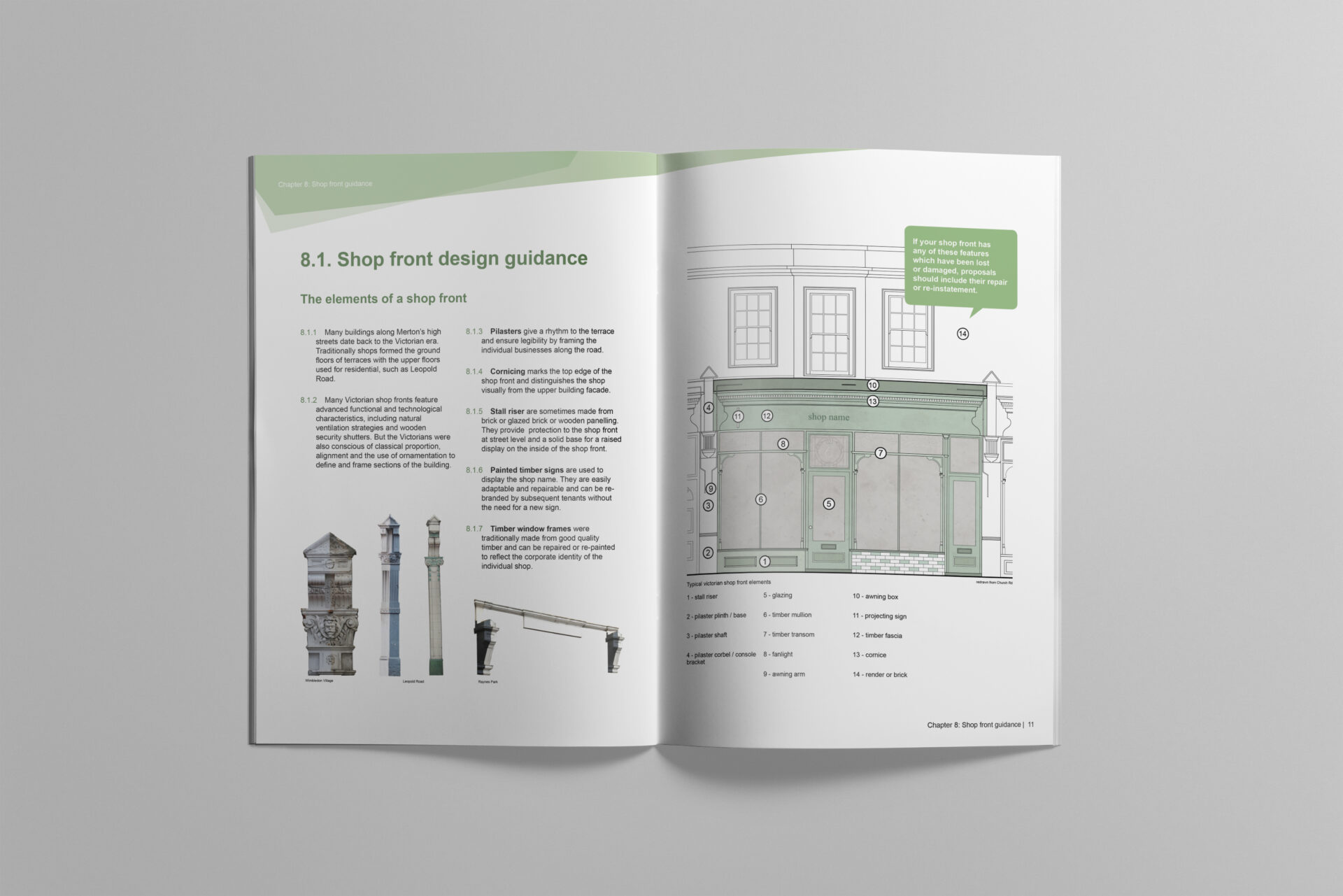

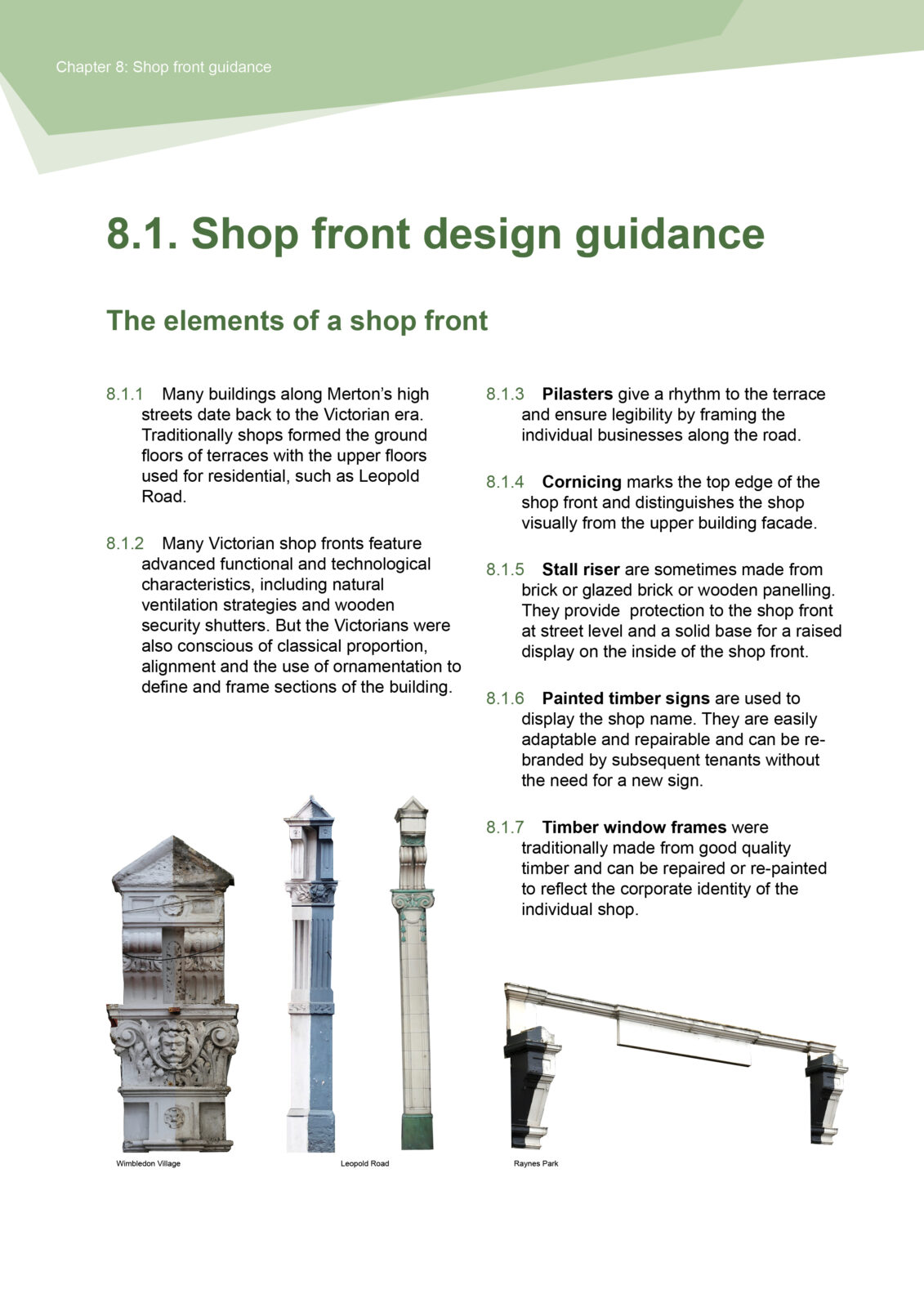
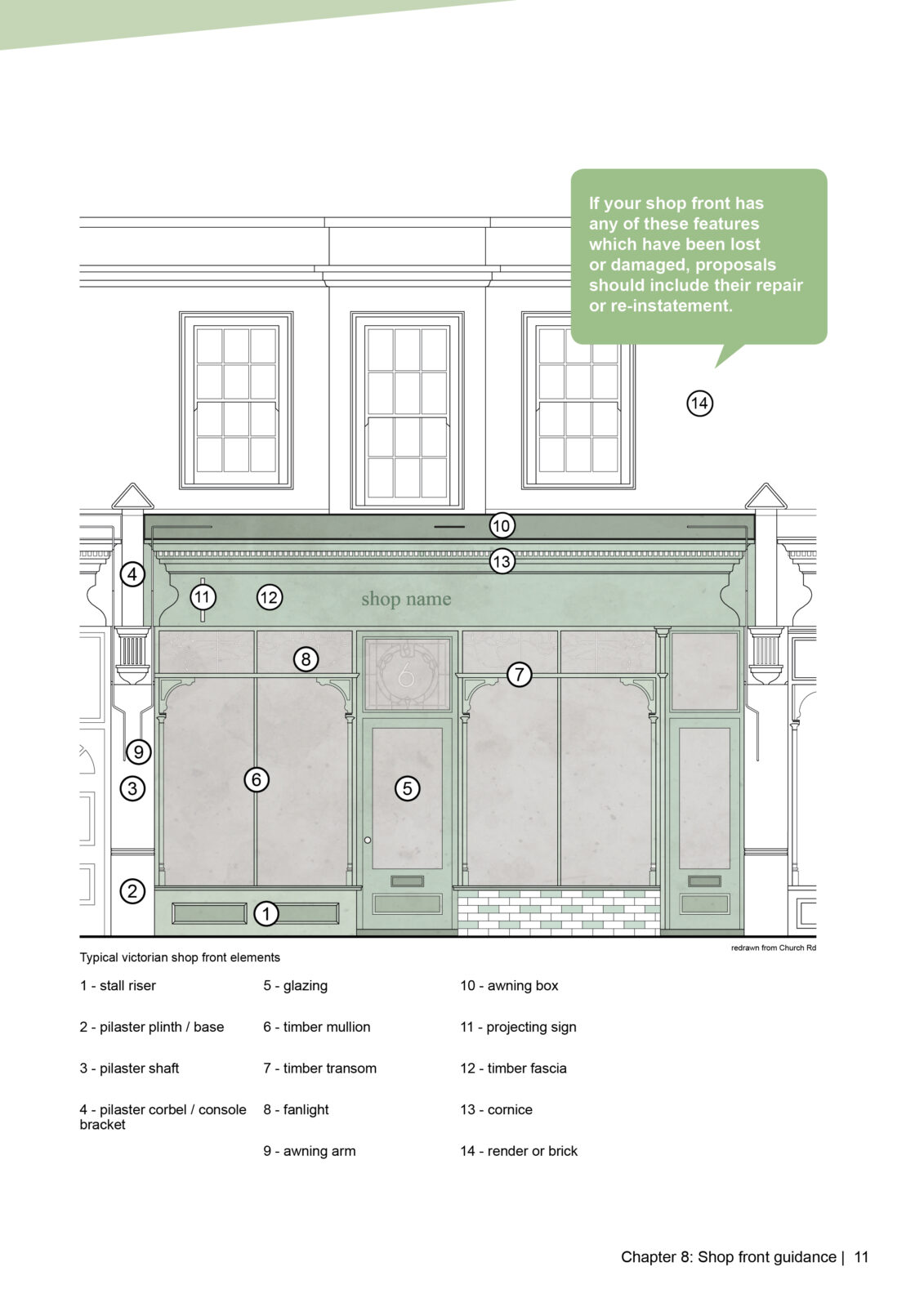
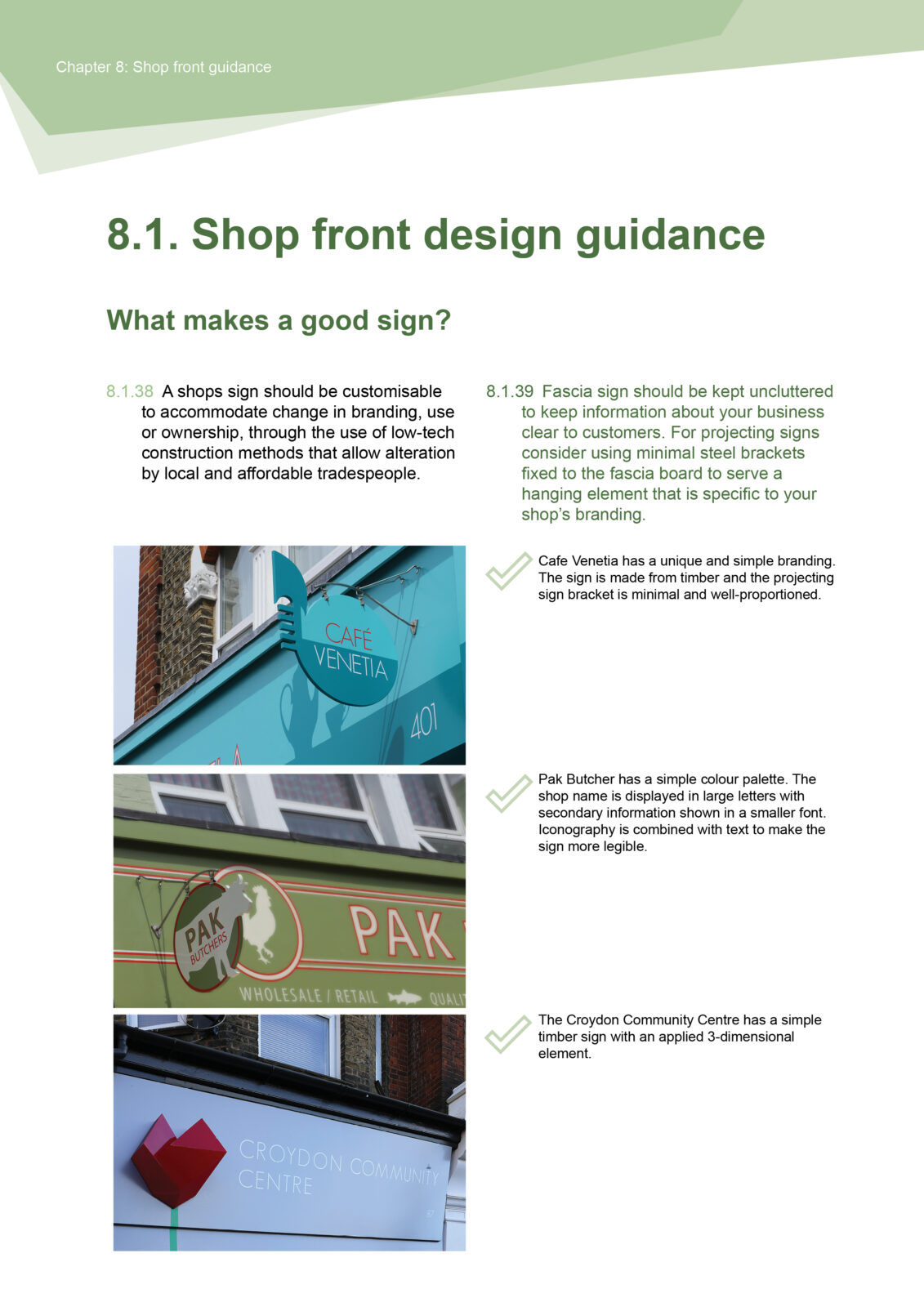
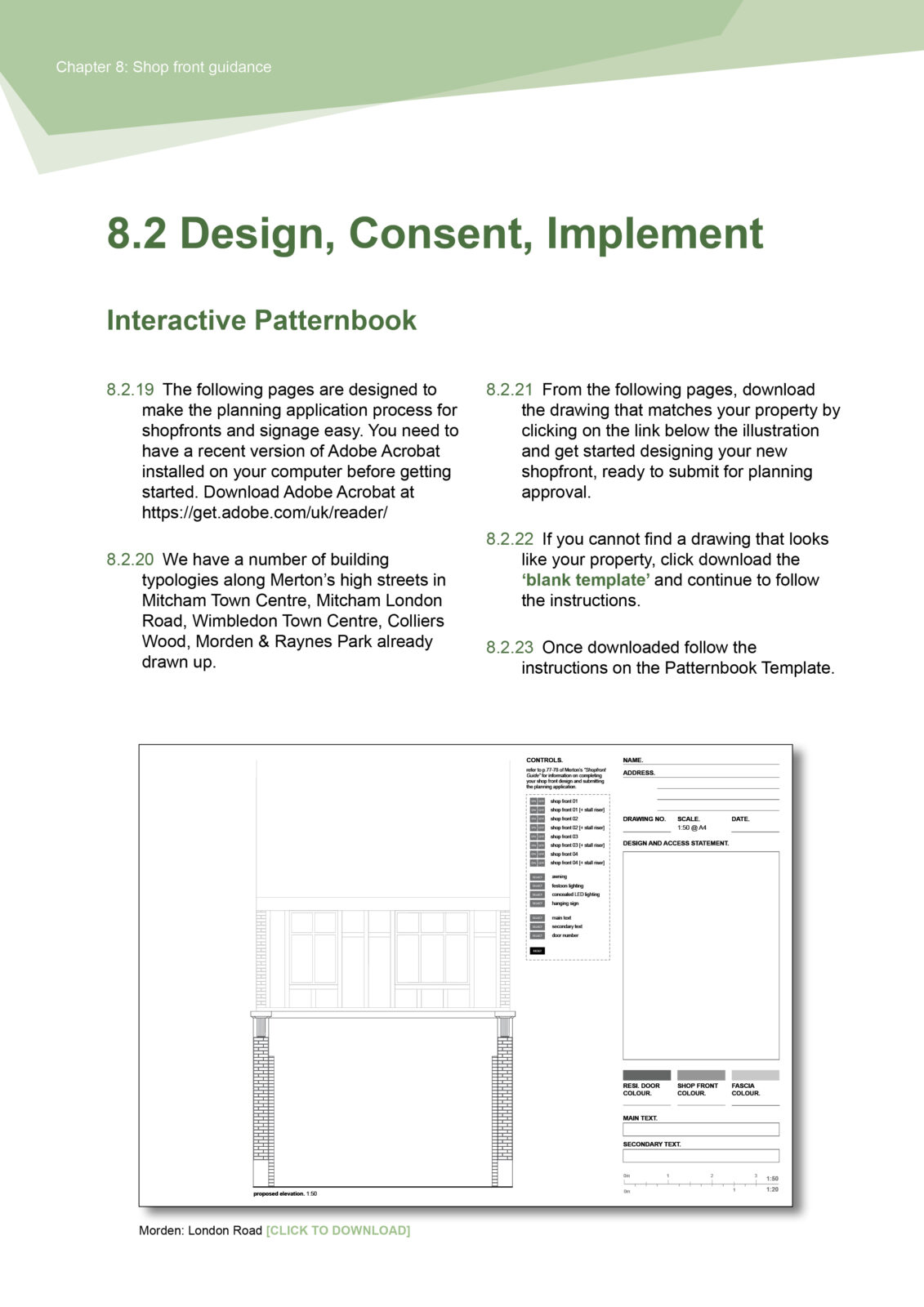
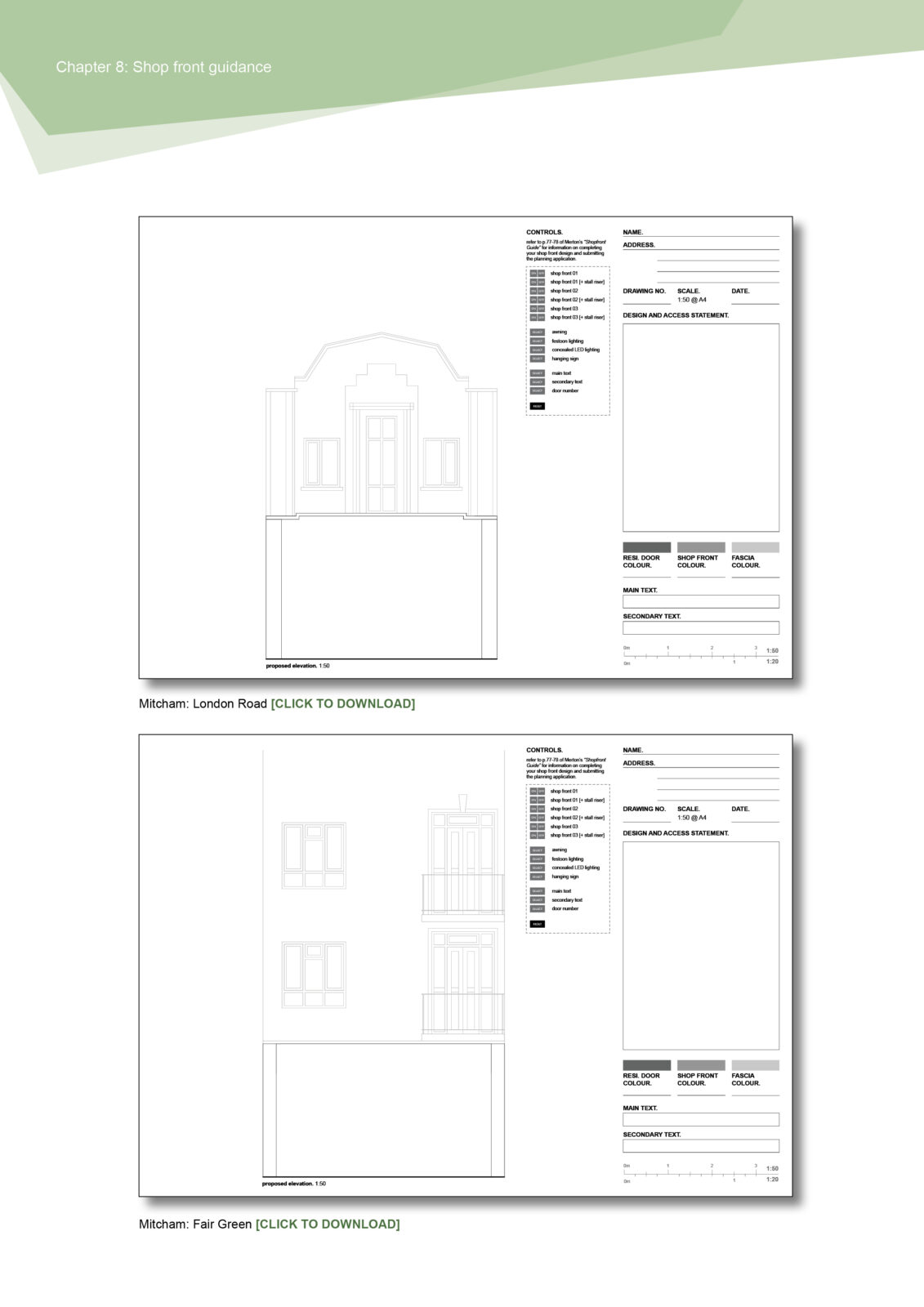


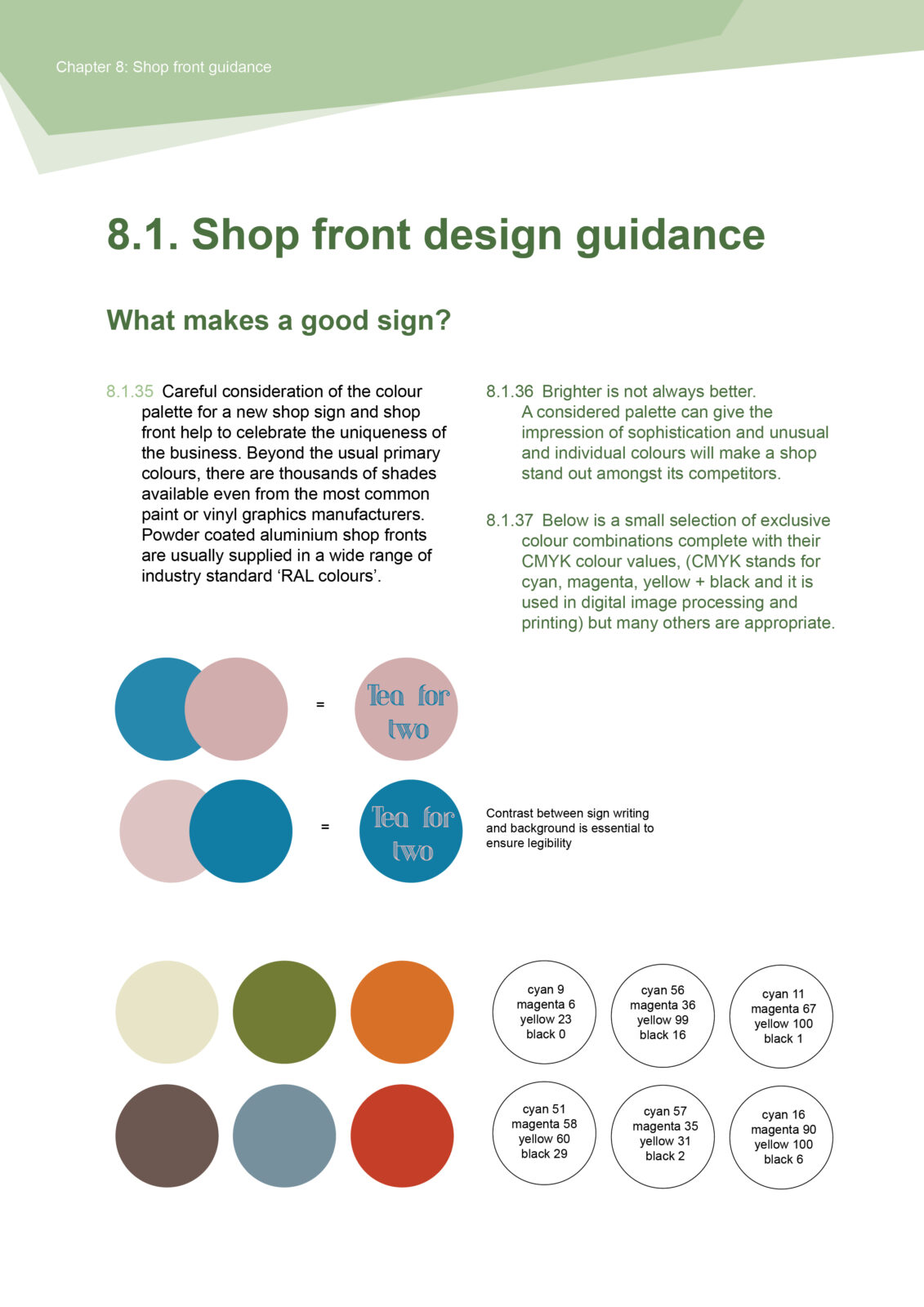
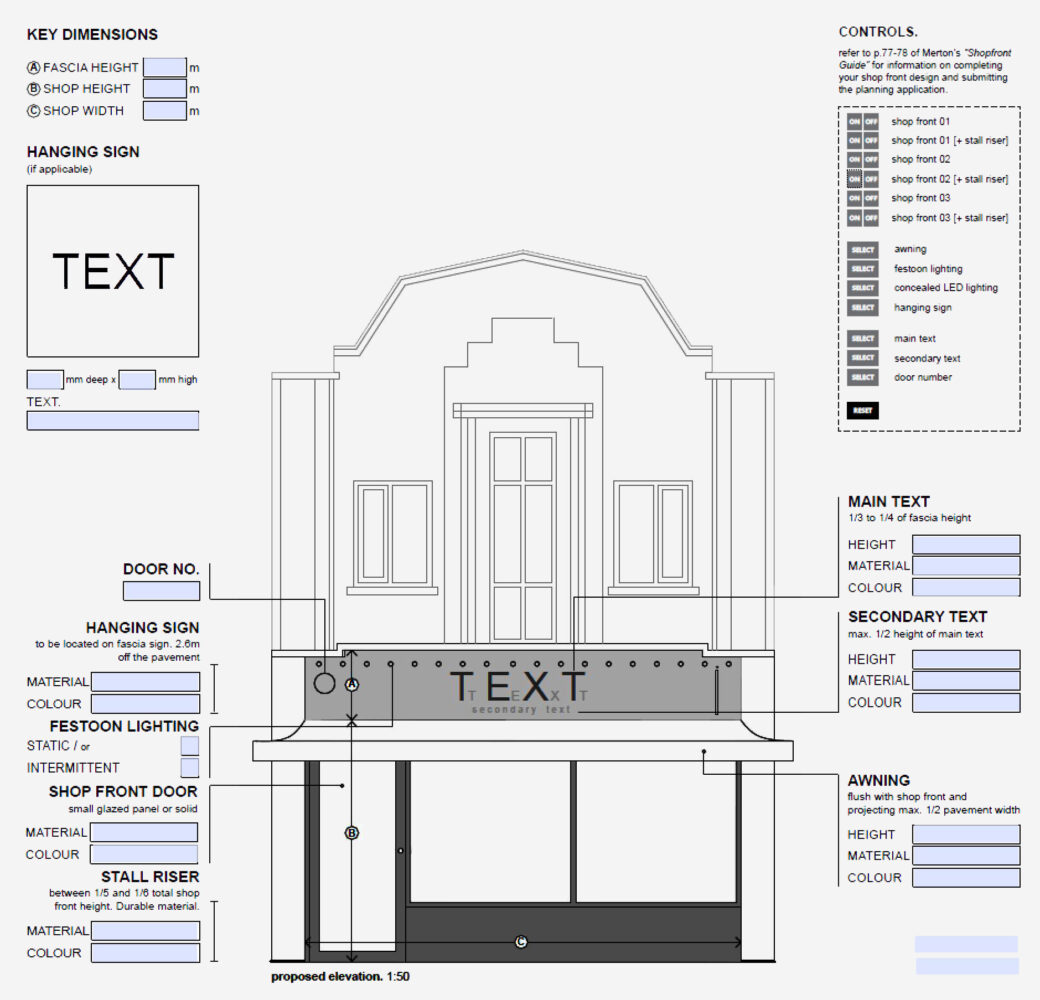
In order to help individual property owners to make and enact the right decisions, we developed a set of interactive planning template drawings for each of the borough’s high street typologies. These can be easily customised within a web browser, enabling business owners to arrive at compliant shop front designs and submit planning applications without the need for an architect or professional designer. The drawings are coupled with detailed guidance for maintenance and repair, ensuring that businesses are able to make the most of their investment.
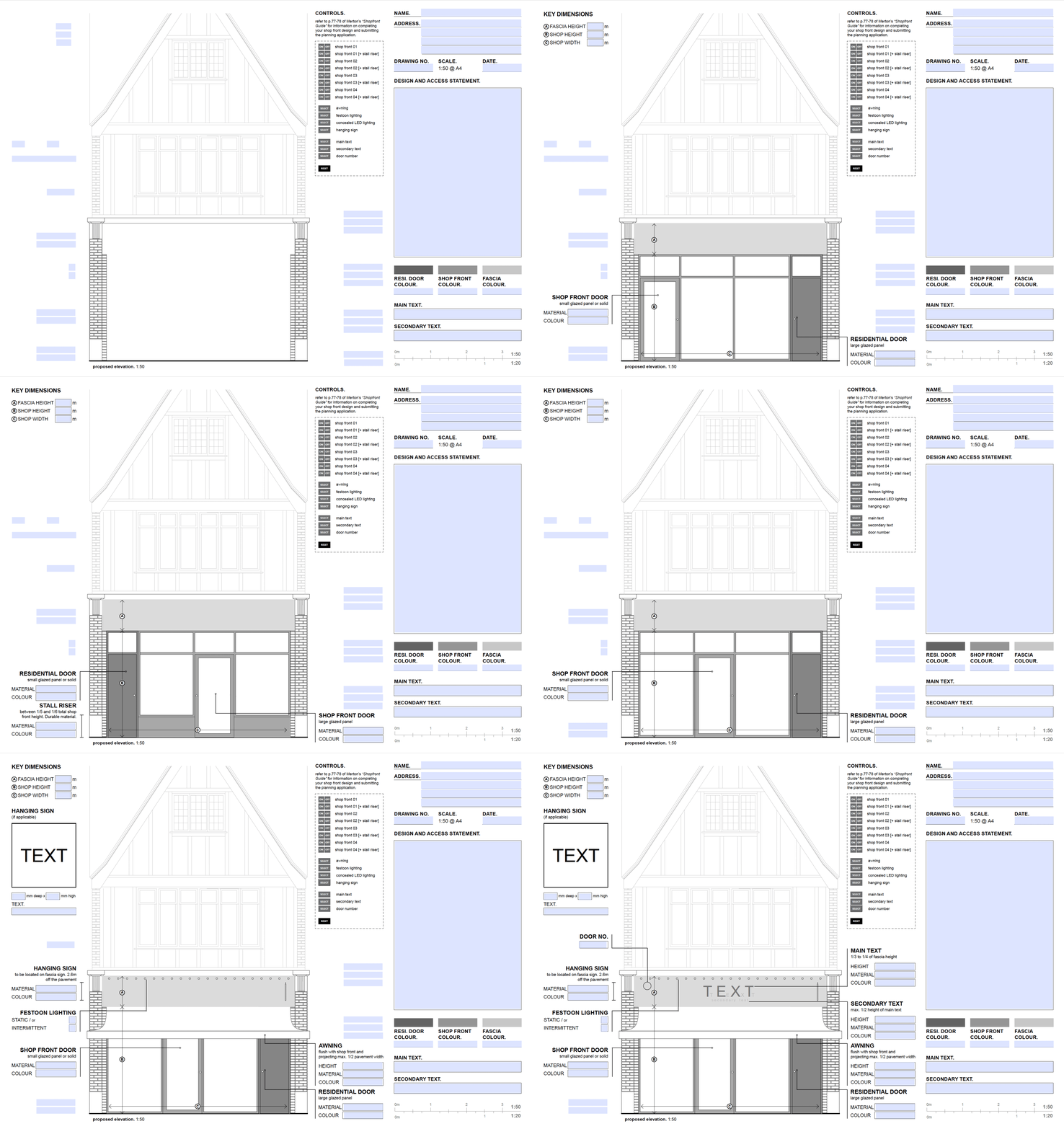
Working closely with Merton Council’s policy team allowed us to demystify the planning process and publish our guidance and templates as a pragmatic, user-friendly Supplementary Planning Document, which was formally adopted in 2017. The guide allows Merton to go beyond articulating the standards they require by providing practical tools for how to get there.
Meanwhile, as well as giving a clear demonstration of best practice for planning officers to point to, the refurbishment works to Morden Court Parade have breathed new life into the local high street. After testing a range of new ideas for high street activation during its two-year lifespan, Crown House Creative hosted a shared workspace, a radio station and restaurant.